









March 5 2026 - 1:00pm
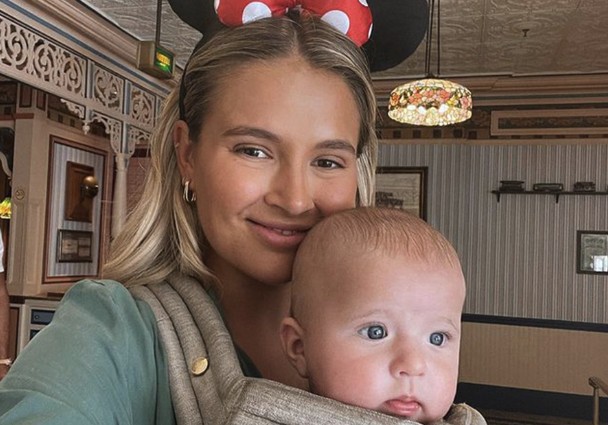
Molly-Mae Hague — the businesswoman, influencer and Love Island star — is considering homeschooling her daughter. The rationale behind this dilemma, Molly-Mae says, is that she and partner Tommy Fury are “protective” of three-year-old Bambi and worry she will “lose” her “spark and brightness”.
Hague is far from the only celebrity to express concerns about “normal” schooling. Actress Emma Thompson homeschooled her daughter in order to avoid “sausage factory education”. Loose Women star Nadia Sawalha deregistered her two daughters from their private school in 2013 because they were “overworked”. Meanwhile, TV host Stacey Solomon decided to homeschool her eldest sons after saying they were “losing some of [her] favorite bits of their personalities”. Love Island star Olivia Bowen also announced this week that she is considering homeschooling her son so they can find a “different lifestyle” abroad.
Historically, homeschooling has been viewed as an eccentric choice, an option only really considered by hippies, religious fanatics, conspiracy theorists or antisocial geniuses. Now — much like breastfeeding, home births and cooking from scratch — it has become a new status symbol for celebrities and content creators. “Momfluencers” see it as a positive lifestyle choice which provides freedom and relief from the stress of overly strict school routines. Meanwhile, tradwives endorse homeschooling as another reminder of their commitment to their families and homes in the face of an increasingly hostile and atomized modern world. A report from January found that the number of British children educated at home increased by 15% in only a year.
The unspoken truth is that, for family-focused influencers, homeschooling also makes good business sense. These momfluencers are really “mompreneurs”, and they need their children — their supporting cast — around most of the time so that they have content to create. There are obvious ethical issues in influencers using their children as props in order to monetize their performative motherhood, but we should also call this what it really is: a multi-level marketing scheme.
“Sharenting”, where parents fastidiously compile a public digital record of their kids’ childhoods, is not about community but instead what you can sell. That may be a lifestyle (“look at my children doing Montessori learning on a beach in Thailand!”) or a product (curriculum packages, online classes, webinars on how “you can live the dream too”). Homeschooling is a goldmine in terms of sponsorships and paid partnerships: the mothers involved can advertise phonics cards, reading games, visual math toys, wall hangings, schedule managers, educational crafts, art supplies, work packets, learning apps and aesthetic stationery.
However, there is little substance beneath the style. Hannah Neeleman, tradwife of Ballerina Farm fame (10 million Instagram followers), has claimed she homeschools her children because she was homeschooled herself. “I certainly never learned calculus or wrote a research paper,” she said in 2019, but this doesn’t matter because “I’m spontaneous with a yellow personality that leans on my artistic trainings and other life experiences.”
This breezy flippancy exemplifies how so many parents underestimate what home education actually means, and the commitment — either financial or academic — to make it really work. Homeschooling is becoming an increasingly lucrative industry but the narratives surrounding it are dishonest, or at the very least incomplete. Millennial mothers — who on average spend 17 hours a week on social media, and are increasingly disillusioned with state education — are an easy target.
Yet what influencers fail to mention is that successful homeschooling doesn’t reflect the picture-perfect Instagram image. It means either expensive private tutoring — maybe Molly-Mae will be teaching Bambi about graphemes, homophones and fronted adverbials herself, but I doubt it — or giving up a career in order to dedicate the time needed to give one’s child a decent social and academic education.
Most ordinary families do not have the flexibility, facility or financial security to do a decent job. Yet they can be persuaded otherwise by this glamorized, rose-tinted portrayal which transforms homeschooling into both a badge of prestige but also, somehow, an “easy” way out.
