









17 May 2026 - 5:00pm
What has a jail, a tattoo parlour and a dialysis clinic, yet never stays in one place? The answer, of course, is a cruise ship.
The floating cities that cruises offer are a marvel of modern engineering. Go-kart tracks, laser-tag arenas, shopping malls, casinos, chapels, hospitals and morgues can all be found aboard, offering adventure while stripping away almost everything adventurous about travel. They are an ocean full of boredom-management possibilities.
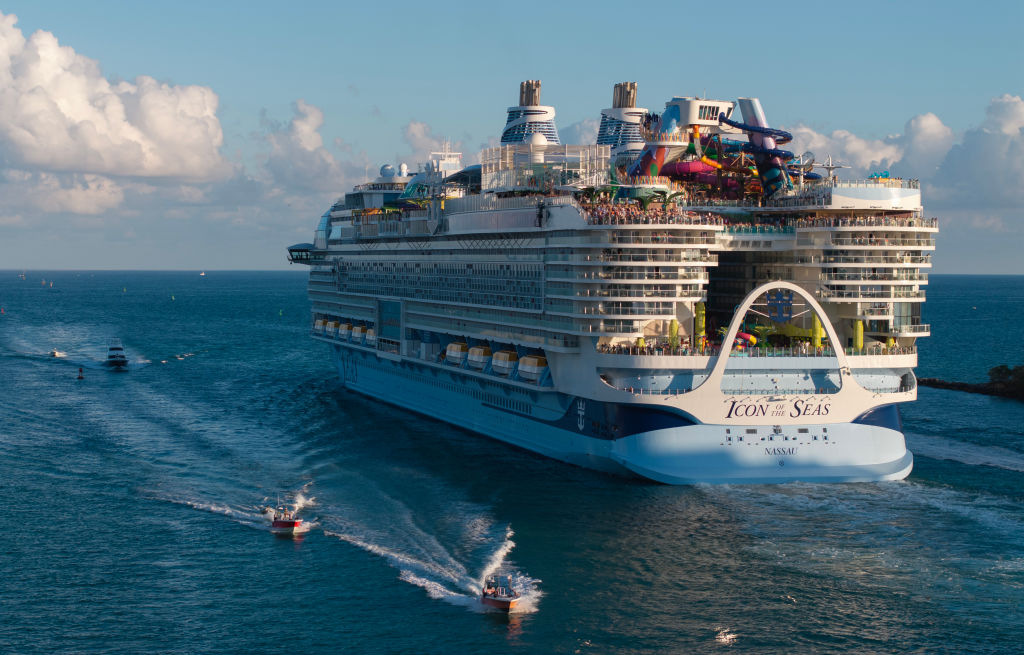
The largest cruise ship in the world, Icon of the Seas, holds around 10,000 people including passengers and crew. It might look like a charmless white-painted council estate with a rollercoaster bolted on top, but evidently there is demand for it. For how long, though?
Following the recent hantavirus and norovirus outbreaks on cruise vessels, and the inevitable comparisons to the coronavirus-stricken Diamond Princess in 2020, people are again asking whether cruise ships are really just floating petri dishes. Measles on the Med sounds like a wisely abandoned Agatha Christie first draft, yet it is a documented phenomenon. What is most surprising is that anyone is shocked by this.
Normally, norovirus outbreaks on cruises are so common they barely count as news. One Australian study found that around 5% of cruise ships docking in Sydney reported gastroenteritis outbreaks, rising as high as 9% in some years. The American CDC has linked Legionnaires’ disease to private balcony hot tubs, which turned out to be less hygienic than the communal ones.
Naturally, everyone blames the buffet. Thousands of newly embarked passengers stampede towards tepid fried chicken with their hands in varying states of cleanliness, all sharing the same serving tongs. That’s why Costa Cruises abandoned self-service on some ships and switched to staff distribution. One reviewer described it as “the worst buffet” they had ever seen because of the queues, while simultaneously acknowledging the obvious public-health benefits. This is simply what happens when thousands of strangers are crammed into a sealed environment. It’s like freshers’ flu, except recreated every week.
Understandably, in an age of convenience, cruises are booming, particularly among younger travellers. The average age is steadily falling, with under-60s now making up 44% of passengers. One explanation often cited is sheer planning fatigue: endless browser tabs, WhatsApp negotiations, and “where should we meet on Friday?” conversations. Cruises remove all that. You do not need to think. The food is just there, as are the locations.
Other cruises cater to more specialised tastes. There are swingers’ cruises and gay cruises where conference centres are transformed into giant “playrooms” filled with mattresses, and cabin sheets are changed up to three times a day. Amusingly, cruise staff reportedly “look forward” to these sex cruises, explaining that gay men are “better behaved than children and their (often drunk and entitled) parents” and tip better. Unsurprisingly, there have been monkeypox clusters linked to cruises marketed towards gay men.
This points to the truth about modern cruising. We still inherit the mythology of maritime upstairs-downstairs romance from the Titanic or the elegant tension of murder mysteries. But modern cruises no longer possess that sense of occasion. Places like Venice or Dubrovnik become brief backdrops for Instagram photos, temporarily overrun by passengers swarming identical perfume shops, jewellery stores, and tourist tat. Passengers run up the Rock of Gibraltar to pat a monkey or look in a Second World War-era cave — about the only things to do there — before rushing back onboard because the buffet opens at six.
The modern cruise ship is the logical endpoint of tourism: movement without journey, convenience without sophistication, travel without depth. That these ships are floating petri dishes is not a flaw in the system. It is the system.