









22 September 2026 - 4:15pm
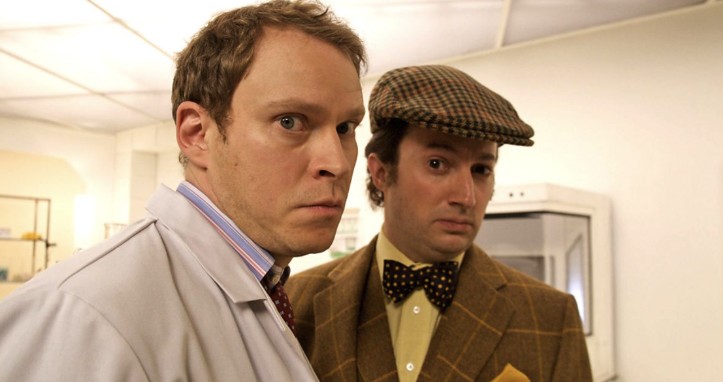
The BBC is once again under fire for quietly filleting some of its best-loved comedy creations. This week, it was revealed that the corporation had removed nearly a dozen sketches from That Mitchell and Webb Look, which no longer “work today” or, in other words, aren’t politically correct. The removed sketches include those featuring blackface and others satirising racism.
“This is a 20-year-old sketch show,” said a BBC spokeswoman, as if speaking of artefacts from an earlier civilisation. “In consultation with the programme makers, we have included the ones that still work today and not the ones that don’t.”
You might very reasonably argue that this is for the viewers to decide, and not a select group of cultural arbiters, even if that does include the “programme makers”. After all, how many sketch shows do not contain a few that “don’t work”? It pretty much comes with the territory. And at least iPlayer has a fast-forward option. But what the BBC executives mean is that these sketches are likely to provoke hair-trigger activist groups into making life hard for them. The vast majority of viewers who just want a laugh can be safely ignored.
Jimmy Mulville, co-founder of the production company behind Have I Got News for You, sympathised with the BBC’s predicament, but warned that this could be the “thin end of the wedge”. Well, I’m sorry, Jimmy, but I’ve got news for you. We passed that part of the wedge years ago, when the BBC started editing out racial slurs from the Platonic ideal of the sitcom, Fawlty Towers. These were slurs, remember, uttered by an elderly buffoon at whom we were invited to laugh for his antiquated views.
We were still arguably at the thin end when companies started putting up “content alerts” before shows and movies they decided contained “outdated attitudes”. The wedge thickened when Little Britain was hacked, disfigured and restructured almost as badly as its real-life “Great” counterpart. And this latest outrage confirms that the thin end is a golden memory and we are well into the thick of it. Which, now I come to think of it, will no doubt be next.
One might dwell on the irony that this is happening to David Mitchell and Robert Webb, who were regarded at the time as socially aware and approved by the New Labour dinner-party set. The pair have been lauded by critics as an example of how sketch comedy could still be properly funny while clearly espousing modern, enlightened views.
Men (one or the other of the two leads) were invariably the butt of the joke, while the women (often played by Olivia Coleman) were shown as being more competent, emotionally intelligent and long-suffering. Minority groups were never treated as inherently “funny”. Instead, that attitude was itself lampooned, as in many of the sketches which have now been memory-holed.
What this saga points to more than anything is exhaustion. If comedy were in rude health — and surely being rude is part of that — it would be different. But it isn’t. Earlier this month, several top comedians warned Andy Burnham that “comedy is in crisis” after three long-running shows — Underbelly Boulevard Soho, Live at the Apollo and Leicester Comedy Festival — all collapsed in a single week. In short, comedy shows now need handouts — the sort of thing comedians once rightly prided themselves on being in no need of, compared to virtually every other form of performance art. Why? Because people wanted to watch it. They didn’t need to be told it was good for them.
This brittle, sanctimonious declaration of where the new Overton window of laughter now sits is part of the same problem, strangling new ideas and projects in their infancy. It is already driving new content creators into alternative, less “policed” spheres such as TikTok or YouTube. It needs to stop, or it will take the BBC down with it.
