









23 April 2026 - 4:00pm
The latest symptom of elite moral confusion arrived this week via a New York Times Opinion podcast episode titled “The Rich Don’t Play by the Rules. So Why Should I?” Its own published blurb asked, “When does shoplifting become an act of political protest?” and introduced the term “microlooting” to describe stealing small things from large corporations.
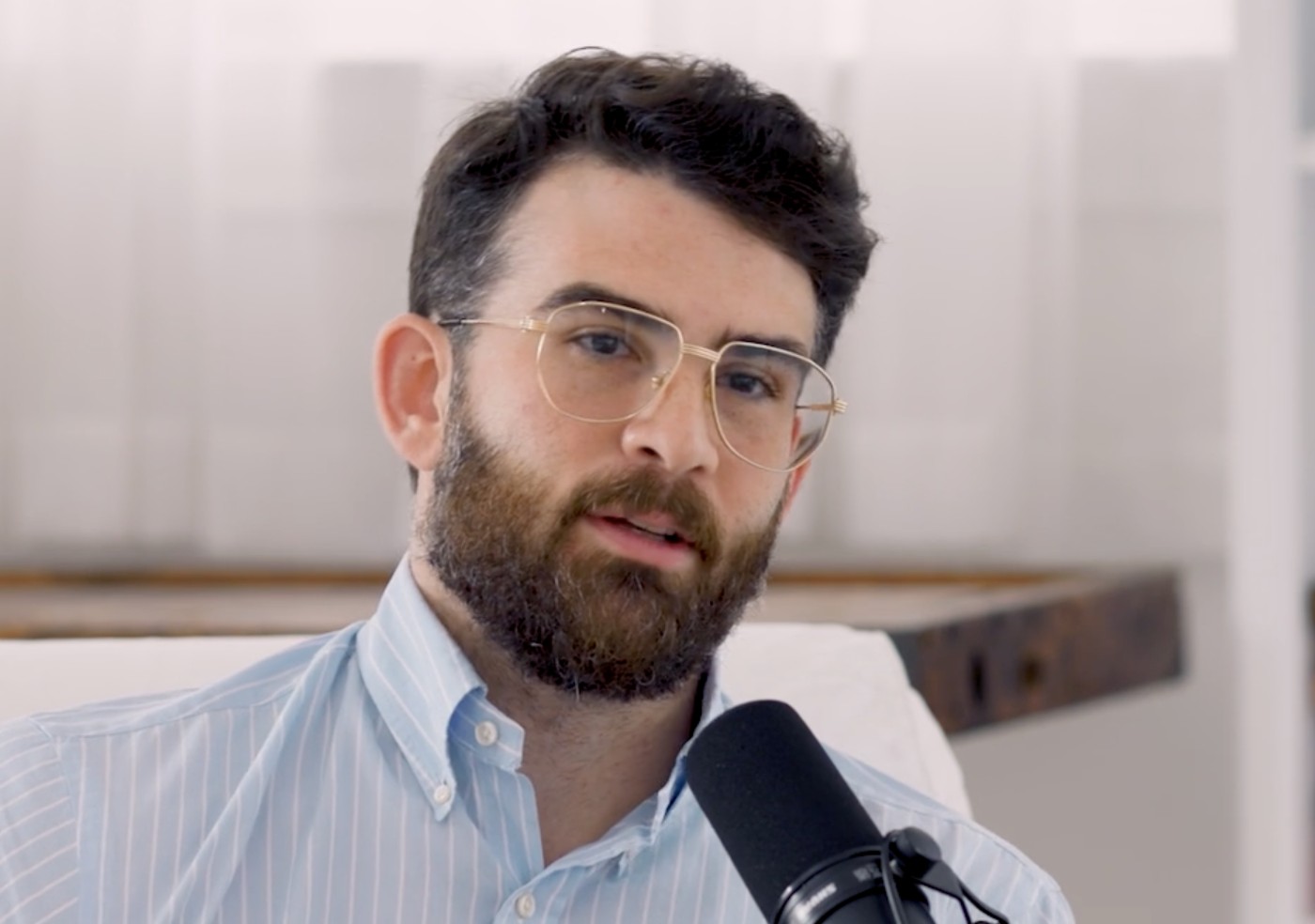
The guests were writer Jia Tolentino and streamer Hasan Piker. During the discussion, Tolentino described having stolen from Whole Foods “on several occasions”, while Piker defended at least some theft from corporations as morally tolerable.
While the discussion came across as civil, it’s an extremely dangerous method of thinking. To reframe petty theft as protest is to promote lawlessness as an act of conscience, while corroding public trust.
The moral confusion in the discussion is profound. What the guests on the show failed to recognise is that genuine civil disobedience is public, disciplined, accountable. It seeks to expose an unjust law by breaking it openly and accepting the penalty. Think of lunch-counter sit-ins, which provide a high degree of self-sacrifice. In contrast, anonymous retail theft does not dramatise injustice but asks for the glamour of rebellion without the burden of responsibility.
What’s worse is that the people who romanticise it are so often insulated from its consequences. Affluent commentators can aestheticise disorder because they do not have to work the late shift in the pharmacy, nor explain to a frightened cashier why the deodorant is now behind plexiglass. They don’t have to live in the neighbourhood left with fewer stores, shorter hours, and higher prices.
The number of shoplifting incidents in 2023 was 93% higher than in 2019, with dollar losses up 90% and 91% of retailers reporting more aggressive and violent offenders. This is not merely an industry complaint. The FBI reported nearly four million shoplifting incidents between 2020 and 2024, and found that organised “flash mob” thefts were more likely than ordinary shoplifting to involve force or weapons.
This is what happens when civil disorder is normalised. Retail theft increasingly brings violence with it and imposes costs on employees, customers, and communities. And this logic can be seen elsewhere too. New York’s Metropolitan Transport Authority warned that every dollar lost to fare evasion threatens services and increases pressure for higher fares. A later Citizens Budget Commission analysis explains the burden is shifted onto riders, drivers, and taxpayers. That is the pattern with all supposedly victimless disorder: the costs are socialised downward.
A free society depends on moral grammar before it depends on police power: restraint, reciprocity, property, trust. When radical elites start teaching that theft is a form of politics, they do not strike a blow against power. They merely make ordinary order harder to defend without being denounced as oppression. And a society that can no longer distinguish protest from plunder will, in the end, struggle to defend either justice or order.