









8 July 2026 - 4:00pm
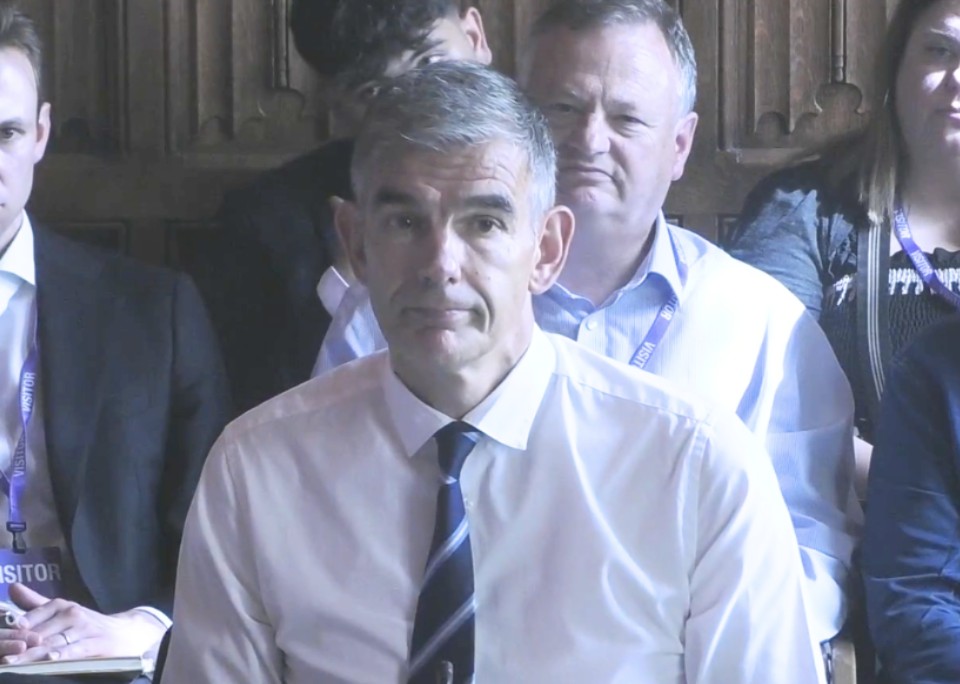
Director-General of the BBC Matt Brittin has claimed that the corporation could act as a “disinfectant” against misinformation on social media.
Speaking at a Culture, Media and Sport Committee hearing today, Brittin said that “in this polarising world, YouTube and other platforms have things which we would regard as disinformation.” He claimed that the BBC could act as a “disinfectant for misinformation” provided it “gets its journalism right”.
Brittin was called to give evidence before the committee as MPs examined the future of the BBC through the Royal Charter Review, which was set up in December last year. The Review aims to assess the current Royal Charter ahead of its expiry on 31 December 2027. As part of the process, the Culture, Media and Sport Committee is taking evidence from a range of witnesses, including Brittin, to inform the next Charter. Brittin’s evidence covered some areas including funding, editorial content and the broader media landscape.
In his evidence, Brittin went on to suggest that the BBC required more funding to tackle disinformation. He argued that it was “worth thinking about” whether the corporation should be given a new public purpose focused on countering false information, adding that it would require “a whole bunch of technical investment”.
Brittin’s comments come as the BBC grapples with a broader crisis of credibility. Last November, it emerged that two BBC clips of Donald Trump had been edited together in an episode of Panorama to give a misleading impression of what the US President said on 6 January 2021. The broadcaster later apologised to Trump, but the President subsequently accused the BBC of defamation and sought $10 billion in damages. Director-General Tim Davie resigned shortly afterwards.
The controversy compounded longer-term concerns about public trust in the British media. Data from Press Gazette shows confidence in the BBC — and in British broadcasters more broadly — has been declining in recent years, while the corporation has faced persistent accusations of political bias from both the Left and the Right.
After Davie’s resignation, Brittin was confirmed as the BBC’s new Director-General in March 2026. Speaking to the Financial Times in June, he suggested that criticism of the broadcaster is often fuelled by misinformation on social media, arguing that a “perception” about the BBC’s impartiality had “compounded over time”.
In 2024, an UnHerd investigation found that BBC Verify, the wing of the corporation tasked with combatting the growth of disinformation, had itself made numerous errors in its reporting. This included a range of subjects from the Israel-Palestine conflict to British political parties. Later in 2025, insiders told UnHerd that the productivity of BBC Verify was “low” and that it had become the subject of “a good deal of cynicism in the organisation”.
In his statement to today’s committee, Brittin said that countering disinformation was already in the “remit around impartiality and due impartiality”, which was “about being factually accurate, independent and representative”.