









23 July 2026 - 1:00pm
The mysterious death of Mango founder Isak Andic has given rise to an intriguing court case in Spain, where the testimony of the family’s therapist — and even that of the therapist’s translator — is under scrutiny.
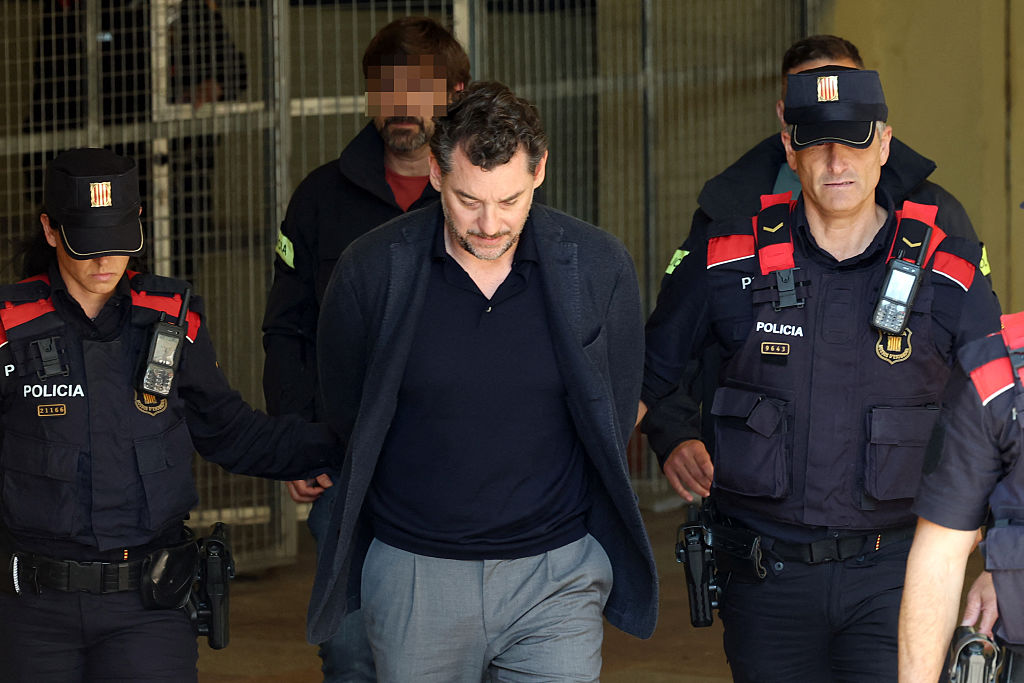
Andic, 71, was hiking with his son Jonathan, then aged 43, near Barcelona in late 2024 when he fell approximately 500 feet from a cliff. According to court reports, Jonathan Andic was encouraged by his therapist Maria Julia Luderwaldt, who is allegedly not registered with a recognised professional psychological body, to put himself in an “extreme situation” with his billionaire father in order to free himself from what she viewed as an unhealthy emotional dependence.
Luderwaldt allegedly encouraged Jonathan to confront his father during the hike, suggesting they place themselves “at the edge of a cliff” as a literal enactment of the Freudian concept of the “death of the father”. So far, so utterly insane. No serious therapist would, even for a moment, contemplate such an intervention. Indeed, as a psychotherapist, I have become increasingly uneasy about the direction my profession has taken. The allegations in this case are extraordinary, but they expose a much broader problem.
Confronting loved ones with difficult truths takes a great deal of patience and skill. More often than not, it ends in disappointment rather than resolution. Few among us confront someone with the accusation “You ruined my life” only for the listener to slap their forehead and say: “I had no idea. Please forgive me. How can I make it right?” This is why therapists should tread very carefully when a client proposes confronting a loved one. It seldom goes well and can lead to bitterness, disappointment and further family breakdown.
The same therapeutic mindset is evident in the dubious practice of encouraging clients to compose and send letters cataloguing grievances to family members in the hope of achieving catharsis. Writing a letter that is never sent can be a valuable psychological exercise. Sending it, however, often transforms a reflective exercise into a destructive intervention. Therapists should be exceptionally cautious before encouraging clients to act in ways that may permanently fracture family relationships.
In this case, the confrontation seems to have led to Isak Andic’s premature death. Whatever emerges from the investigation, the reported advice of this therapist is so outlandish that it reminds us just how far some therapy has drifted from ordinary common sense. Once largely reserved for people experiencing significant psychological distress, therapy is now commonly sought for the ordinary difficulties of life. A hallmark of an effective treatment is that, once introduced, the condition it is intended to treat becomes less common. Yet mental health diagnoses continue to soar.
Therapeutic language now permeates everyday life. Concepts such as trauma, boundaries, narcissism and healing have entered popular culture. They have genuine clinical value, but they are also complex. Reducing them to slogans like “put yourself first” illustrates the old adage that a little knowledge is a dangerous thing.
If the individual becomes paramount, and obligations to family and loved ones are increasingly treated as transactional, how is that good for society? Perhaps as a result of this ethos, family estrangement has become much more common. In the United States, more than one in four adults (27%) report being estranged from a family member — around 67 million people. According to new figures, one-third of parents with estranged children blame the impact of therapy.
This is a new phenomenon. Family estrangement has always existed, but until recently it was more often parents rejecting their children than children rejecting their parents. Families survived because people accepted that we are all flawed and that family life is messy. Forgiveness may not always be possible, but reconciliation is usually worth attempting.
All this matters because therapy is not harmless. A therapist is not simply someone to talk to; they occupy a position of enormous authority. When an individual attends therapy, they are often feeling extremely vulnerable, and the therapist’s interpretation can be transformative. That is precisely why therapists should be rigorously trained, properly accredited and deeply humble about the influence they wield.
The allegations emerging from the Andic case may prove exceptional. But they should also prompt a broader question: if we presume that therapy can provide significant help, we should also ask whether it can cause significant harm.
Stella O’Malley is a psychotherapist and bestselling author. She is Founder-Director of Genspect, an international organisation that advocates for a healthy approach to sex and gender.
 stellaomalley3