









14 Nov 2026 - 6:00pm
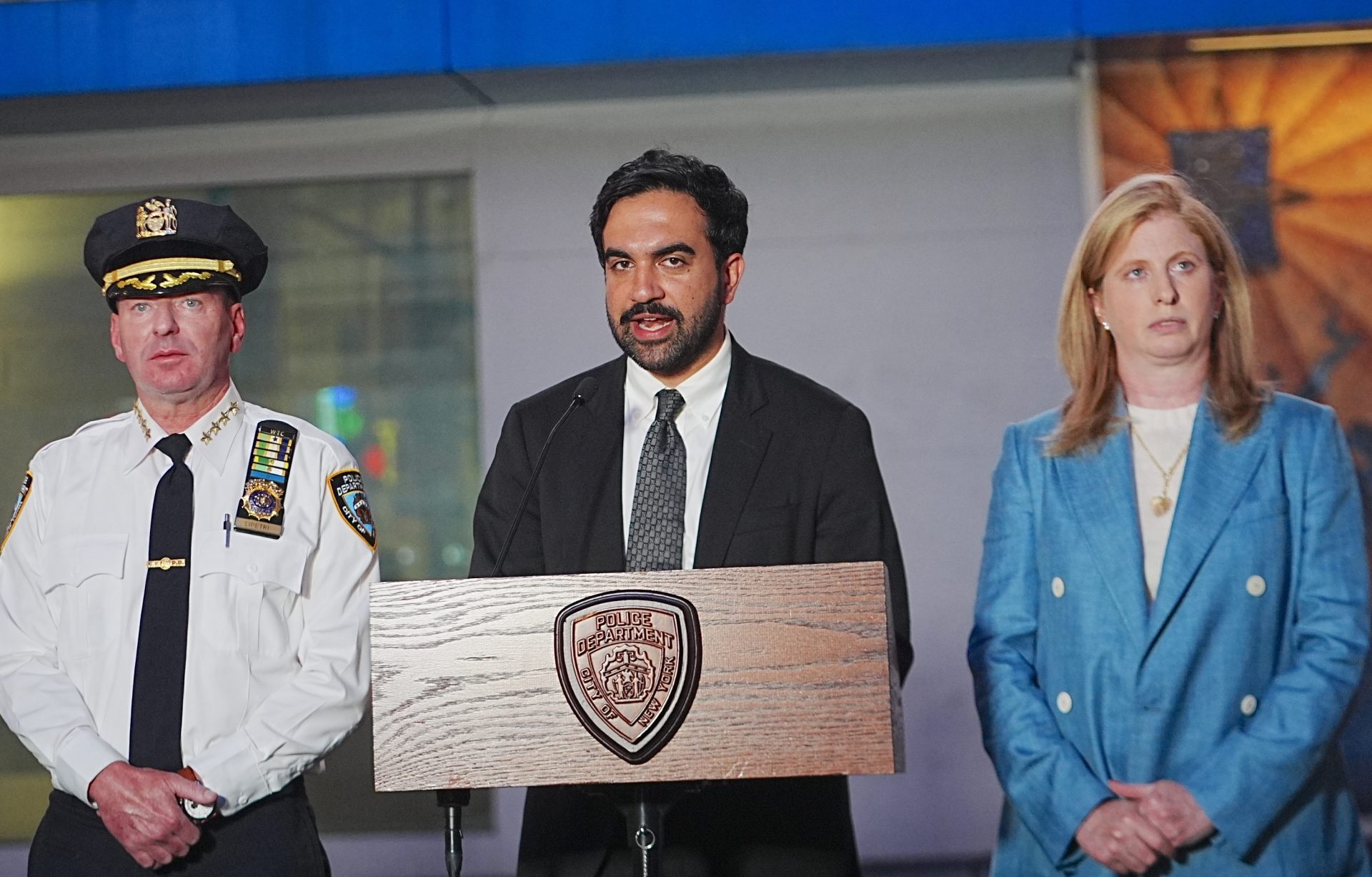
In January 2015, following a wave of terrorist attacks across the world, then-New York City police commissioner William Bratton officially established the NYPD’s Strategic Response Group (SRG), a specialised unit that would be trained to respond to terror threats and large-scale civil disorder. Now, just over a decade later, there are reports that Mayor Zohran Mamdani wants to disband the same unit.
During his 2025 mayoralty campaign, Mamdani pledged to abolish the SRG, arguing that it should no longer be responsible for responding to both protests and counterterrorism, following criticism of its supposed heavy-handed approach. The New York Times now reports that Mamdani could hand those roles to a number of other units. But disbanding the SRG in this way would be an unforced error at a time of relative safety and sound police policy. That the Mayor seems willing to do so suggests that placating his base takes precedence over the pragmatism that some have attributed to him.
Before the SRG’s creation, the NYPD responded to large-scale emergencies mostly on an ad hoc basis, relying on the resources and capabilities of individual precincts. The department’s Emergency Services Unit (ESU) was trained to handle specialised emergencies, including hostage situations and active shooters, but was not always large enough to manage every dimension of a major incident.
Bratton created the SRG to complement the ESU, providing additional personnel and training for counterterrorism, crowd management, and other large-scale deployments. The two units could work together: while ESU officers addressed an immediate threat, SRG officers could secure the perimeter, assist evacuations, and prevent further escalation.
This division of labour was on display during the July 2025 Park Avenue shooting in Manhattan, when SRG and ESU officers worked to secure the area and avoid further chaos. And in addition to confronting active shooters, the SRG — as Stephen J. Hughes, the unit’s founding commanding officer, has explained — is deployed to address other crimes every day, including robberies, burglaries, and assaults. In other words, a vital and effective layer of police capacity that helps keep civilians safe is now under threat.
Much of the Left-wing opposition to the SRG dates back to the George Floyd protests of 2020, when the police unit was criticised for its use of force during widespread unrest. Since Mamdani’s election as mayor, the Democratic Socialists of America (DSA) has piled on pressure to abolish the unit.
It’s hardly surprising that the DSA opposes the SRG. Its preferred form of political expression is often agitated protest, sometimes bordering on and frequently crossing the line into the very kind of civil disorder that the SRG was founded to quell.
Now that he looks set to give in to the DSA’s demands, the Mayor’s proposed solution is especially revealing. Rather than preserve and perhaps fix (in his eyes) the specialised police unit, he wants to hand the SRG’s responsibility for managing protests to a civilian unit. Mamdani recognises that large demonstrations require crowd management and coordination, but refuses to entrust that responsibility to the police. He seems to desire the political benefit of appearing to abolish an unpopular police unit while attempting to preserve the function it performs.
But how will civilians fare in this crucial and high-profile role? This political manoeuvre echoes Mamdani’s creation of the Office of Community Safety, a $260 million initiative dedicated to mental health and gun violence prevention. We are still waiting to see the results. But it is already clear that abolishing the policing institution while still demanding that civilians perform its function is an incredibly risky gamble for a city of over eight million people.