









22 May 2026 - 7:00am
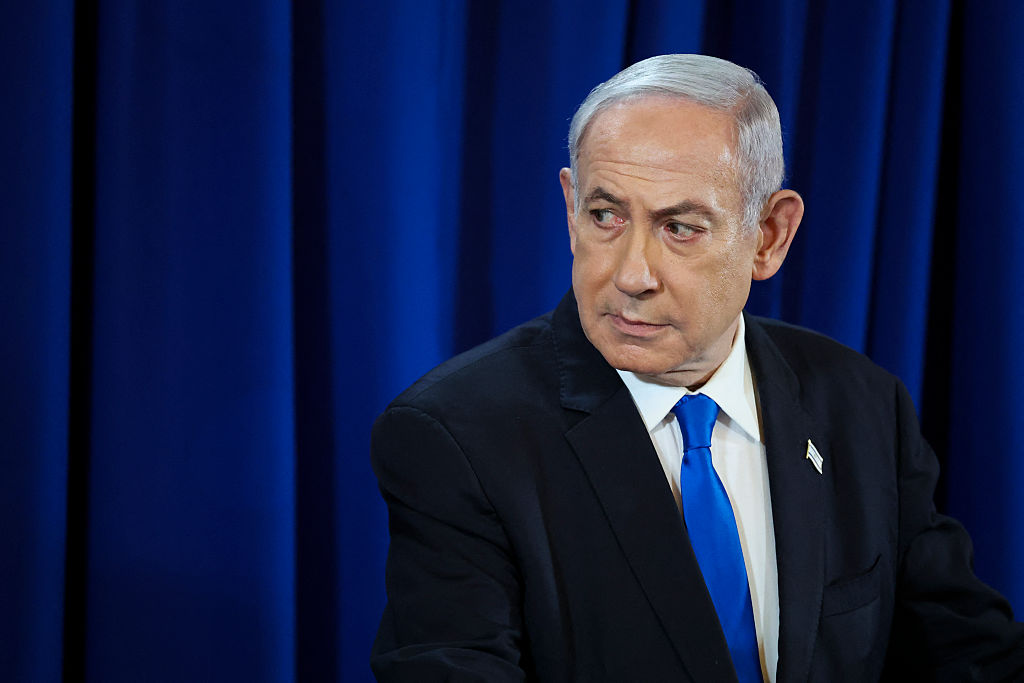
Earlier this week, the Israeli Knesset voted to dissolve itself ahead of a new general election in the autumn. This will be the first election held since Hamas’s October 7 attacks in 2023 — and the polls all indicate that Benjamin Netanyahu’s government will lose its majority.
Bibi built his political reputation as a cunning strategist who would keep his country safe: someone who tried to avoid military entanglements, erring on the side of caution when Israeli lives were at risk. He used to sell himself as the America-whisperer, uniquely placed to keep Israel in the good graces of Democratic and Republican presidents alike.
That image now lies in ruins. The IDF is running on fumes, with Chief of Staff Eyal Zamir saying that another 17,000 troops are needed just to maintain the current commitments. Tens of thousands of reservists have now served for 500 days or more, with a desperate impact on their families, education, businesses and careers. Netanyahu’s great gamble to achieve regime change in Iran has failed, further alienating much of the US public and political class from Israel.
Bruised on the world stage, Bibi has concentrated on shoring up his position at home. But he has been unable to win back the support of the ultra-Orthodox parties which he lost when he failed to secure their continuing exemption from military service. At the same time, his persistent attempts to bring back this exemption is infuriating secular Israelis, especially since he continues to extend the mobilisation periods of thousands of reservists.
That the Knesset voted to dissolve itself shows the weaknesses of Netanyahu’s position, as he is now unable to control the timetable of the election. Ideally, he would prefer the poll happen, if at all, on 27 October — the latest possible date. This would give him more time to turn the polls around, or to hope that something might emerge to rescue his position. Of course, if there is another escalation in the war, he can argue that the election should be postponed. But, as it stands, Israeli parliamentarians will likely decide to hold an earlier poll in September. And the prospects of Bibi surviving the election look slim.
The national religious parties might not run on a joint slate this time, as they did at the last election in 2022, which could prevent them from winning any seats if one or both of Itamar Ben Gvir’s Jewish Strength party or Bezalel Smotrich’s Religious Zionist Party fail to reach the required 3.25% threshold.
One cause of optimism for Netanyahu is that, on current polling, the opposition parties wouldn’t be able to cobble together a majority either, not least because Naftali Bennett has said that he wouldn’t govern with the Arab parties, as he did in the last grand anti-Bibi coalition. This gives the Prime Minister hope that, without any clear winner, he will be able to wrangle another deal with the ultra-Orthodox Israelis.
All of this is assuming that the election will go ahead as planned: many critics of the government are already loudly warning that Bibi will try some wheeze to avoid going to the voters. Given that he has continued to pursue unpopular policies despite his declining poll ratings, extending reservists’ deployment while trying to continue the ultra-Orthodox exemption, it is difficult to see him winning an election from this position. This is an ominous sign that he no longer cares about public opinion, and will ensure that the election is either unfair or does not take place at all, or else dispute any loss and attempt to cling to power
Whatever happens when Israelis go to the polls in the autumn, this week’s vote to dissolve the Knesset heralds the end of the current chapter of Netanyahu’s political career. It may prove to be the final chapter.
