









4 June 2026 - 12:30pm
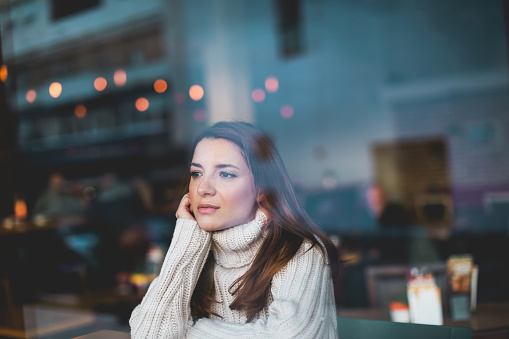
Young women are attracting hundreds of thousands of online followers by declaring themselves alone and friendless. “Loneliness” and “solitude” influencers are gaining traction by posting their nights in, accompanied by captions such as: “POV you have no friends and live alone so this is how you spend your Friday night.” Americans have worried for years about whether social media is making us lonely, but these influencers demonstrate that loneliness itself has become content.
This trend points to a cultural problem, one bigger than a few solitary female influencers. Social media is not just chipping away at real-world interactions but actively rewarding people for performing loneliness. Platforms and their users can cash in by glamorising behaviour that inherently makes society — and content producers themselves — worse off. One 24-year-old influencer told New York Magazine that after titling her first TikTok video “You’re single, you don’t have kids, you live alone, and you’re an introvert,” it drew around 200,000 views.
Society gets more of what it rewards. Another “full-time influencer” rebranded her account away from posts about her dog to videos of herself as a “single introvert” after one Friday night post about having few local friends “blew up”. If being a lonely, friendless influencer is a successful online brand, we shouldn’t be surprised when it produces more people who are lonely and friendless.
This dynamic is not unique to loneliness. Social media also rewards proclamations of victimhood, diagnoses, and dysfunction — all circumstances that objectively make lives worse. But platforms are agnostic about whether this behaviour is healthy, only caring about how to draw engagement.
Most discussions about social media assume the government should solve the problem, but regulation has limits. Age restrictions can be circumvented; privacy concerns complicate verification requirements; outright bans raise concerns over free speech. The deeper issue is cultural, and the government can’t fix that.
Americans routinely use social norms to discourage harmful behaviour. We criticise drunk driving, littering, and smoking. “Stigma” gets a bad rap, but informal disapproval is one of society’s most effective tools. However, when it comes to spending several hours a day online, documenting every moment publicly, or replacing real-life relationships with strangers on phone screens, we’re seemingly unwilling to exercise much judgement. The result is that one of the most socially corrosive habits of modern life enjoys widespread cultural acceptance.
Some will contend that adults should spend their time however they choose. Loneliness influencers have claimed they’re happier this way, without guilt for having no plans, and suggest their videos are “fostering more connection”. That might be true for some, but there’s a difference between helping people escape loneliness and keeping them comfortable remaining there. The 24-year-old influencer told New York that she wished she had more friends. Yet a steady supply of online validation dampens the discomfort that otherwise might be needed to make friends for real.
Cultural norms should shift. Excessive use of online platforms should be considered socially unattractive. Millennials and members of Generation Z, worried about what screens are doing to their brains, are already cutting back, swapping smartphones for flip phones and seeking out in-person experiences. Tech executives keep their own kids off screens.
Social disapproval helped drive one of the great public-health turnarounds of the past century: smoking among US adults fell from about 42% in the mid-Sixties to roughly 9% in 2025, marking a decline of over 75%. The CDC credits not only taxes, bans, and public education, but also a shift in the social acceptability of lighting up a cigarette.
Of course, discouragement doesn’t mean cruelty. Few people truly want to eat alone every weekend. But it’s counterproductive if we don’t say plainly that spending half of one’s waking life online is neither healthy nor admirable. Feeling a little pressure to get off your phone and interact with people in real life is no bad thing.
The loneliness influencer trend will pass, to be replaced by another online fad. But the phenomenon should send a message to contemporary America: reluctance to judge unhealthy habits has turned them into lifestyle brands.
