









15 September 2026 - 10:00am
In 2010, Jamie Oliver showed a group of schoolchildren how chicken nuggets are made. The admittedly grim process involved blending skin and bones, spraying carcasses with water, and making a pink goo which he then shaped and fried. Presumably hoping he had put them off nuggets for life, he asked if any would still like to eat one. They all put their hands up; Oliver was dismayed.
It was great TV, and Oliver had done everything right. The problem is that almost everyone, including those seven-year-olds, can grasp why they shouldn’t eat unhealthy food every day but, given the chance, many will.
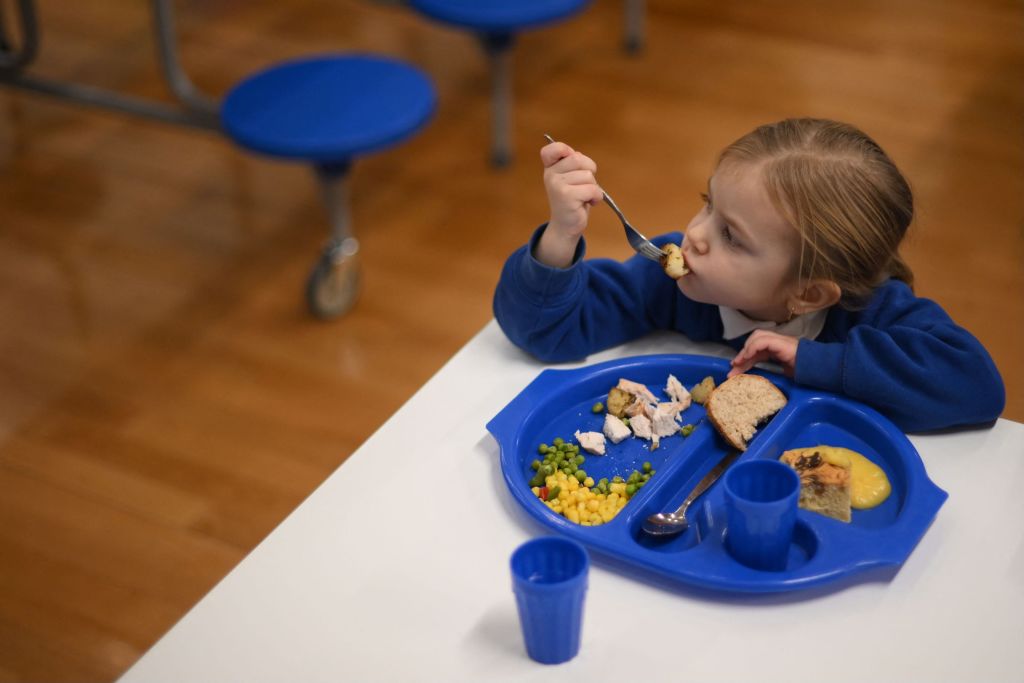
Now the Government has a different solution in England to help children maintain a healthy diet: don’t give them a choice. New standards announced this week will further restrict fried, battered or breadcrumb-coated food; limit consumption of cakes and biscuits; apply restrictions to packed lunches; and demand high-protein meals, resulting in endless lentils and chickpeas, which are historically not English in the slightest. Children will now magically eat more veg and fewer crisps. Job done.
Except that is not what happens. A school can easily ensure it does not serve pizza for lunch, but there is nothing stopping a child from eating a nominal amount and then fleeing the gates at four o’clock for the nearest Greggs. I’m sure you’ve all seen it: blazered teenagers outside high-street chains, or on the bus snacking on wings and drinking Fanta.
The problem is only exacerbated now that school lunches are paid for by families, unless their children are eligible through Universal Credit, which is part of a new extension to the benefit that has been implemented for this school year. When the average school lunch costs around £3.35 but a Mini McFlurry costs £1.29, I know what many children will do, and that’s buy two McFlurries.
When I was 16, boys at my boarding school were occasionally invited into their housemaster’s private home and given bottled beer with him and other adults. They weren’t doing that because they wanted us to binge-drink: the point was the opposite. In two short years we could legally drink, but no doubt many of us already did, so they showed us how to do it well. The adults accepted reality and, without lecturing or tutting, showed us how to do it better.
Of course, they had the time and ability to care, but it’s lamentable that state-school teachers don’t have similar facilities. Food is no different. Parents are busy, often both working, assuming there are two, and when the school offers to make food, or their child fills up at four o’clock and no longer wants as big a dinner, this suits them. Fried food is easy to make delicious; lentils are harder. At some point, children have to learn what to do when all those choices are available. In any case, they already have those choices the moment they leave school.
Jamie Oliver has welcomed the new rules, saying the enhanced monitoring regime will help identify where “care, love and support” need to be deployed. But banning something in law is typically what happens when we admit that we haven’t been able to find the cultural means to show people the right or better life. These rules are a symptom of the same failure, and if Oliver can’t do it, who can? This improved diet will only last until the bell rings to end the school day.