









25 June 2026 - 3:15pm
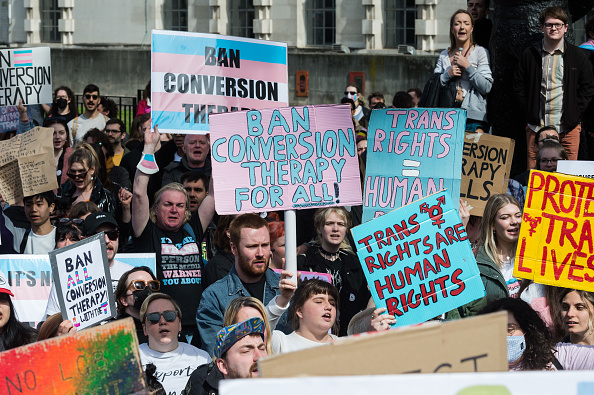
The draft Conversion Practices Bill, published today, seems to have been written with the express purpose of pleasing no one. The bill is an attempt to criminalise abusive practices and therapies that target someone’s sexual orientation or gender identity. While the bill may be well intentioned, trans activists will predictably rage that it does not go far enough. Meanwhile, those who suspect that claims about the prevalence of conversion therapy have been wildly exaggerated for political ends will see the legislation for what it is: a bone tossed to the LGBTQAI+ lobby. Yet there is one thing legislators should be able to agree on: laws built on vague definitions are dangerous.
This bill would criminalise practices intended to persuade someone to have, not have, believe they have, or believe they do not have, a particular sexual orientation or transgender identity. Any action deemed to have caused harm or “serious alarm or distress to the individual which has a substantial adverse effect on their usual day-to-day activities” would be covered. But violence against the person is already a criminal offence, and there is no evidence that so-called conversion therapy is widespread.
However, this bill does not merely create criminal offences. It also establishes conversion practice protection orders that may be sought by police, local authorities and others, including in family proceedings that may seek to protect someone from being subject to an alleged conversion practice. Such powers may be justified where conduct is clearly defined and serious, but are far more troubling when built upon concepts as subjective as emotional pressure and gender identity.
As ever, the devil is in the detail. This would be the first time “transgender identity” has been explicitly written into law. The bill defines it as being transsexual, undergoing or proposing to undergo a process of gender reassignment, or identifying as “neither male nor female” or “not solely male or female”. This leaves the very term up for varied interpretation.
Furthermore, conduct carried out in the course of providing healthcare is exempt from prosecution unless a practitioner acts in a manner that falls “far below” professional standards. Yet that merely relocates the uncertainty. The bill’s definition of abuse includes concepts such as “psychological or emotional pressure”. What confidence can a clinician have that exploratory questioning will not later be characterised as an attempt to alter or suppress a patient’s identity? Or if a patient identifies as asexual because they experience no sexual desire, can a clinician suggest that medication affecting their libido may be the cause and suggest they come off it?
And what of the adolescents who mistake being same-sex attracted for being trans? This is something that politicians have a duty to be particularly aware of in the wake of the scandal at the Tavistock Clinic. Data from the clinic found that among patients over 12 whose sexual orientation was recorded, around nine in 10 girls and four in five boys were same-sex attracted or bisexual.
The greatest danger posed by this bill is not that it will fill the prisons with therapists, parents and GPs. It is that it will make them afraid. Faced with nebulous concepts such as “psychological pressure”, “serious alarm”, and “transgender identity”, sensible professionals may conclude that affirmation is safer than inquiry. The result will not be better care but less of it.
Bad laws are often passed with good intentions. The problem is that once vague concepts are written into statute, they cease to belong to the politicians who drafted them. They belong to all of us, including grievance dwelling and perpetually offended activists.
