







 Prefer us on Google

7 April 2026 - 10:00am
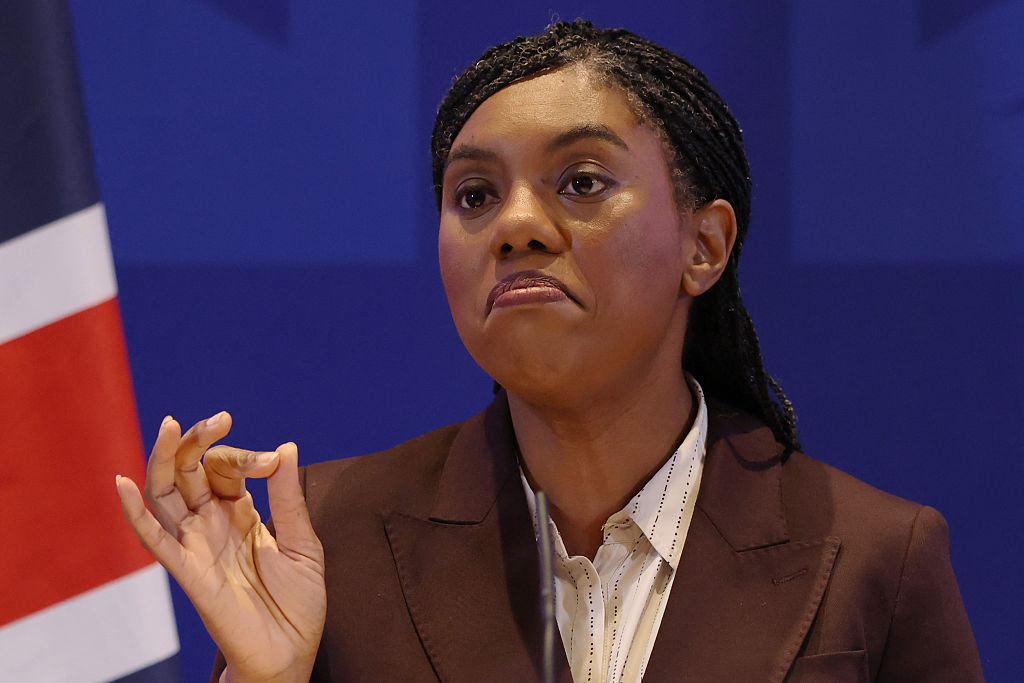
War is brewing once again over the small matter of whether Britain is broken. Writing for the Times over the weekend, Kemi Badenoch declared that the county is not broken — it is, apparently, a place where “dreams come true”, and people are “alive to the possibilities of the future”. A land of bluebirds and rainbows, in other words.
That’s why the Tory leader proclaims herself “tired” of what she calls “this misery, the endless negativity, the doom and gloom”. But whose misery? Badenoch doesn’t actually say, so it’s worth looking in the direction of the opinion polls and the current level of support for Labour and the Conservatives. The two parties which have run this country for more than a hundred years can’t even manage 40% of the vote between them.
It’s an unprecedented situation, one that speaks to a profound unhappiness among the British people. Does Badenoch take their misery seriously? Currently, her message to voters sounds like “shut up and eat your upbeat clichés.”
In this respect, Reform UK — which does believe that Britain is broken — is more in tune with the national mood. And yet Nigel Farage and his party colleagues also have a problem, which is that for all the Tory-Reform differences in style, vibes and optimism, the parties’ policy platforms are now near-identical.
Both want to pull Britain out of the European Convention on Human Rights, both want to slash welfare spending, both have blamed the second fossil fuel crisis in the last five years on Net Zero, and both have been left floundering by the Trump-induced breakdown in the Atlantic alliance. Reform did have a chance to chart a distinct course by ending the Triple Lock on the state pension — and even dropped a few hints that it might — but last week the party well and truly chickened out.
The underlying similarity between the two parties, reinforced by the defections of Robert Jenrick and Nadhim Zahawi, could prove crucial in the aftermath of the local elections in May. Reform looks set to make another leap forward, while the Conservatives suffer severe setbacks. But to put pressure on Badenoch, Farage needs a repeat of what happened after last year’s local elections: a sudden shift in support from the Conservatives to Reform in the national polls. If that doesn’t happen — and there are reasons to think it won’t, not least the lack of major policy differences — then Farage will need a new political strategy.
Of course, Badenoch will need a new political strategy, too. There’s no way she can carry on after a second round of catastrophic losses and pretend that the Conservative brand isn’t toxic. Though she’s gone a long way to improving her personal standing with the public, her party’s popularity lags far behind.
Fixing that would begin with a comprehensive reshuffle of the Shadow Cabinet. Her top team should look like the next Conservative government, not the last one. Even more importantly, she needs to admit that Britain is broken and that her predecessors played a significant part in breaking it. That, of course, would require a level of rhetorical depth that is entirely absent from the dross that she’s just contributed to the Times.
It would be easier for her not to take the risk, to ride out the pain of the local election results and rely on her proven strengths. But the only way she’ll get away with that is if Reform UK sticks to its rut in trying to take over the Tories, and the Labour ministers to theirs in keeping Keir Starmer. Essentially, she’d be betting her leadership on the continued complacency of her opponents.
Peter Franklin is Associate Editor of UnHerd. He was previously a policy advisor and speechwriter on environmental and social issues.
 peterfranklin_