









8 April 2026 - 7:00am
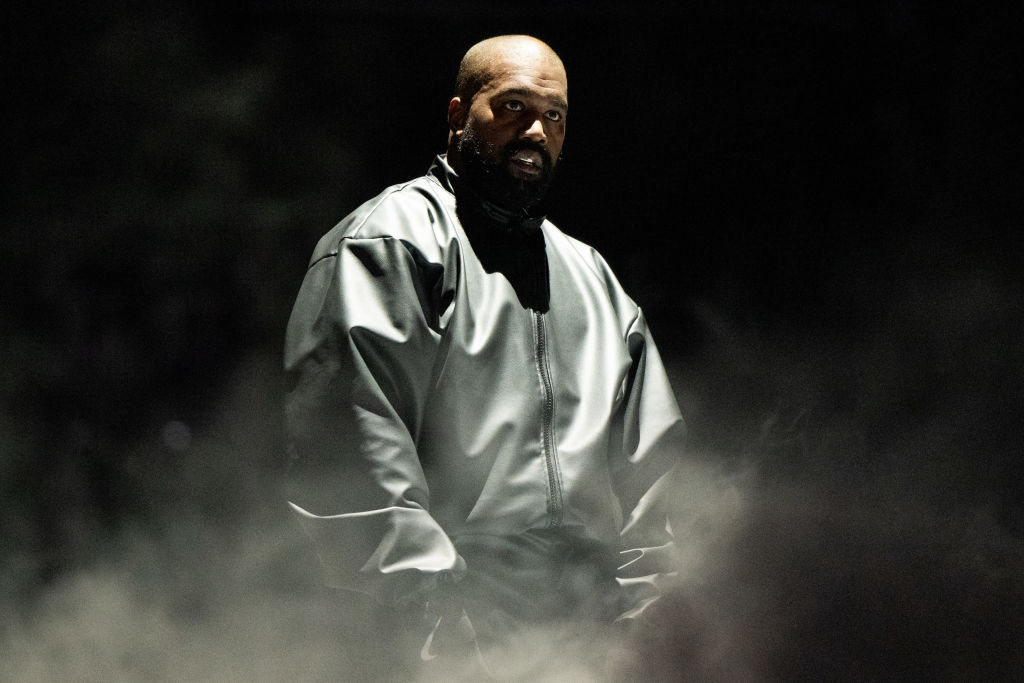
After a long string of radioactive public controversies, which have included the release of a song called “Heil Hitler” and the sale of swastika T-shirts, Kanye West’s music career has emerged somewhat intact — but his ability to travel has not.
This week, the UK denied West’s travel authorisation to enter the country ahead of scheduled concert performances, asserting that “his presence in the UK would not be conducive to the public good”. Prime Minister Keir Starmer also posted on X: “This government stands firmly with the Jewish community, and we will not stop in our fight to confront and defeat the poison of antisemitism. We will always take the action necessary to protect the public and uphold our values.”
The UK is not the first country to ban West from entry. Australia had previously cancelled the rapper’s visa following the release of “Heil Hitler”. But this move comes after West issued a public apology for his support of Nazism, citing his bipolar disorder and a brain injury as contributing factors for his behaviour. He also spoke out this week about the controversy over Wireless Festival. “My only goal is to come to London and present a show of change, bringing unity, peace, and love through my music,” he said. “I would be grateful for the opportunity to meet with members of the Jewish community in the UK in person, to listen.”
The Board of Deputies of British Jews said it was willing to meet with West “as part of his journey of healing, but only after he agrees not to play the Wireless Festival this year”. Ultimately, the offer may be moot as West’s ability to meet, at least in person, is off the table.
Coverage of West’s statements and his haphazard efforts to back away from them has been extensive. But in terms of his entry ban, the question worth considering isn’t whether his apologies have been sincere, whether he is a “good” person, or if what he said is popular or well-received. It’s this: do we want the subjective beliefs and preferences of government officials to dictate which speakers are allowed to enter a country and express themselves?
For many, West is a sufficiently offensive test case that they may celebrate the UK’s decision — and some are. But keep in mind that the authority used to deny West entry will not only be used on him. Whether a UK citizen or not, one should be wary of encouraging governments to flex their power this way.
Even if current leaders’ conception of what’s hateful, offensive, or beyond the pale is agreed with, future politicians may define it differently. They will be able to exercise that power, perhaps to punish your views.
In the US, these questions have grown increasingly urgent in the past year as the Trump administration has boasted that it will deport and deny entry to people who hold what the government deems antisemitic or even “anti-American” views.
In a case similar to West’s but in the reverse, Deputy Secretary of State Christopher Landau proclaimed last year that the State Department revoked the visas of British duo Bob Vylan, who chanted “death to the IDF” at a music festival ahead of their US tour. Landau called it a “hateful tirade”. Officials also announced visa revocations for foreigners who commented on Charlie Kirk’s assassination last autumn.
While governments may ultimately exercise some authority to determine which non-citizens are able to enter a country’s borders, we should firmly reject the use of those powers as a filtering tool for popular or government-approved speech. It won’t actually make hateful or offensive ideas go away, but it will give governments another tool to regulate and punish speech — including critics and dissenters, too.