









19 Nov 2026 - 6:00pm
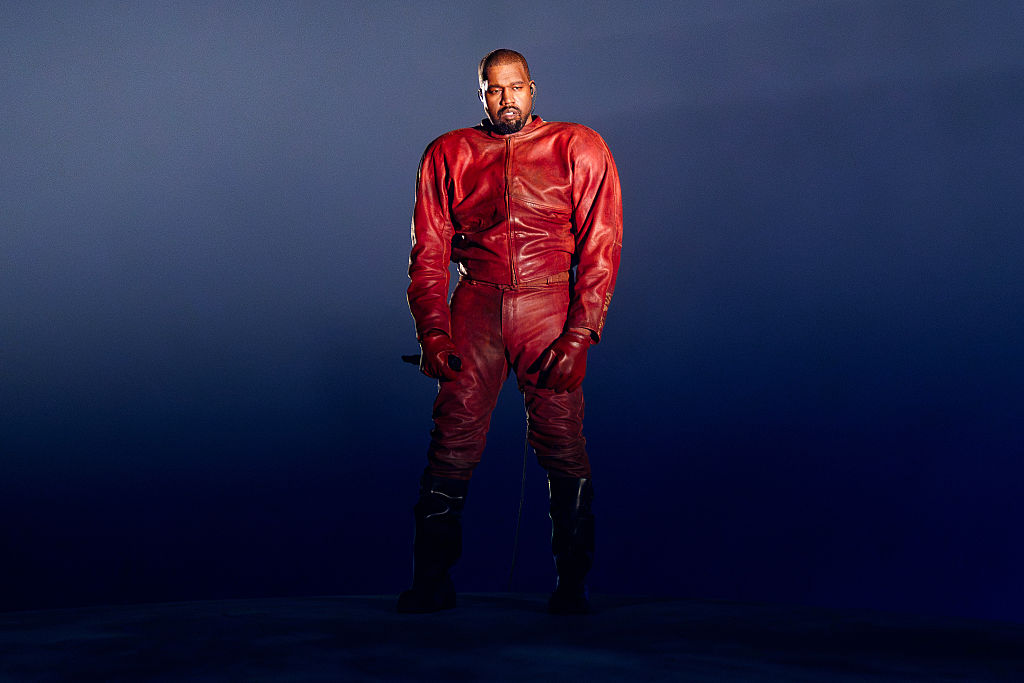
Ye is back. Having been about as comprehensively cancelled as it’s possible for a gazillionaire to be, the artist formerly known as Kanye West has been nominated for his 77th Grammy nomination, for his album Bully. While not everyone is convinced by his return, he’s definitely no longer in exile.
It’s tempting to conclude that this just tells us what we already know — that the entertainment industry is fickle, with the memory of a goldfish. But Ye’s rehabilitation also spells out, as clearly as the US midterms results, how the vibe is shifting more broadly. In particular, it demonstrates that being an edgy online Right-winger is no longer cool.
For a while it seemed that Ye had been cast forever into the outer darkness, following a series of increasingly provocative utterances. In 2022 he wore a “White Lives Matter” t-shirt to a fashion show. Days later, by which time he had also posted a string of antisemitic statements, Adidas terminated a lucrative partnership. Gap, Foot Locker and Balenciaga followed suit. The rapper’s talent agency dropped him and a documentary was canned. Ye’s apparent urge to outrage continued unabated, culminating last year in a song titled Heil Hitler.
Then, just as abruptly, he appeared to repent. In January this year, Ye took out a full-page advert in the Wall Street Journal apologising for his behaviour, which he blamed on his bipolar disorder. Now he’s back, with new music and a new Yeezy collection. Some have even suggested that the outrage prompted by his latest tour helped him sell tickets, like a musical Streisand effect.
Online, there’s no such thing as bad publicity. But you also don’t get to be — and remain — as famous as Ye without a genuine ability to tap into the zeitgeist: to capture and make visible wider cultural currents, while shaping them in turn. It’s not a coincidence that his spate of cancel-worthy mania between 2022 and 2024 smelled so strongly of Nick Fuentes’ Groyperism, characterised by casual Hitler-worship and deliberately outrageous white nationalism. That era was also the moment this rebellious subculture grew more visible and influential, and largely fell in behind Donald Trump. For a moment, this diffuse, fractious but highly influential e-Right had the cultural whip hand.
But this is no longer the case. Some of this is surely down to the fact that being cool means being edgy and rebellious, which is more difficult to pull off when your team is in power. But the need to deliver on actual policies has also exposed the fissures in the coalition that brought Trump to power. Some of these factions have undoubtedly got more of what they wanted from Trump than others. But the young online-Right influencers who gave Trump the imprimatur of hipness are left carrying the can for all his choices — even the ones many of this caucus opposed, such as the decision to attack Iran. It’s unfair, perhaps, but also unavoidable.
Following Trump’s somewhat messy and incomplete delivery on the hopes of his younger, more radical supporters, the vibe has begun shifting again. The midterm massacre has produced a resurgent optimism on the American Left. Big Tech leaders have begun to discover that they were liberals all along. And Ye, in keeping with his longstanding ability to sniff out shifts in the cultural ether, disavowed the e-Right style of transgression all the way back in January and has returned to doing what he did as Kanye West.
Is the music any good? Are the clothes wearable? You’ll have to ask someone else. But Ye’s return from the wilderness also affirms what was long feared: that “dissident Right” was always more an entertainment subculture than a political movement. The substantive political issues that animated it haven’t gone away, but its brief cultural ascendancy has now passed.
