







 Prefer us on Google

3 July 2026 - 6:00pm
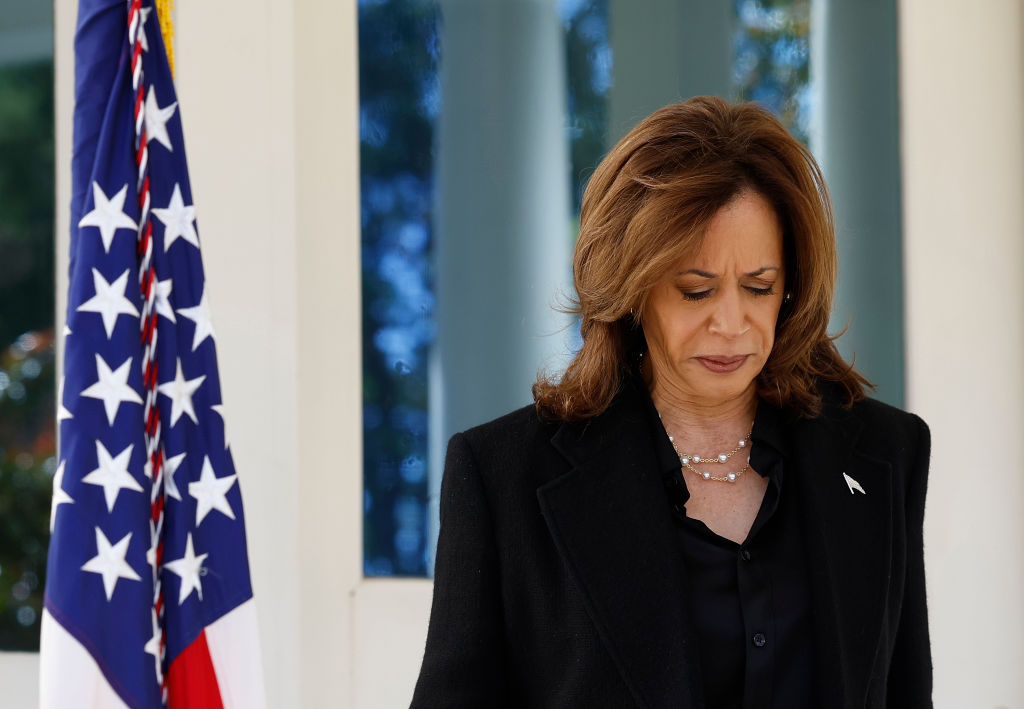
As she prepares the ground for a possible 2028 presidential bid, Kamala Harris has reportedly been building alliances with the ascendant socialists taking over the Democratic Party. It comes across as a cynical attempt to rewrite her political reputation along prevailing winds, and it is likely to fail.
According to Axios, the former vice president has both texted and called New York Mayor Zohran Mamdani in recent weeks. She also met with Alexandria Ocasio-Cortez and leaders of the pro-Palestine “Uncommitted Movement” that protested her nomination at the Democratic National Convention in 2024.
This week, even more incumbent Democrats have lost seats to candidates aligned with the Democratic Socialists of America or who hail from the party’s far-Left flank. Melat Kiros, who defeated a 15-term incumbent in Colorado this week, will become the seventh DSA member in Congress. Kiros’s origin story is rooted firmly in the pro-Palestine movement, as are many of the rising progressive candidates who have won elections from New York City to California.
Yet for Harris, who was literally vice president as America stood by Israel during the war, pulling off a pivot on this crucial issue for many Democratic voters would be enormously difficult. Asked about the matter by CBS News last month, Michigan Senate hopeful Abdul El-Sayed explained: “This is a moral Rorschach test. If you can’t identify the systematic murder of tens of thousands of kids as a genocide and then you want to say you’re a fighter for human rights and dignity, that’s just hypocrisy.” This is the discourse into which Harris knows she would enter in 2028, and if enough voters decide she does not pass the Gaza litmus test, it could render her odds of victory very slim.
Yet Harris has been here before. After Bernie Sanders stunned the Democratic Party establishment in 2016, candidates in 2020 started testing out ways to meet the populist moment. Many decided publicly to decline corporate cash.
Then a senator, Harris, was memorably tripped up by a town hall question on corporate campaign donations in 2018. Within the same month, she announced she had a change of heart and was swearing off corporate PAC money, saying: “Money has now really tipped the balance between an individual having equal power in an election to a corporation.” Nevertheless, she enthusiastically courted America’s wealthiest contributors, taking on the Hamptons circuit as the election season heated up in 2019.
This is a familiar dynamic in the Tea Party movement, in which incumbent Republican politicians watched their colleagues fall to insurgents and attempted to posture as populists to stave off the same fate while continuing to govern as moderates.
It was the cover-up of Joe Biden’s age, the decision to force Harris into the nomination after he dropped out, and that administration’s alliance with Israel on Gaza that laid much of the groundwork for Mamdani’s insurgent momentum to take on Andrew Cuomo. Voters became so distrustful of the Democratic Party leadership that despite — and because of — Cuomo’s deep connections, Mamdani trounced him twice the year after Harris’s election loss.
Harris knows the obvious: she has no political future in an increasingly radical Democratic Party without a dramatic reckoning. Actually pulling that off, though, will prove almost impossible.
