









28 October 2026 - 2:00pm
Because there have now been six official James Bonds, it seems like every Briton has a unique image of who the character is, and people get annoyed when their version differs from the one they see on-screen. It’s unsurprising, then, that there has already been some backlash after the Hollywood Reporter announced that up to five actors have auditioned for the role including Jack Lowden, Callum Turner, and Josh O’Connor.
Before proceeding, I ought to clear up what my Bond looks like: he’s 6’2”, dressed by Savile Row, with his hair brylled and brushed away from his widow’s peak. He’s reserved, pithy, wounded, and looks as much the seduced as the seducer. It’s plausible that he spent one sultry Etonian summer sublimating his orphan’s grief into a quiet yearning after the captain of the XI. But he’s over that now. Instead, he’s effortlessly — indeed, effeminately — heterosexual. In other words, it ought to be Cary Grant, the first person whom producer Albert Broccoli asked to star in Dr. No, the original film adaptation of the Ian Fleming books.
But Grant has been dead for 40 years, and it’s been five since (spoiler alert) Daniel Craig killed off his own version of Bond, and almost two since Amazon bought the rights to resurrect him. So we must make do. Last year, Denis Villeneuve, the stylishly humourless French-Canadian behind Dune and Blade Runner 2049, was announced as the next film’s director. That came as sad news for those of us who still maintain that Bond films should, in the very least, involve comedy — until the tantalising possibility of Josh O’Connor was raised.
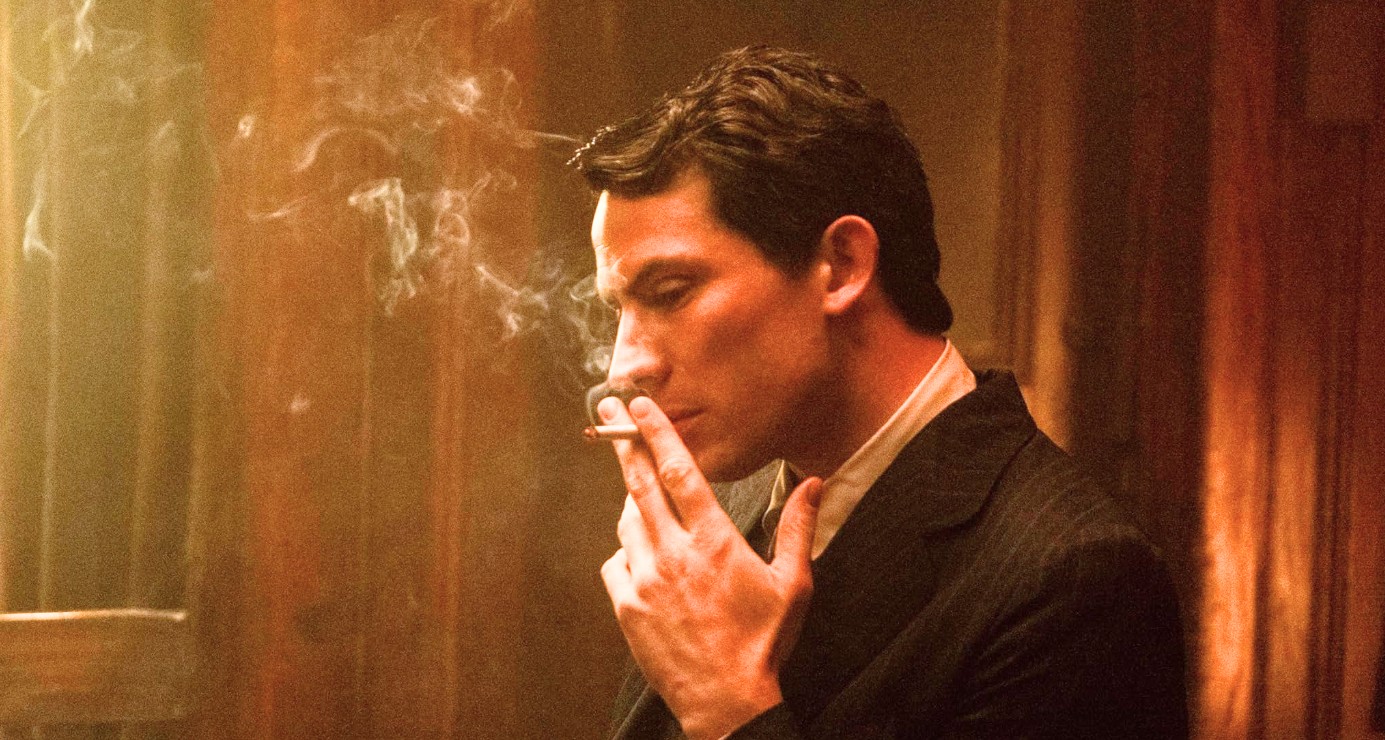
It has to be him. Yes, he’s prone to vague musings about “capitalism”, as well as being a bit Irish-looking and somewhat rattish, but he exudes — to quote Poppy Sowerby — “an angular broodiness, a wiry weirdness”. In short, he embodies an inexplicable suaveness that the franchise needs. Bond should look plausible lunching at Scott’s, playing golf at St George’s, wearing a silk kimono, and sipping a martini as he stands over the corpse of a murdered Slavic heavy. Unlike Lowden (too tame, famous for playing a failed spy) and Turner (more likely to drink a protein shake than a shaken martini), O’Connor has the requisite presence, mystery, and effeminacy for this role.
In the Fifties, the Guardian criticised Fleming for celebrating “the cult of luxury for its own sake”. But that’s something Bond must be capable of doing. He was, after all, a kind of wish-fulfilling fan-fiction for Fleming: Imagine me, but as a world-famous spy who can handle his drink and his poker chips and his women. And that’s typically how most British men think about him when they switch on the telly and settle into the kitchen sofa of a Sunday afternoon.
That has been true, at least, ever since Sean Connery — “that fucking truck driver”, as Fleming called him — first blundered into the role and boozily cheapened the world’s notions of English gentility by spanking Margaret Nolan’s bottom in Goldfinger. He was followed by a brief appearance from George Lazenby, then Roger Moore (camp, less effortless than lacking effort, precariously close to outright spoof), two outings by Timothy Dalton, Pierce Brosnan (quite good), and then Craig, who confessed he’d rather slash his wrists than play his version of Bond again.
And that’s unsurprising. For those of us born in the 21st century, Bond is a dour, Edward Snowden-era agent — one of the few men of integrity left in a declining and morally compromised state. “Bond,” Fleming confessed in the late Fifties, “is a bore.” But that wasn’t true: it’s only Craig’s straitjacketed performance that made him so.
Those earlier Bonds on page and screen were at least at ease with being British. America was the dominant power, but those upstarts could hardly be expected to understand the fine art of espionage. For all that Bond is criticised as being “imperial”, he never truly was. Instead, he was always a post-imperial hero, effete yet commanding even as Britain’s role became markedly different from the one that Eton had led him to expect. That, perhaps, is what O’Connor could bring to the role: an assertion of an easy, old-fashioned English masculinity in the flux of a changing world. He could portray a man who, in the immortal words of Moore’s Bond, can “keep up the British end, Sir”.
