









17 January 2026 - 8:00am
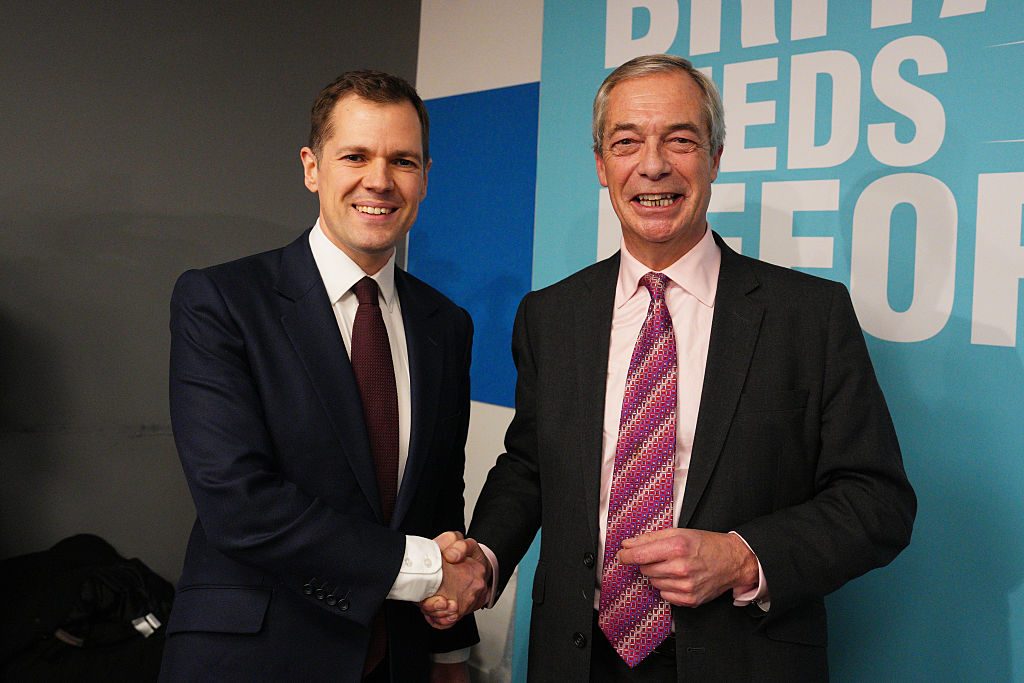
Last month, Nigel Farage dismissed reports that he had expressed openness to striking an electoral pact with the Conservative Party. “No deals,” insisted the Reform UK leader, “just a reverse takeover.” That process appears to be in full swing, as on Thursday former shadow justice secretary Robert Jenrick became the 18th current or former Tory MP to make the switch from blue to teal. Now Conservative leader Kemi Badenoch is being just as definitive as Farage about the prospect of a future coalition, declaring yesterday: “How do you do a deal with people who have been saying things that were clearly not true, not just for months, but clearly for years?”
Badenoch has previously suggested that her party might work with Reform at a local level to form a majority on regional councils, but has played down the possibility of making an agreement after a general election. Following the acrimony of the Jenrick sacking and subsequent defection — on Friday he labelled the Tory high command “arsonists”, while Badenoch said her colleague “tells a lot of lies” — such an eventuality now looks impossible. The Tories, languishing 10 points behind Farage’s party in the polls, are obviously in no position to win power without a coalition partner. But this development also damages Reform, whose vote share of 28% hardly provides a guarantee of a majority at the next general election.
While the quiet Conservative rise to second place in the polls has relied on Labour’s haemorrhaging of support, it is nonetheless an under-cited data point that almost half of British voters intend to back Right-wing parties. The UK public consistently backs tougher measures on immigration, while approval of the current government sits at close to -60. Yet Labour’s willingness to form a coalition with the Liberal Democrats — potentially also propped up by the Greens, though this is less likely considering Zack Polanski’s refusal to work with Starmer and the incompatibility of the parties’ economic visions — puts the chance of a Right-wing government in 2029 at risk. Jenrick told the BBC on Friday that his move would “unite the Right”, yet there remains a significant portion of liberal conservatives who view a Farage premiership as unconscionable.
Reform’s chief selling point has long been that it exists outside of the “uniparty” — that supposed Labour-Tory fusion of ideological indolence and enthusiasm for open borders. Yet the rising number of ex-Conservatives appearing at Farage’s regular press conferences has blurred the distinction, with this becoming particularly apparent following the defection of former Tory chancellor Nadhim Zahawi earlier this week. Zahawi’s previous advocacy for vaccine passports provoked anger among Reform members, and now the party has welcomed a former Remainer who was Immigration Minister at a time when the arrivals of small boats surged. If some of the “arsonists” have remained at the Tory top table, others have realised that their best chance of a return to power lies elsewhere.
Jenrick’s presence on the Tory benches — and the chance of his inheriting Badenoch’s role — may have been the one thing keeping the possibility of a coalition on the British Right alive. The two-party system is no more, but the result is a fractured political landscape in which backroom deals may have to be made in order to form a government. By welcoming in the arsonists, Farage has burned a bridge which he might need in 2029.
