









6 September 2026 - 1:00pm
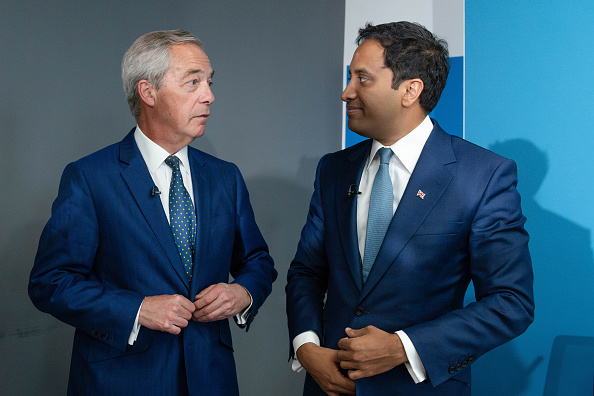
If Zia Yusuf doesn’t want Nigel Farage’s job, then he’s having difficulties making that clear. As reported in The Standard, his perceived ambitions ruffled feathers at this weekend’s Reform UK party conference. It didn’t help when he released a video entitled “This is my story” on the day of his platform speech. To seasoned observers, it looks suspiciously like the early stages of a leadership campaign.
A direct challenge to Farage is highly unlikely. Reform does now have a formal procedure for deposing a leader, which would effectively require over half the membership to write to the party board — an impossibly high bar. Theoretically, Reform MPs can also trigger a no-confidence motion, but there need to be at least 100 of them, and at the moment there are just eight.
So if Yusuf is making a play for the top job, it’s in preparation for the day that Farage voluntarily steps aside. That, however, could be sooner rather than later. Farage is now faced with multiple unresolved funding rows, the latest of which has just forced out his head of policy, James Orr, and his long-term aide, Dan Jukes. In an interview with Robert Peston this weekend, Farage insisted he was going nowhere, but admitted that some family members want him to walk away. He also appeared to prepare the ground for a Yusuf succession when he said: “if these thousands of people out there would prefer Zia or someone else to me […] I’d recognise that.”
Farage will be aware not just of the recent slide in Reform’s support, but also the deterioration in his personal approval ratings. The most damaging finding is from YouGov, which tested Farage directly against Kemi Badenoch on who’d be a better prime minister. A year ago, the Reform and Tory leaders were at roughly level pegging, both scoring in the low 20s (with the remainder of those asked declining to name either one of them). But over the last year, Badenoch leads convincingly, with 45% of respondents now naming her as the better prospective PM against 16% for Farage.
So if Farage does decide the game is up, with whom do Reform members want to replace him? A Lord Ashcroft poll conducted in June found that 22% of those asked opted for Yusuf, closely followed by Reform’s deputy leader, Richard Tice, on 21%. In third place, with 11%, was the party chairman Lee Anderson. Robert Jenrick, Reform’s “shadow chancellor”, came a distant fourth on just 6%.
Clearly, the momentum is with Yusuf. Tice has already been leader, and his big policy announcement at party conference this year — a package of measures to boost buy-to-let landlords — isn’t an obvious vote-winner. Meanwhile, Anderson has told The Sun that the next general election will be his last as a parliamentary candidate (“life’s ebbing away…”). As for Jenrick or any of the other Tory defectors, they’re unlikely to be seen as the answer to the challenge of a popular Labour PM.
Most broadly, Reform is resolving its identity crisis. Farage has seemingly failed in his aim to absorb and replace the Conservative Party. In reaction, Reform is reasserting itself as an unambiguously populist party. All it needs now is an unambiguously populist leader.
Peter Franklin is Associate Editor of UnHerd. He was previously a policy advisor and speechwriter on environmental and social issues.
 peterfranklin_