









1 Nov 2026 - 1:00pm
Cigarettes, pints, and now dodgy YouTube videos: researchers have this week called for “manosphere” and “misogynistic” online content to be treated as a public-health matter. As with obesity or drug addiction, authors of a new report for The Lancet argue that men and boys need “governments, schools, health services and community organisations” to combat sexist online content.
Yet if there’s one thing more toxic than some of the online material aimed at young men, it’s our panic about it. While social media poses a new challenge to parents and teachers in the battle for who shapes and moulds our children, malign influences on young people’s moral compass are nothing new. In the past, porn magazines, television, video games and even novels were held up by an older generation as corrupting influences on young people’s sense of right and wrong. The internet might have upped the ante when it comes to how much young people are exposed to, but the story itself is an old one.
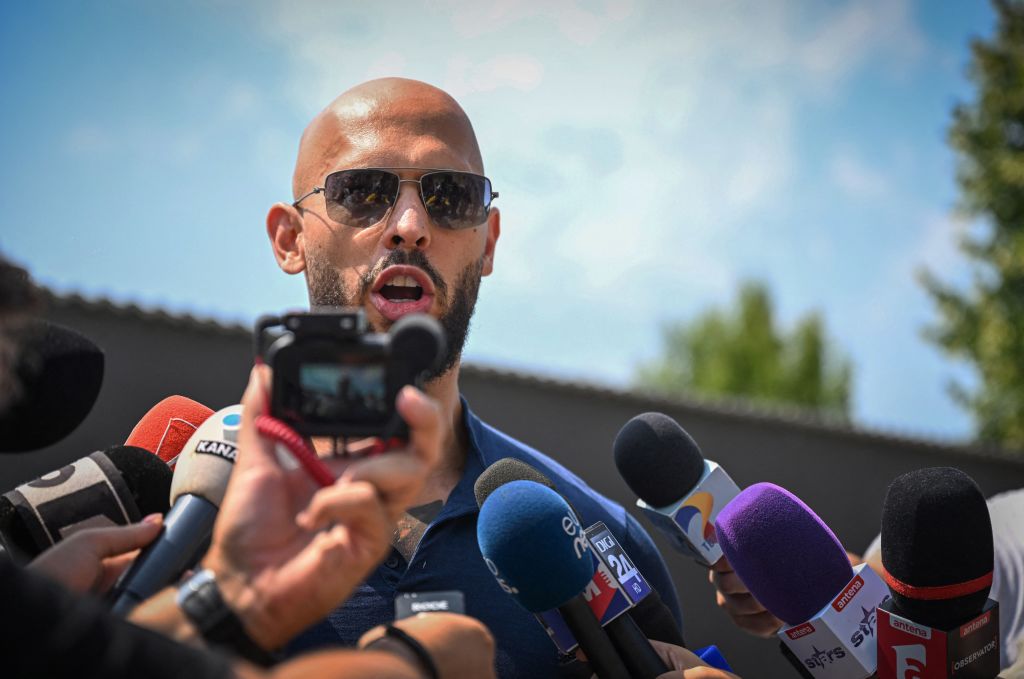
What has changed is that, unlike previous generations which had a strong sense of social norms and adult authority, we are now very nervous about socialising young people. Explaining to a teenage boy why the crap he’s watching online is both nasty and delusional isn’t rocket science, but we seem to lack the confidence to make that argument. Instead of assuring young men that if they try the Andrew Tate routine with real, flesh-and-blood women, they’ll get laughed out of town, we tell them that they’re actually victims of what the Lancet authors call “a diffuse commercial ecosystem”. This feeds the very persecution complex on which manosphere figures capitalise.
These influencers claim that feminism has victimised men, and that real men need to reclaim masculinity. While their version of masculinity is frequently a macho parody demanding sandwiches and sex, their analysis of what’s happened with the moral panic about “toxic masculinity” is uncomfortably astute. Contemporary identity politics, particularly in the world of feminism with #MeToo and panics about rape culture, has created a dynamic in which young men are portrayed as animals and young women as damsels in distress. In this context, a young man telling you on YouTube that you’re not a monster — or perhaps that you are but you should be proud of it instead of ashamed — would be tempting. Andrew Tate and co. didn’t fall out of the sky: we created them.
Perhaps the most egregious aspect of this pathologisation of the manosphere into a public-health medical condition requiring NHS intervention is the idea that the solution to sexist views is to ban them. Speaking to the Guardian, co-author of the Lancet report Professor Kent Buse argued that “public health has a tested toolkit for commercial harms and we should use it.” Sneering at libertarian arguments against bans on alcohol and cigarettes, he said to “expect the playbook that served tobacco so well: blame the individual, and call regulation an attack on freedom.”
But freedom, and a defence of agency, is the very thing that can steer boys away from brain rot online. Young men need good masculine role models but also, crucially, to be treated as free agents. For too long, we’ve told boys that their job in life is to control and suppress their animalistic urges, that they must avoid all material which might feed the monster within lest it burst out and start groping girls at the school disco. Young men — like young women — have all the capabilities of being reasonable, rational and thoughtful. They are not necessarily hostage to YouTube or lost to internet misogyny or brainwashed by porn. If we want to combat the manosphere, we should start treating men more seriously.
Ella Whelan is a freelance journalist, commentator and author of What Women Want: Fun, Freedom and an End to Feminism.
 Ella_M_Whelan