









14 June 2026 - 12:00pm
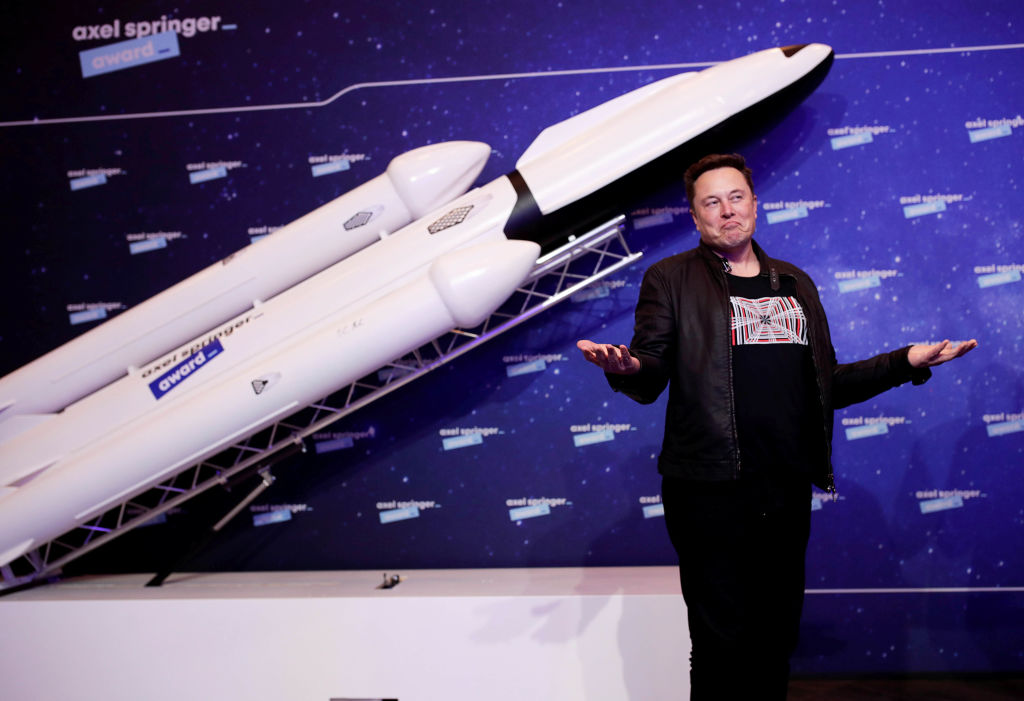
This week’s SpaceX IPO crossed a threshold. But what isn’t yet clear is what we crossed into — the beginning, or the end. On the first day of trading, the share price of the company leapt by nearly 20%, making Elon Musk the world’s first trillionaire. The rise in value wasn’t unexpected. While the buildup to the public launch of SpaceX saw exceptional hype, these blockbuster IPOs are always structured in a way to make it likely they’ll rally on day one.
Months had been spent preparing for the IPO to take off. Investment bankers prepared eye-popping forecasts of future earnings growth, Musk limited the number of shares on offer to ensure supply fell well short of demand, and the Nasdaq and Russell stock indices indicated they’d fast-track SpaceX’s addition. This ensured a wave of money from index-tracking ETFs would support its share price. A great deal of American pension pots will now ride on the success of SpaceX.
So, while the company got off to a good start, its first-day rise merely matched the historical average. The real test comes next. If it keeps going up and up, it may indicate we have only just begun the AI era, and the potential upside is huge. But if it turns around at some point and begins sinking, that may indicate that the market reached peak euphoria this week, and that we began the transition to a bear market — where markets dip for a sustained period.
It’s even harder than usual to predict how the share price will do, because one truly extraordinary thing about this IPO is that investors were persuaded to buy the company on faith, not fact. That is to say, SpaceX’s actual track record of generating income has so far been limited, and nowhere near in line with the expectations factored into its price. The company does not currently make a profit, and its price-to-sales ratio of 92:1 sits far above the average in the S&P 500, which is about 3.6:1 — already well above its historical norm.
However, investment bankers — who admittedly are conflicted, since they profited greatly by ensuring a successful IPO — persuaded investors that Musk is an exceptional genius who will turn fiction into fact. But now Musk will have to deliver. And if he doesn’t, an awful lot of Americans will see their pension pots take a hit. Politically, there’s now a great deal riding on where this goes.
In the background lies another concern. Fund managers say there’s a large amount of liquidity in the market to support these bubbly share prices. But that’s because the US government has been borrowing massively and flooding the economy with money — it’s unlikely an accident that the latest market rally coincided with the arrival of the tax refund cheques from the One Beautiful Bill. But reflecting debt concerns, bond markets are starting to get antsy. Even if rising yields don’t knock stocks yet, it will make it ever more difficult for the government to keep this up. All these IPOs may fight over a diminishing pool of cash.
As the first of a series of blockbuster IPOs, with Anthropic and OpenAI next up, the SpaceX launch could signal the real beginning of the AI era with a reordering of America’s largest companies. Alternatively, if Musk fails to deliver value to shareholders and the SpaceX share price returns to earth, hindsight may reveal this to have been the top of the market. It’ll be champagne or pitchforks down the road. The coming months may reveal which.
John Rapley is an author and academic who divides his time between London, Johannesburg and Ottawa. His books include Why Empires Fall: Rome, America and the Future of the West (with Peter Heather, Penguin, 2023) and Twilight of the Money Gods: Economics as a Religion (Simon & Schuster, 2017).
 jarapley