









28 February 2026 - 4:00pm
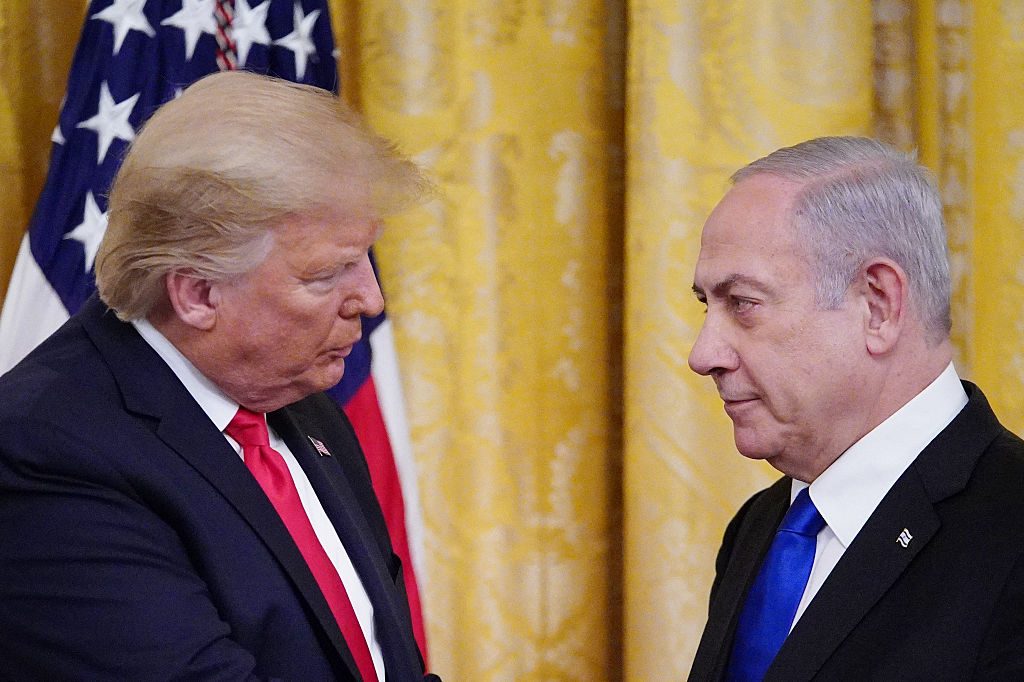
Benjamin Netanyahu probably can’t believe his luck. Two years after presiding over the greatest security failure in Israeli history, he has persuaded a US President to participate in a full-scale attack on Iran.
Bibi has obviously calculated that the Iranian retaliation against Israel, currently underway, would not prove too damaging. Time will tell if he has been too optimistic, but he would not have participated in the attack if he anticipated Israel suffering significant casualties. When Israel conducted strikes on Iran in June, they were sold to the public as unavoidable moves in an existential clash. But this latest operation is clearly a war of choice, with Iran posing no immediate threat to Israel, and not likely to do so for some time.
Nonetheless, he realised that it was now or never. Whoever takes over the White House after Donald Trump, be they Republican or Democrat, will be far less amenable to Israel than Trump, Biden or even Obama. Until last summer, Bibi was fearful that the best he could expect from any US administration was a negotiated deal with Iran along the lines of the 2015 Joint Comprehensive Plan of Action. As recently as this time last year, it seemed absurd that the US would sanction such an attack, let alone participate.
This was evident in Trump’s first administration, where the President was far more sceptical about strikes on Iran. In 2019, Trump defenestrated his Secretary of State, John Bolton, partly due to his desire for military strikes. When he returned to office last January, Trump went as far as to remove Bolton’s state-provided security detail, despite credible threats to his life from the Iranian regime.
His predecessor, Joe Biden, was not particularly supportive of Israeli foreign policy in the Middle East. In the days after October 7th, Biden opted to deploy his usual “bear hug” on Israel, providing support but also urging restraint. This restraint would not have been in evidence to people in Gaza, but it was still beyond credibility that Biden would have provided US assistance for an attack on Iran.
But now Trump is on board, and it’s unclear what persuaded the US President to attack Iran now. Netanyahu may have made limited concessions over Gaza, including ceding some Israeli control to Trump’s proposed “Board of Peace”. Nonetheless, it’s hard to believe that Bibi had enough leverage to be the sole reason that Trump took action on Iran. To take such a risk in terms of potential American casualties and his own standing with the anti-isolationists among his base indicates that this was Trump’s call.
Instead, the US President must be looking at how this benefits his administration. Since he won’t run again and has less than three years left, he wants to secure his foreign policy legacy. After the capture of Maduro, this remains another major pillar of that legacy that may only be augmented by regime change in Cuba. The attack on Iran, therefore, represents the pinnacle of Bibi’s statesmanship and his influence on US foreign policy. Yet, this may be a sign of a last hurrah for the US-Israeli relationship.
Just yesterday, Gallup produced a poll showing that for the first time, more Americans sympathised with the Palestinians (41%) than with Israel (36%). Only 12 months ago, those numbers were 46% to 33% in favour of Israel. Public opinion in America is shifting on the relationship with Israel, and will undoubtedly influence policy going forward. Recognising this, Netanyahu will have seen Trump as perhaps the last US President that he could hold influence over, and decided now was the time to act.
Whatever transpires in the Middle East over the next few days and weeks will only reinforce this trend. The strikes against Iran both herald the dramatic opening of a new, dangerous, and unpredictable phase in the broader Middle East conflict — and the final flourish of the Israeli-US security relationship.
