









8 April 2026 - 4:00pm
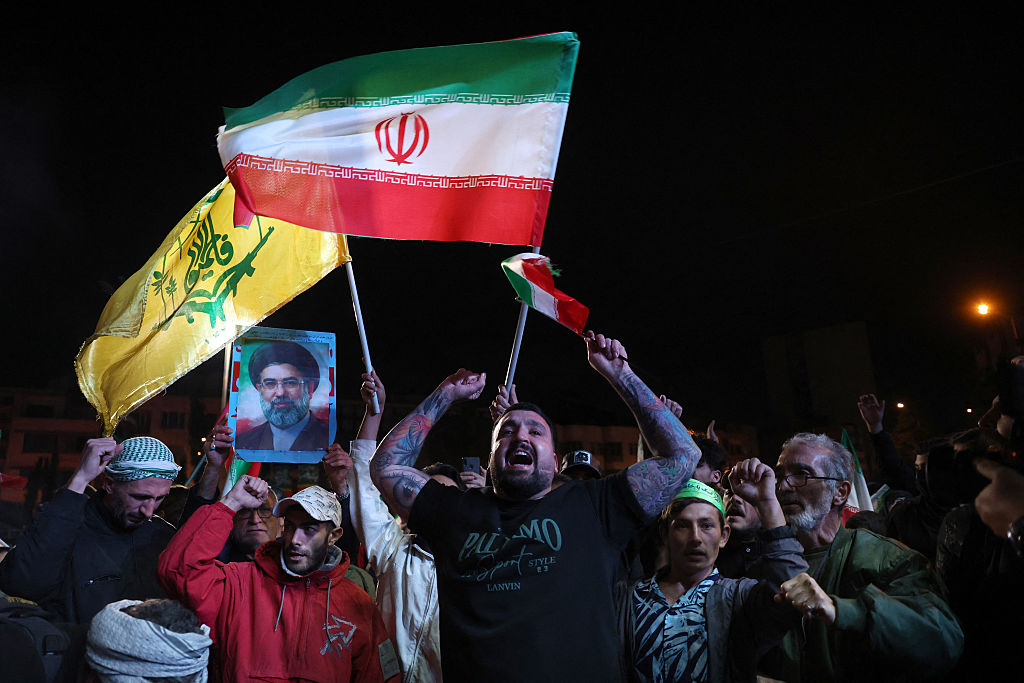
After the announcement on Tuesday night that Iran and the US had agreed a two-week ceasefire, during which time the Strait of Hormuz will reopen to maritime traffic, stock markets around the world celebrated. US shares rose nearly 3%, Germany over 4%, and Japan some 6%.
Still, some caution is necessary here. Although it’s clear that both the American and Iranian governments would prefer to end the fighting, the two sides remain very far apart in their stated demands for a permanent settlement. Meanwhile, the fact that on Wednesday the oil price fell below $100 a barrel, leaving it still more than 50% above where it was at the start of the war, reveals the scale of the damage that has been done.
What the future markets suggest is that traders expect it will be many months before prices return anywhere near pre-war levels — and that is on the assumption that the conflict doesn’t resume. In the interim, the strategic balance in negotiations appears to favour Iran. It will continue to “control” the Strait of Hormuz, in that it retains the capacity to target shipping once more and says it will charge tolls on any traffic which passes through.
JP Morgan’s back-of-the envelope calculation is that this mechanism could add as much as $90 billion to Iran’s revenue this year, which would amount to an astonishing 20% increase in the country’s GDP. Add to that the windfall it will receive from selling its own oil at the now-inflated price, and the Islamic Republic will potentially be generating several billion dollars a week in new income.
It’s reasonable to assume that much of that money will be used to rebuild Tehran’s stock of drones, something which — unlike US and Israeli weapons systems — can be done quickly. Meanwhile, the gasoline price in the US continues to rise, and there won’t be much relief at the pump for as long as oil prices stay around where they are now. All the while, Donald Trump’s polling is getting worse.
In short, Trump needs peace badly. And while the Iranian regime, its economy devastated by the war, can ill afford a return to the battlefield, it is arguably less willing to give ground in negotiations — not least because it doesn’t face elections in November.
The odds would seem to favour there being a permanent settlement to the conflict, if more on Iranian than American terms. Even then, the damage done will linger. In that regard, history may throw a bit of cold water on this week’s market euphoria. At the time of the 1973 Yom Kippur War and attendant energy crisis, the stock market held its ground until the ceasefire took hold, at which point it began falling — and ended up falling hard.
And if there isn’t a permanent settlement? Then, presumably, everyone will reassume their old positions, the blockage will return and the oil price will resume rising, only this time from a much higher base. A major global downturn would then lie ahead.
Ultimately, nobody can claim to have come out of this war a winner. The Iranian regime appears to have lost the least. But perhaps nobody loses more than the Iranian people, whose hopes of liberating themselves from a brutal regime are seemingly evaporating.
John Rapley is an author and academic who divides his time between London, Johannesburg and Ottawa. His books include Why Empires Fall: Rome, America and the Future of the West (with Peter Heather, Penguin, 2023) and Twilight of the Money Gods: Economics as a Religion (Simon & Schuster, 2017).
 jarapley