









27 February 2026 - 1:00pm
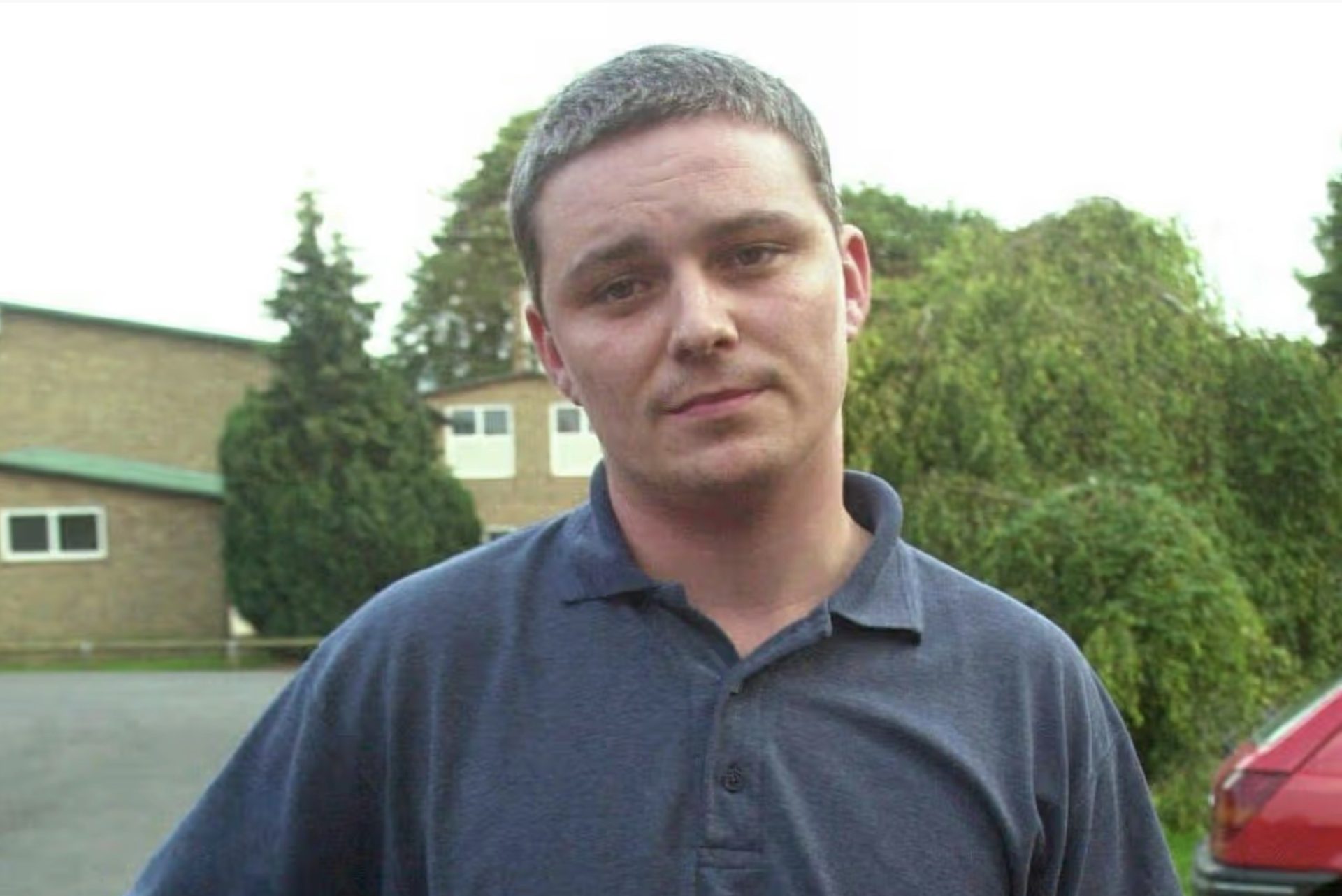
Ian Huntley, one of Britain’s most notorious child killers, is now fighting for his life after being attacked by another inmate at HMP Frankland in County Durham. He remains in hospital after the assault involving a metal rod yesterday morning. Should we care? Huntley is serving a 40-year sentence at HMP Frankland for the horrific murders of 10-year-olds Holly Wells and Jessica Chapman in Soham in 2002. Yet it is not Huntley’s squalid life on which we should be reflecting, but instead the state of supposedly high-security prisons where such extreme violence is becoming worryingly frequent.
Frankland holds around 800 prisoners, including some of the most dangerous offenders in the country. Terrorists, serial killers and gangsters are distributed among the population, with special units set aside for the most violent inmates. Operating a safe regime in these conditions is an extraordinarily complex task. In the last few years, there have been several attacks on uniformed officers by high-risk prisoners. Convicted terrorist Hashem Abeidi is facing multiple attempted murder charges for assaulting staff using improvised weapons last year. In 2024, a police officer visiting the establishment was critically injured when he was stabbed by a prisoner. Safety lapses that enabled these incidents, including the attack on Huntley this week, also put people in uniform who look after prisoners on our behalf at lethal risk.
Huntley had previously been attacked at Frankland, when in 2010 another prisoner slashed his throat. The assailant, Damien Fowkes, had already killed another child murderer in custody and fears were raised then about the ease with which prisoners could manufacture lethal weapons. Huntley has the largest of bull’s-eyes painted on his back in one of the most surveilled pieces of real estate in Europe. The question must therefore be asked: how could an attack like this happen?
Prison officials will argue that such incidents are inevitable in a place that is saturated with hyper-violent impulsivity, where 800 offenders are crammed together with decades of incarceration ahead of them. But what we know is concerning. Prisoners coming together in workshops in high-security prisons are supposed to be rigorously screened, searched and supervised. The reasons are obvious: the availability of weapons and targets in places where notoriety or personality clashes can result in murder.
The attack on Huntley indicates a serious risk-management failure, given that Frankland is festooned with CCTV cameras. Officers supervising the workshop will carry body-worn video. Security intelligence files and assessments will be available. Is it possible that pressure to meet targets to involve prisoners in “purposeful activity” overrode safety measures? All of this must be explored during the trial and inquest to follow.
More important than Huntley’s fate is what this attack says about the welfare of prison staff. Britain’s high-security prison estate is becoming ever more violent. Prisoner-on-prisoner homicides are up, as are assaults on staff. Following the 2010 attack on Huntley, the Prison Officers’ Association argued for stab vests to be issued to its members. Now, 16 years later, the Ministry of Justice is still unable to say when all high-risk officers will be kitted out with this basic protective equipment. Ministers fall over themselves to praise prison officers for their routine bravery working out of sight, out of mind in places like HMP Frankland. This attack shows the gap between the rhetoric and the reality.
Ian Acheson is a former prison governor and author of Screwed: Britain’s Prison Crisis and How To Escape it.
 NotThatBigIan