









19 Nov 2026 - 10:00am
Fellas! Is your missus doing your head in? Do you find yourself watching porn at your desk in an open-plan office because sex with her has become so boring? Are you ready to get radicalised, but only have two days in which to do it? Then what you need is a magic manosphere mentor, helping you release all that misogyny in record time (intermittently talking like a character in The Sweeney comes as an added bonus).
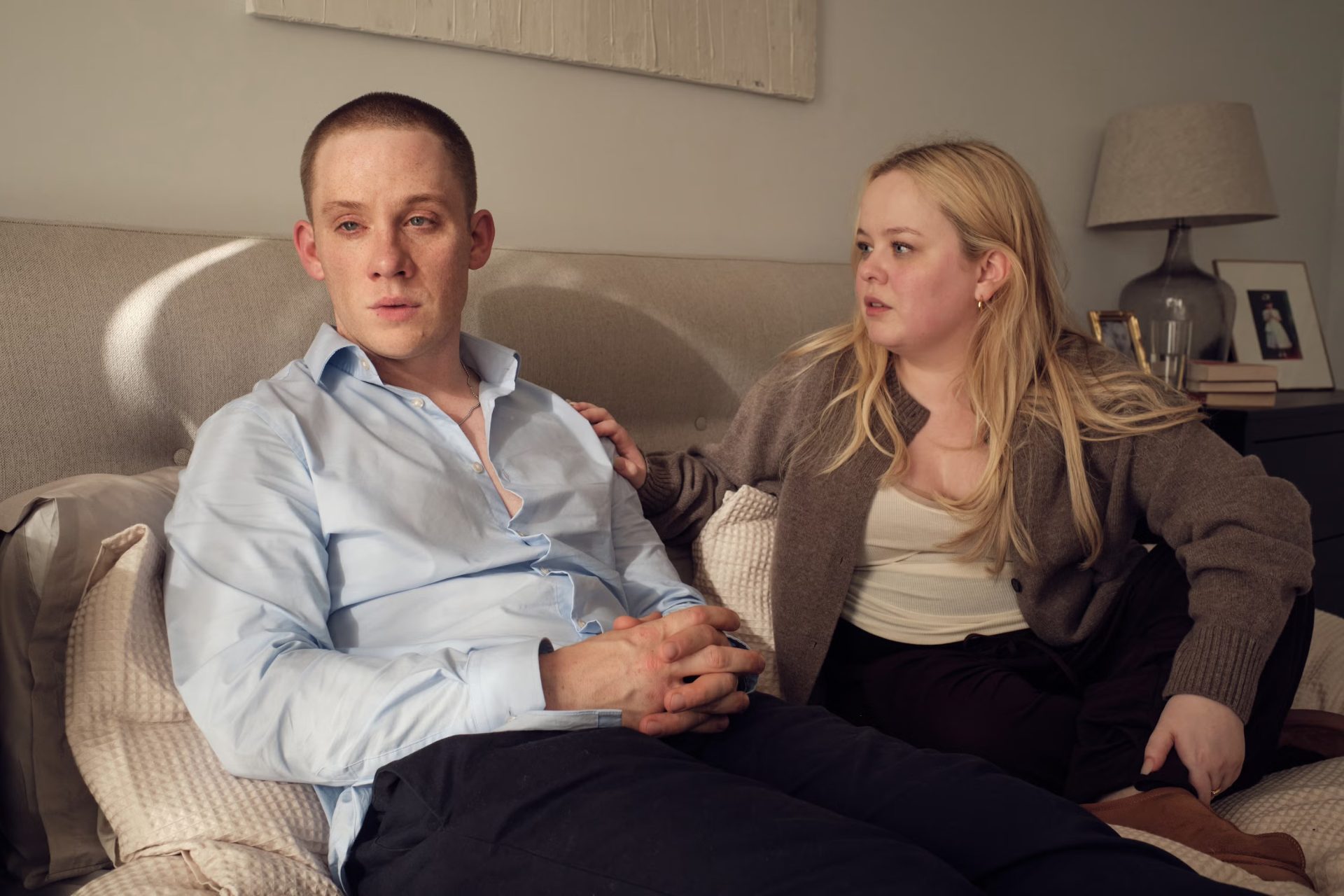
Dominic Savage’s two-part drama I am Helen, which appeared on Channel 4 this week, is an excellent study of domestic abuse, but deals awkwardly with political themes. Nicola Coughlan plays Helen, whose partner of five years, Steve, never hits, rapes or threatens to kill her — and yet you feel he could do any of these things at any moment. Coughlan is brilliant, managing to portray someone who is simultaneously manipulated yet never in any doubt as to what is happening to her. We watch as the contradiction erodes her sense of self, long before fears for her physical safety set in.
The problem is that Steve’s transformation into an abuser in the first episode is very odd. As Helen tells him, “You’re acting fucking mental… This is fucking weird.” This happens during a scene in which we learn that several events — Steve trying to choke Helen during sex, masturbating at work, finding his manosphere mentor via said masturbation, demanding Helen has a baby and suddenly getting cross about “his woman” wanting a career — have happened over the course of two days. We later learn there were earlier “signs”, but there is still a feeling that things have been forced into a particular narrative — and indeed political — template.
As was the case with Netflix’s Adolescence last year, a specific contemporary concern — incels, or in this case the manosphere — both under- and over-explains. It’s not that seemingly “nice” boyfriends and husbands don’t get driven insane by porn and online misogyny. With Steve, though, there’s no sense of how this blends with the person he was before.
This is a shame, because so much else in I am Helen is wonderfully observed. Once viewers have accepted what Steve has become, the way in which he flips from apologies to defensiveness to self-pity is incredibly convincing — and horribly familiar. His complaints about not being listened to and never being “allowed” to speak are framed in such a way as to show how they are actually being used to silence Helen.
Helen’s conversation with a women’s health worker, in which she finally describes the abuse but still has to leave the clinic alone, is deeply moving. The broad-daylight menace of the programme’s second episode captures the way in which seemingly innocuous or “loving” actions can be terrifying in the context of an abusive relationship. There is one scene towards the end in which you are willing Helen to escape, yet if you were to describe what Steve is actually doing, it could sound like nothing. There is great value in seeing that conveyed so well on screen.
The manosphere and radicalisation are real, but there was no need to shove them in here, at least not without more space. As a study of a relationship, I am Helen didn’t need clumsily inserted political themes. At a time when it is controversial to explore the roots of misogyny, it can be easier to brand it. Sometimes, though, it can be enough simply to show it.
