









8 September 2026 - 6:00pm
On Wednesday, Hunter Biden plans to do what even Donald Trump hasn’t: turn his personal computer into a cryptocurrency. His new $LAPTOP memecoin will have a supply of one billion tokens, 30% of which will belong to its founders — including Biden himself. Another tranche will be airdropped to his Substack subscribers, followers of the YouTuber Andrew Callaghan, and people who lost money investing in Trump’s own memecoin. It is part speculative asset, part class-action settlement and part rewards programme for people who have spent too much time online.
The obvious conclusion is that the ex-president’s son has finally discovered how to monetise being Hunter Biden, an apparently renewable national resource. But $LAPTOP is also the latest evidence that parts of the Democratic Party are absorbing the deeper lessons of Trumpism. Hunter Biden, Gavin Newsom and, to a lesser extent, Michigan’s Abdul El-Sayed aren’t perfectly ideologically aligned, but all three are going around the institutions that once mediated political life — party organisations, mainstream newspapers and television networks — in favour of podcasts, Substacks, influencer collaborations, memes and merchandise.
Newsom has also spent the past 18 months performing a blue-tinted Trump tribute act. The California Governor launched a podcast last year where he held conspicuously cordial conversations with Charlie Kirk and Steve Bannon. He adopted Trump’s all-caps posting style, circulated AI-generated memes depicting himself as an action hero, and opened a “Patriot Shop” selling red hats and other MAGA-parody merchandise. Inevitably, he even teased — but never released — a “Trump Corruption Coin”. It is Trumpism as reconstructed by a Democratic consultancy: the same relentless flood of content, but delivered in air quotes so that Newsom can appear in on the joke.
El-Sayed, the former public-health official who narrowly defeated establishment favourite Haley Stevens in Michigan’s Democratic Senate primary last month, reached voters through YouTube, Twitch and a growing network of progressive shows and personalities, including streamer Hasan Piker. “I go on Fox News, I go on podcasts, I Twitch stream,” he explained during the primary. In one campaign video, he stood before a massive American flag while describing his anti-war economic populism. When, during a conversation with Tucker Carlson, podcast host Saagar Enjeti called the presentation “almost Trumpian”, Carlson corrected him: “Well, it is literally Trumpian.” It was not a criticism, as he added that he wouldn’t vote for the Republican candidate, Mike Rogers, at gunpoint.
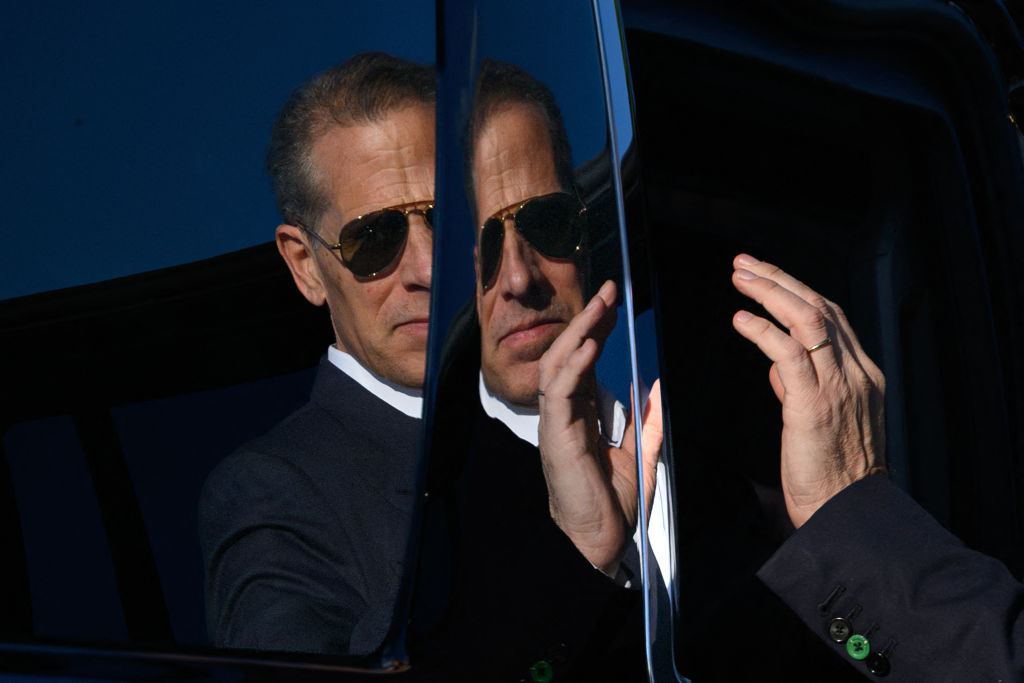
Hunter, meanwhile, supplies Blue MAGA’s missing ingredient: disgrace. Since resurfacing this summer, Joe Biden’s son hasn’t run from his crack addiction or sexual scandals. He has also joined X (“I’m Hunter Biden. You’ve never actually heard from me”), launched a Substack, sat down for an interview with Candace Owens, and conceded that he “may have to” run for president in 2028. None of this is a strategy in any sense the DNC would recognise. Still, it proves Hunter is arguably the furthest along in his own Trumpian journey, in which the politician is simultaneously candidate, content creator, grievance merchant, and — yes — product.
Since 2024, liberals have talked endlessly about finding their own Joe Rogan, building an alternative media ecosystem and learning to “fight like Republicans”. But it’s clear that some Democrats are learning they don’t need a Rogan: Trump’s genuine innovation was proving you don’t require a party or reliable institutions, only star power. However, the danger of copying Trump’s style — even ironically — is that, after enough rambling podcasts, merch drops and memecoins, the distinction between these Democrats and MAGA starts to look theoretical.
