









2 October 2026 - 10:00am
The fascination that China holds for English culture seems to be growing. The country has long held the perception that England still offers a particular quality and prestige in its historic and cultural life. Chinese students, for example, are something of a saviour for many second-ranking English private schools. While British families may jib at paying six figures per year for their children to attend a school often no better than the local academy, Chinese families are — in surprising numbers — apparently taking one look at the wisteria, the strict regimen and the uniformed existence, and shelling out.
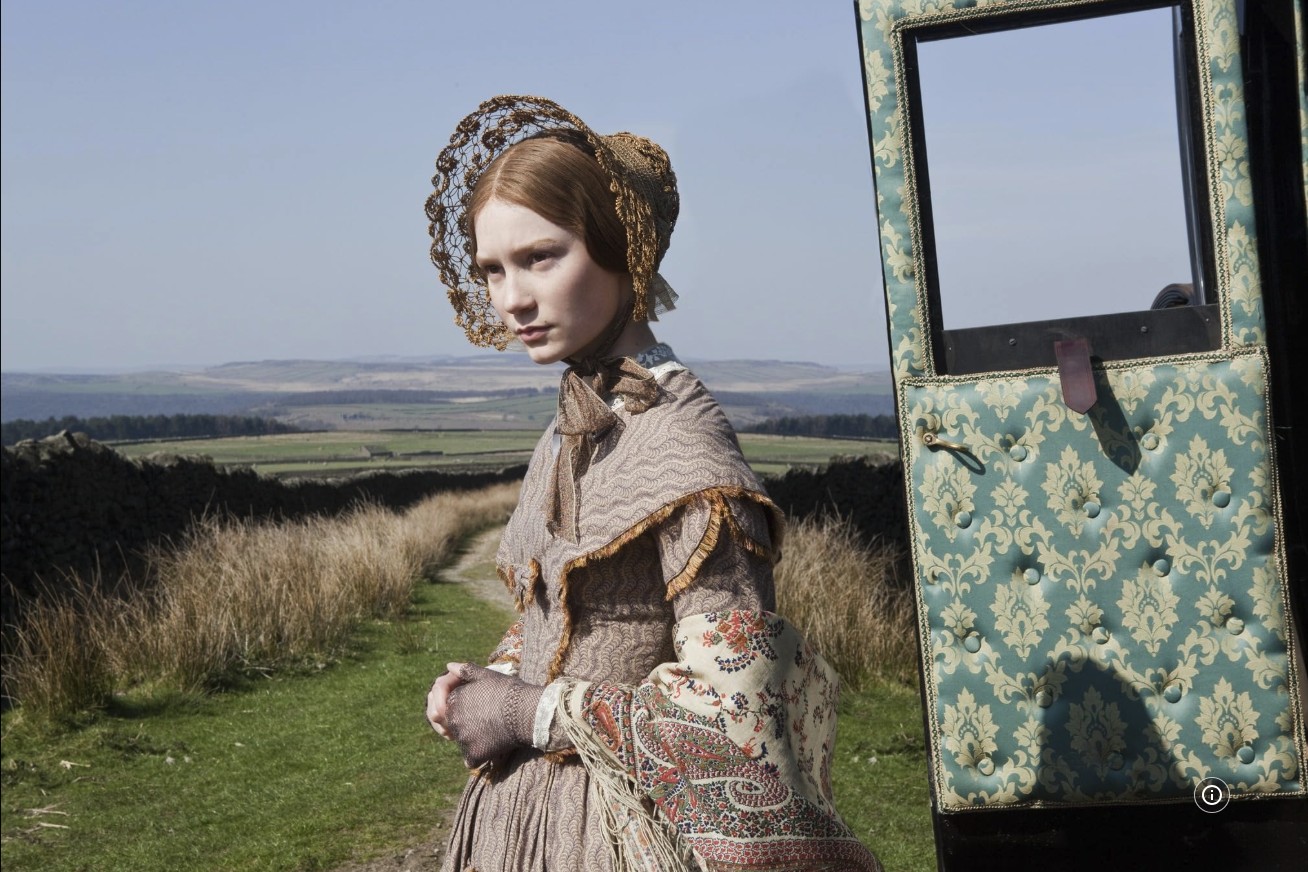
But even the stay-at-home Chinese students have been required to fall under the spell of British culture. The great Victorian novel Jane Eyre has just been made a compulsory text for 14- and 15-year-old students across the country. The official Chinese Communist Party-backed newspaper in Beijing explained that it was being imposed because “the innocent, budding stage of first love is a crucial period for shaping a well-rounded personality.” Some commentators have wondered whether the undeniable hotness of Charlotte Brontë’s novel might be being used to encourage a bit more enthusiasm for sex among young Chinese people. After all, the next generation of hard workers has to come from somewhere.
Meanwhile, much of the British teaching profession appears to have given up on persuading their students to read Jane Eyre — too long, too lacking in relevance, too complicated for both teacher and student. We might have feared that this great novel’s life was coming to an end. It made an enormous impact when it was published in 1847 — unlike many great Victorian novels, it wasn’t serialised, and it hit the astonished reading public all at once. Since then, it has been a gateway to classic literature for generations of readers, though its centrality to English curriculums has declined.
But do the Chinese quite know what they are doing? Jane Eyre is, above all, the story of a weak and apparently vulnerable person taking decisive action against authority. Speaking to her cruel guardian Mrs Reed, the child Jane says: “If anyone asks me how I liked you, and how you treated me, I will say the very thought of you makes me sick, and that you treated me with miserable cruelty…How dare I [say that]? Because it is the truth.” Much later, visiting Mrs Reed on her deathbed, she asks a pointed question in reference to herself: “Why do you hate her so?”
The Chinese authorities have said of Jane Eyre’s appearance on the curriculum that “it’s better to help [children] establish a value system by reading a timeless literary classic.” And so it is: the encouragement that Brontë offers — to speak truth to oppression and to fight for one’s freedom of action and thought — represents a value system that will sustain a lifetime. Is it the same value system that the CCP endorses, however? China ranks 178 out of 180 in the World Press Freedom Index. Last month, the pro-democracy campaigner Joshua Wong, already serving a sentence lasting over four years for “subversion”, pleaded guilty to “collusion with foreign entities”, a charge that carries a punishment of life imprisonment. The very thought of how the Chinese authorities treat thousands of citizens like Wong ought to make us sick, like Mrs Reed’s treatment of Jane on an industrial scale.
It should provide some hope, though, that Chinese officials have done something without meaning to. They have given a hand grenade to hundreds of thousands of young people — a book that explains the duty to rise up against oppression, and the duty to ask the oppressor a question, as Jane Eyre does her guardian, that never has an answer: “Why do you hate me so?”
Philip Hensher is the author of 11 novels and a Professor of Creative Writing at Bath Spa University. His new book, A History of the Novel in Britain, will be published by Pelican in September.
 PhilipHensher