









9 October 2026 - 7:40am
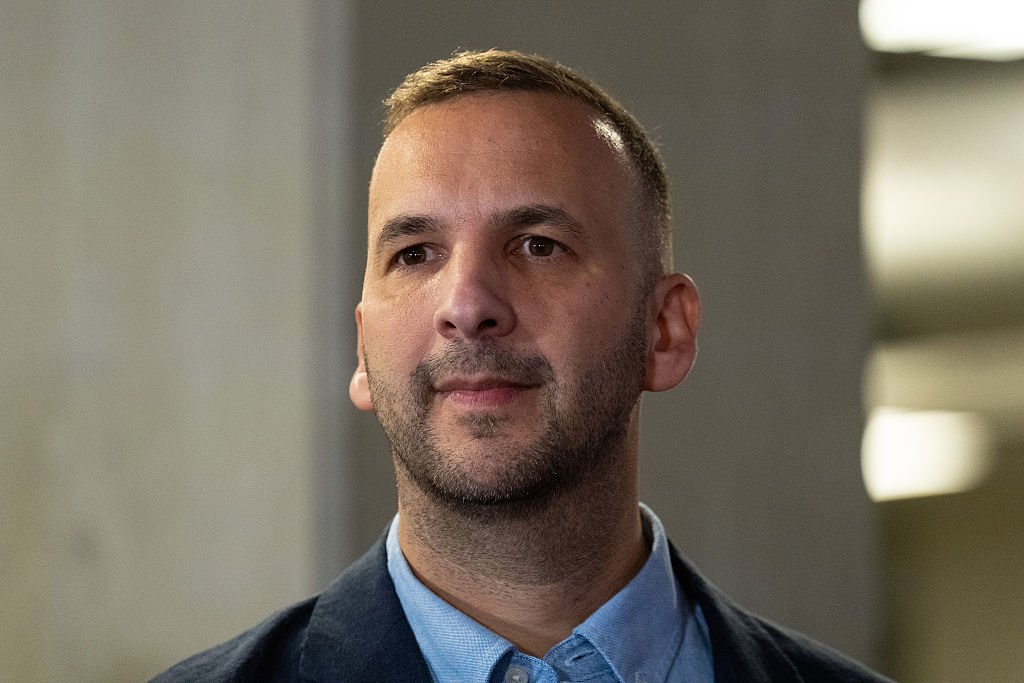
The dust has settled on the Holborn and St Pancras by-election, and the message is clear: Polanskimania is over. Labour’s Sagal Abdi-Wali won with 45% of the vote, compared with Green Party leader Zack Polanski’s 33%. The contest followed Keir Starmer’s resignation as an MP last month, and the Greens went into it bullish about their chances, with Polanski talking up the prospect of a historic upset.
This seemed strange on the face of it, given that the party won just 10% of the constituency vote in the 2024 general election. But add the 19% won by independent candidate Andrew Feinstein, who campaigned against austerity and on Gaza, and the potential pool of Green voters suddenly looked much larger.
Instead, the Greens have had a bad night. While their vote share increased by 22.4 percentage points, Polanski finished only 3.5 points above the combined Green–Feinstein share from 2024, with a similar decline in Labour’s vote. These voters were not automatically transferable, but Feinstein was fishing in much the same pond. The result hardly matched the breakthrough in Gorton and Denton earlier this year.
This is a good win for Labour. By-elections offer voters the chance to give the governing party a bloody nose, but the Greens failed to mobilise enough of them to deliver an upset: turnout fell by 15.4 percentage points, compared with just 0.4 in Gorton and Denton. The Green wave seems to have well and truly crashed.
The party’s difficulties extend beyond this contest. By July, YouGov put the Greens net favourability at -23, down from +5 before Polanski became leader. Then there is Polanski himself: Opinium puts his net approval at -22, level with Nigel Farage, against +8 for Andy Burnham. The party has acquired a larger audience, but many voters evidently dislike what they see.
Last weekend’s conference motion declaring Zionism a form of racism has compounded that problem. Four of the Greens’ five MPs publicly opposed it; former co-leader Adrian Ramsay faced repeated questions about quitting before insisting he had no intention of leaving. These are hardly the headlines a party wants days before a crucial by-election.
That should prompt an uncomfortable reassessment of Gorton and Denton, as well as May’s local victories. How much support represented enthusiasm for the Greens, and how much was an opportunity to punish an unpopular Labour leader? Burnham need not convert committed Greens. He needs to reclaim voters who lent them their support because they could no longer stomach Starmer.
Other challengers from the Left proved a damp squib. George Galloway’s Workers Party ran a low-effort campaign and won just 1.1%, less than half of Restore Britain’s share. That was still better than Your Party (remember them?), which fielded nobody, despite Jeremy Corbyn representing the neighbouring constituency and Zarah Sultana calling Burnham “the establishment’s last roll of the dice”.
Burnham will be happy. Abdi-Wali ran a positive campaign and gave the Greens space to implode, while the Greens seemed to forget Labour had a new leader and instead campaigned against Starmer. The demographic makeup of Holborn and St Pancras offered the Greens a plausible route to victory. Instead, their failure to win suggests a party settling around 10%, rather than the 15–20% force it threatened to become. Antisemitism controversies, a polarising leader and a more appealing Labour alternative mean the Green Party’s moment in the sun is turning cloudy.
The Polanski honeymoon is over, and pressure for Burnham to call an early general election will grow. The Greens must be wondering how much of their apparent breakthrough was down to anti-Starmer protest voting, as Burnham’s Labour has bounced back in the polls with evidence that the party’s losses to the Left can be reversed. This morning, the Prime Minister will have some of the hope he has been promising the nation.
