









6 July 2026 - 3:00pm
Zohran Mamdani recently misquoted Antonio Gramsci, claiming that the Italian philosopher said: “The old world is dying, and the new world struggles to be born. Now is the time of monsters.” The New York City Mayor attempted to use Gramsci as cover to call the American citizens involved in Aipac “monsters”. The oft-mangled line, which appears in Gramsci’s Prison Notebooks, actually reads: “The crisis consists precisely in the fact that the old is dying and the new cannot be born; in this interregnum a great variety of morbid symptoms appear.”
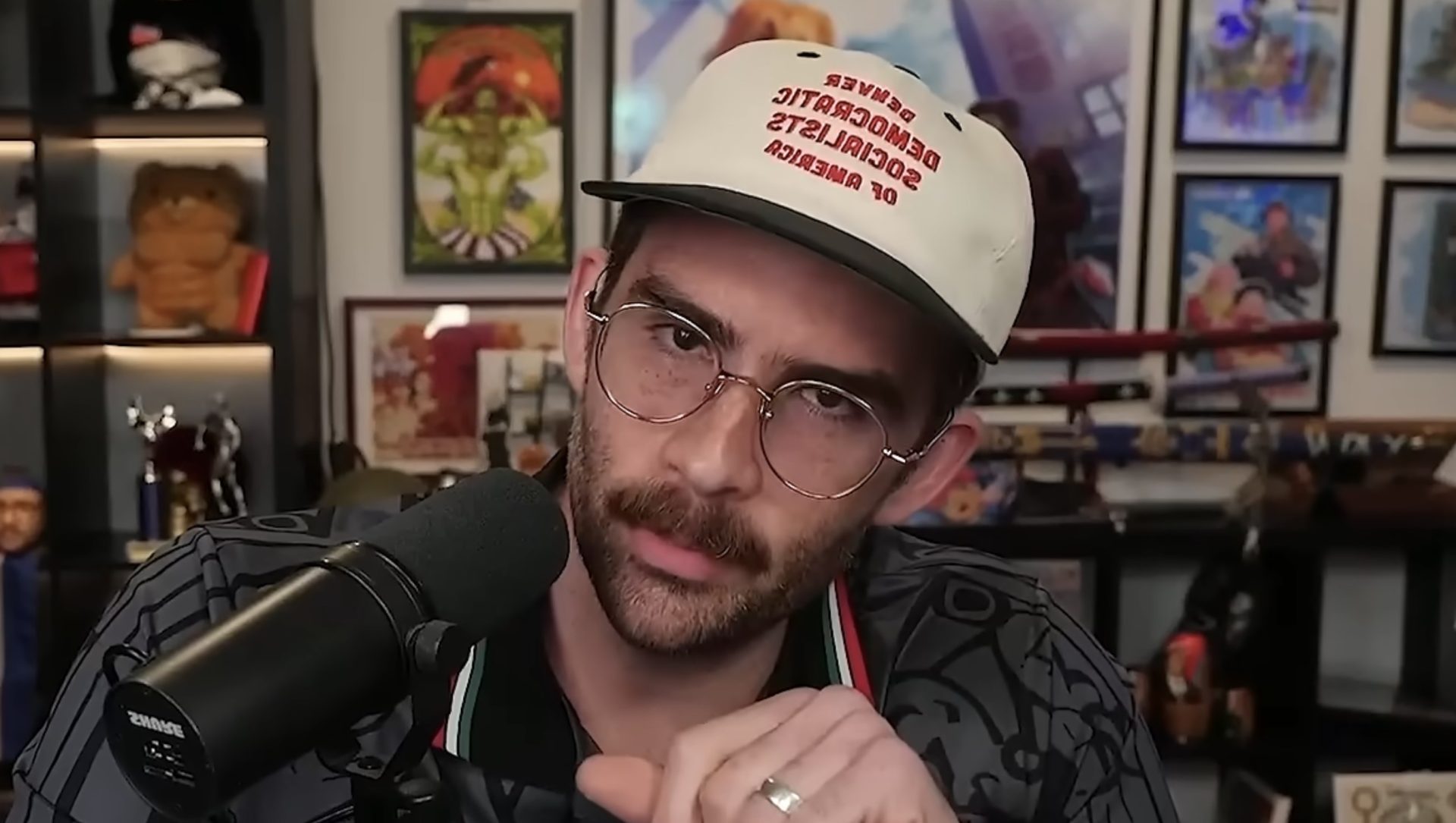
One of the morbid symptoms of a political culture that is suffering from severe forms of narcissism and anti-intellectualism is the rise of the streamer, including Mamdani’s political ally Hasan Piker. These are the personalities who spend hours livestreaming on social media channels such as Twitch and YouTube, talking to fans, often delving into political subjects. According to various reports, Piker’s fanbase made over 100,000 calls on behalf of the recently victorious Democratic nominee for Congress in Denver, Colorado, Melat Kiros. His audience also made thousands of calls in support of the Democratic Socialists of America candidates who won primaries in New York.
Piker is the Left’s answer to Nick Fuentes, the latter being an unapologetic white supremacist streamer who has become increasingly influential in Right-wing politics. Both are highly critical of Aipac and “Zionism“, blaming them for the corruption of American politics.
Bigotries aside, the influence of the online streamer will turn politics into something more divisive and nonsensical. Streamers, unlike organisers who respond to communal concerns, rarely, if ever, work with voters desperate for help navigating a massive and broken system. They aren’t in the street. Piker, supposedly a Marxist revolutionary, communicates mainly with a screen inside his California mansion.
Compare the isolation of their lives with the old model of voter turnout, at least in Democratic politics. It wasn’t too long ago that the most influential forces for increasing turnout were actual organisations with members who had their feet on the ground in the communities where voters lived. The best examples of this were black vote and civil rights organisations, such as the NAACP, the National Urban League, and Jesse Jackson’s Rainbow/PUSH Coalition. These organisations would closely coordinate with black churches and more local groups to reach people by responding to their stated concerns.
The rise of the streamer will lead to the prioritisation of luxury beliefs. Kiros and the DSA candidates of New York are perfect examples. Their main issue is Israel — a country the size of New Jersey located thousands of miles away from their respective districts. Is it any wonder that, according to exit polls and demographic data, the low-income constituents — especially blacks and Latinos — whom they claim to represent hardly voted for them?
New York Attorney General Letitia James, who endorsed Mamdani in his run last year, recently turned on the Mayor for his support of the DSA primary challengers. “The candidates that he has supported are individuals who do not understand the politics of New York City,” she said, pointing to “the cultural differences from district to district, who have not been part of the history and the struggle of some of these districts, and are relatively new to the body politic”.
The candidates know very little about what voters who don’t interact with the world through a screen actually want. The people on the screens know even less.