









2 June 2026 - 4:15pm
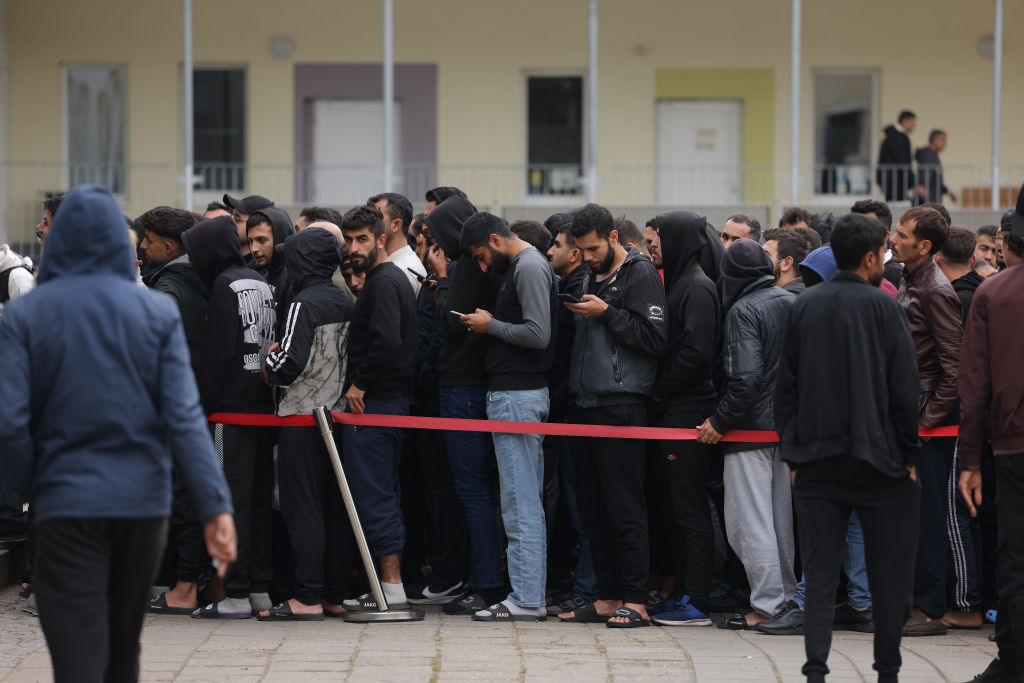
Asylum seeker applications in Germany have dropped to their lowest level since 2012, excluding Covid years, according to government statistics. Just 5,556 asylum applications were made in May, marking a 30% fall compared with the same month in 2025 and a 75% drop from 2024.
German Chancellor Friedrich Merz has repeatedly pledged to bring down both net migration and asylum seeker numbers. When campaigning during last year’s general election, he called for stricter border controls in Germany, including closer monitoring of those crossing from neighbouring countries. After winning the election, Merz pledged to bring asylum seeker applications to under 100,000 per year during his chancellorship.
Merz has also been critical of former chancellor Angela Merkel’s migration policies, suggesting last July that her government had “failed” in this regard. Under Merkel, Germany experienced a large increase in asylum seekers, characterised by the Wir schaffen das (“We can do it”) policy — an active attempt to draw in migrants and asylum seekers. This policy saw roughly 890,000 asylum seekers come into Germany in 2015 alone, with over a third fleeing the Syrian civil war.
Other European leaders have also taken a harder line on immigration into the continent. Last year, Polish Prime Minister Donald Tusk rejected the EU’s Pact on Asylum and Migration, which would have required Poland to accept additional migrants as part of a bloc-wide effort to redistribute asylum seekers across member states. Italian Prime Minister Giorgia Meloni has also spearheaded a push to rethink the approach toward asylum seekers and migrants in the EU, in particular urging reconsideration of aspects of the European Convention on Human Rights that deal with migration.
The Right-wing opposition party in Germany, the AfD, has pledged to push for lower net immigration and a reduction in asylum seekers, but also to promote “remigration”. This would involve deporting those who are settled in Germany and have passed the initial visa process. The AfD has occasionally been supportive of Merz’s asylum policy, indicating that it would vote alongside the Chancellor if the scheme were to bring down asylum numbers.