









7 April 2026 - 4:00pm
A so-called “masculinity crisis” is emerging in British schools, marked by increasing misogynistic abuse towards female staff. At the same time, adolescent males are growing up without role models, with a recent report by the Centre for Social Justice showing that white working-class boys remain the worst performing group in England’s schools. Youth clubs are fast disappearing, male volunteering in sports is declining, and technology has filled the gap.
Previous generations of working-class boys could look to their fathers and grandfathers and decide whether to emulate or reject them. Now that boys are “more likely to have a smartphone than a dad”, it is almost a luxury to have a father at home. With 2.5 million children in the UK living without a father figure, the sociological impact is shaping our lives.
Sometimes, broad generalisations help us see the bigger picture. Fathers often bring rough-and-tumble play, physical stimulation, and the development of gross motor skills. They tend to encourage risk-taking, push children to test limits, and foster independence. As boys become men, fathers can teach them how to manage relationships with women, as well as any increased aggression that may accompany rising testosterone. Fathers are more likely to emphasise boundaries, decisiveness and clarity, orienting the child towards the wider world of competition and performance.
Mothers often provide tenderness, sensitivity, and care. They are more likely to attune closely to a child’s emotional state, and create consistency and routine. Mothers tend to encourage verbal expression, emotional understanding, and a strong relational focus, helping the child feel secure and connected.
A useful way to think about it is that fathers often encourage children to reach outward, while mothers tend to provide an inward anchor. These are general tendencies rather than rules, and there are many exceptions, but recognising broad patterns can illuminate what children need to thrive.
Girls are now outperforming boys at every level, with young women earning £2,200 more on average, at least before children enter the picture. With 75.6% of teachers being female, combined with a lack of male volunteers and the widespread absence of fathers at home, many boys are growing up with very little exposure to masculinity in their physical lives.
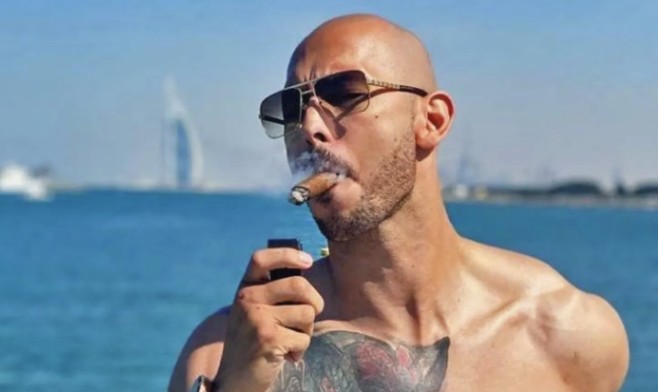
The online world fills that vacuum. Netflix’s Adolescence suggested that even a well-adjusted boy could be pulled into murderous behaviour through online influence. Louis Theroux’s Inside the Manosphere showed something similar, where hyper-masculinity slid into something notably more toxic. Figures including HSTikkyTokky, Sneako and Myron Gaines demonstrate in Theroux’s documentary how a crude and nasty attitude to women can attract millions of views and substantial income. Andrew Tate is not an outlier: there is now an entire ecosystem feeding boys a version of masculinity that is demeaning, performative, transactional, and detached from real life.
Where are the healthy male role models for boys? What should an ordinary boy aspire to be? When strength and stamina are valued only in the gym and nowhere else, it is no surprise that boys gravitate towards figures like Tate. It becomes one of the few places where they can test themselves as they move from boyhood to manhood.
The online world is largely disembodied. In real life our physical presence shapes interaction, and sex differences are instantly felt and understood. Online, those cues are flattened. The result is a grotesque distortion of manhood and womanhood — just look at the porn industry.
We all know that “you can’t be what you can’t see,” yet boys are growing up without a clear vision of what it is to be a good man. Boys need to see strong, decent men who are comfortable in themselves. Apologetic men who shrink from their masculinity do not help. Nor do the toxic male extremists found online. These boys need something solid to aim towards.
Stella O’Malley is a psychotherapist and bestselling author. She is Founder-Director of Genspect, an international organisation that advocates for a healthy approach to sex and gender.
 stellaomalley3