









13 April 2026 - 10:00am
Six weeks of war in Iran and Lebanon have left thousands killed, millions displaced, and hospitals, roads and homes reduced to rubble. The failure of US and Iranian negotiators to strike a peace deal this weekend suggests that the current ceasefire remains fragile. While media coverage has focused on missile tallies, oil market volatility and diplomatic manoeuvres, it has overlooked the humanitarian and environmental consequences of the conflict. That includes the seeds of a migration crisis which could destabilise surrounding countries and reach Europe if the war drags on.
In Lebanon, over a million civilians — almost 20% of the population — have been forced from their homes. Israel’s displacement orders now cover nearly 15% of Lebanese territory, and plans to establish a permanent security buffer zone make the prospect of return deeply uncertain. In Iran, UN Refugee Agency data from last month puts the number of internally displaced people at 3.2 million, with strikes pushing populations towards border provinces.
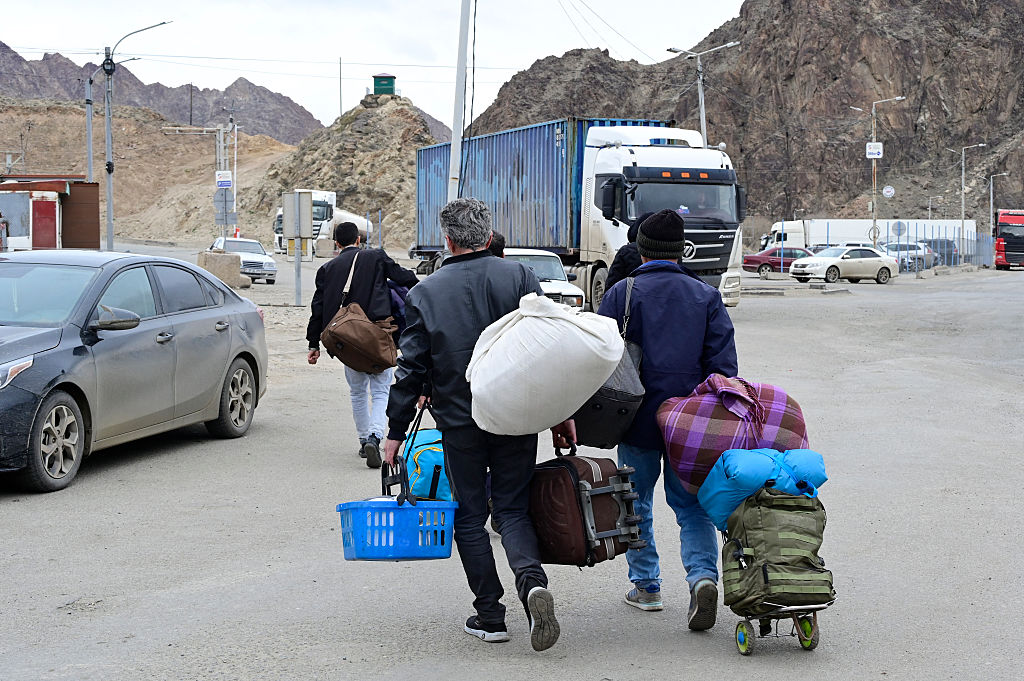
Cross-border movement is already underway: over 200,000 people have crossed from Lebanon into Syria, while tens of thousands have fled from Iran into Afghanistan and Pakistan. This can place additional strain on already fragile host communities, where the resulting pressure on housing, services, and jobs can quickly translate into social and political tensions. That’s particularly likely in places where displaced groups are viewed through the lens of existing ethnic or sectarian divides. Further destruction of basic urban infrastructure, such as electricity grids or water supplies, is also liable to produce sudden large-scale displacements, rather than the gradual flows which give host countries time to respond.
European officials have been engaged in anxious scenario-planning since the early days of the war, scarred by the memory of 2015 when over a million Syrians sought asylum in Europe from the civil war in their home country. The European Union Agency for Asylum has warned that even the displacement of 10% of Iran’s 92-million-strong population would rival the largest refugee flows in recent decades.
Last month, European Commission head Ursula von der Leyen wrote to all 27 EU heads of government, urging them to make full use of available migration diplomacy tools. Meanwhile, Magnus Brunner, the European Commissioner for Internal Affairs and Migration, has pushed member states to intensify preparations ahead of the June deadline for the new Migration and Asylum Pact, which officials are hoping will not face an early stress test.
Turkey, which a decade ago was the main transit route into Europe, moved quickly to signal it will not allow a repeat, hardening its border with Iran and preparing three contingency plans ranging from buffer zones to hosting 90,000 people in tent camps as a last resort. Turkey is already one of the world’s largest refugee-hosting countries; with anti-immigrant sentiment now embedded in domestic politics, its tolerance for another large influx is limited.
Mass refugee movements can take years to peak, though: after the Syrian Civil War began in 2011, it was another four years before migration into Europe reached crisis levels. How long the current conflict in the Middle East lasts will determine whether displacement figures remain a regional concern or become a European one too.
This is an edited version of an article which first appeared in the Eurointelligence newsletter.