









29 January 2026 - 4:00pm
Rape offences reached a record high level in 2025, according to new figures published by the Office for National Statistics (ONS). The total number was 74,265, up 7% from 69,492 the previous year.
The figures are based on police-recorded crime data, which the ONS says has become significantly more reliable in recent years. In 2014, inspectors found forces correctly recorded just 88.3% of rape offences; by the 2021–25 audit period, that figure had risen to 93%. The improvement reflects stricter recording standards and a methodological shift introduced in July 2016, when police moved from counting incidents to recording offences on a per-offender basis.
| Rape offences in England and Wales reached a record high in 2025 |
| Number of rape offences recorded by the police per year 2002-25 |
 |
Government data showed that overall sexual offences have increased by 8% in the past year, but cautioned that this was partly “because of the introduction of two new sexual offences subcodes within the ‘sexual offences’ subgroup in January 2024”. These subcodes relate to sending or sharing intimate photographs or films, following the introduction of the Online Safety Act.
The ONS also found that both stalking and harassment offences increased by 7% in the year to September 2025. Of the total of 214,816 sexual offences recorded by police, around 35% were rapes.
Elsewhere, the statistics revealed that there had been a sharp fall in violent offences. This included a 7% decrease in homicides, down to 499, and a 9% decrease in crimes involving knives or sharp instruments, down to 50,430. However, there was an increase in petty crime, with shoplifting rising by 5%, while the number of people experiencing or witnessing anti-social behaviour rose to 38%.
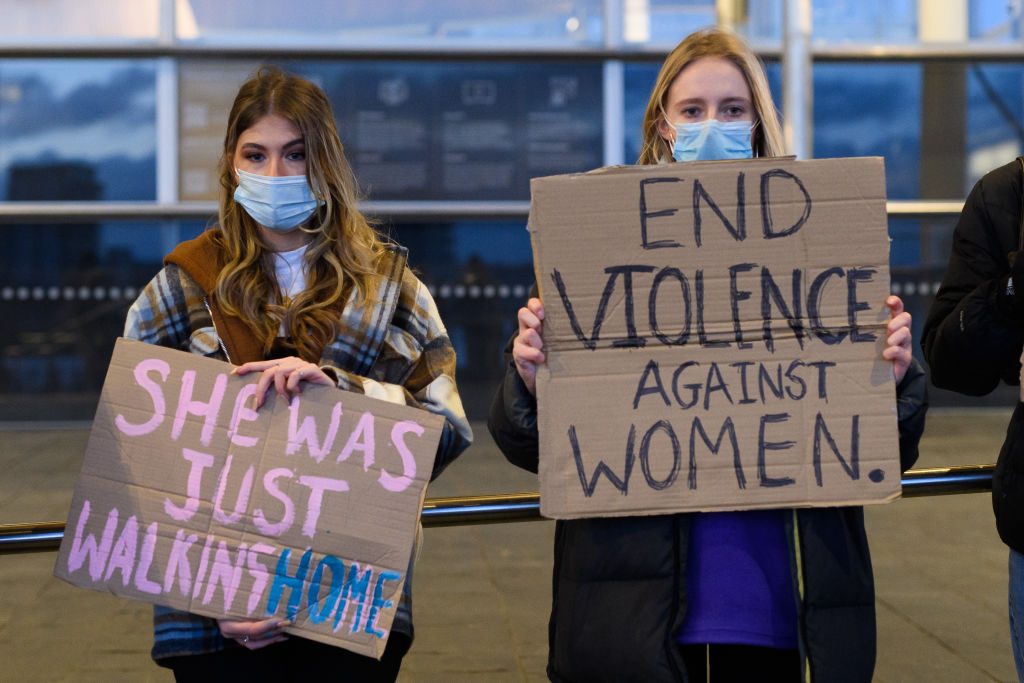
As part of its 2024 election manifesto, the Labour Party pledged to halve violence against women and girls within a decade. Currently, one in 12 women experiences violence or abuse every year. In addition, Labour pledged to establish rape and sexual offences teams in every police force, which would fast-track rape cases through the implementation of specialist courts at every Crown Court location in England and Wales.
In December of last year, Home Secretary Shabana Mahmood said that the Government planned to implement these specialist units in England and Wales by 2029, calling violence against women “a national emergency”. Labour also announced last summer that a national inquiry into the grooming gangs would be set up, having previously been against the idea. Grooming gangs have been widespread in the UK for decades, but since 2005 there have only been 264 convictions.
The inquiry will begin in late March and has been tasked with identifying failures by police forces which handled grooming gang cases, and recommending improvements for future cases. Police forces, such as those in Rotherham, have been accused of acting to “cover up” individual cases of grooming gangs, specifically after officers were involved.
Reform UK Head of Policy Zia Yusuf said that the party would impose whole-life prison sentences on child rapists as part of its policy on grooming gangs. In her previous brief at the Ministry of Justice, Mahmood also reportedly considered introducing chemical castration as punishment for those guilty of serious sex offences.