







 Prefer us on Google

11 May 2026 - 6:00pm
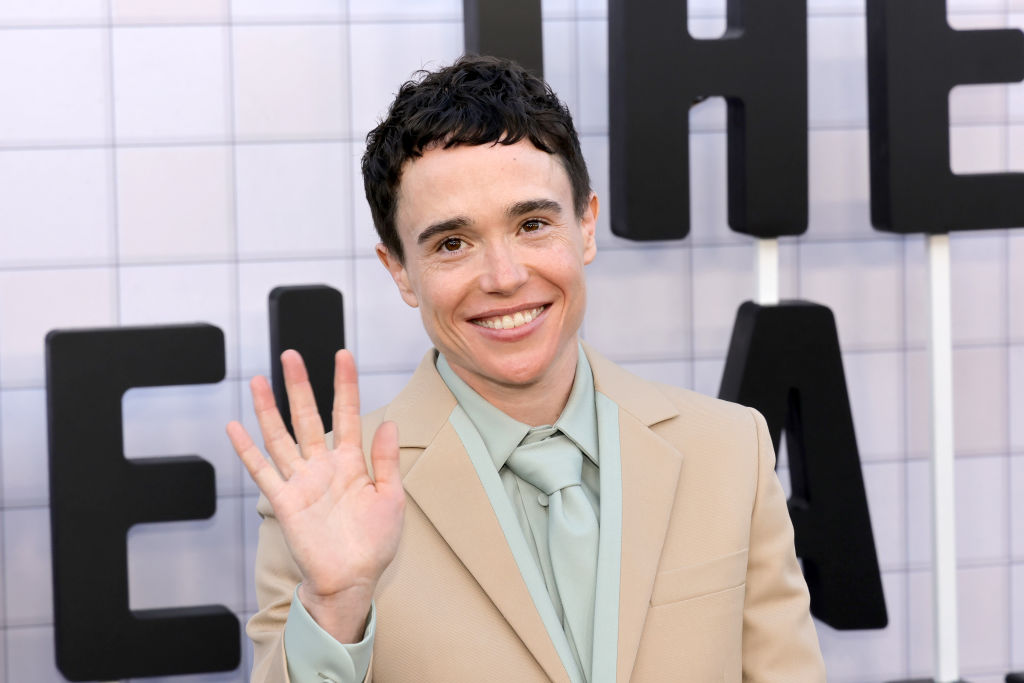
Over the weekend, a rumour spread online that Achilles, the grand hero of Homer’s Iliad, might be played in Christopher Nolan’s film version of The Odyssey by the trans actor Elliot (formerly Ellen) Page. Unsurprisingly, the reaction was swift and condemnatory.
Every time there’s even a hint about what this movie might be like, it is scrutinised by critics who seem determined to convict Nolan in advance of desecrating Homer’s great classic. First, there was alarm over non-white actors playing Greek characters — especially the rumoured casting of Lupita Nyong’o as the luminous beauty Helen of Troy, a choice that incensed Elon Musk. Then came last week’s trailer, which featured lines that some people found overly chatty; “My dad is coming home!” pouts Tom Holland as Odysseus’s son Telemachus. And now there’s Page.
To an extent, the sensitivity is warranted. Classics of the Western canon have certainly been belittled and defiled by their supposedly expert curators in the academy. A foremost offender is the University of Pennsylvania’s Emily Wilson, who introduced her overhyped 2018 translation of The Odyssey by denouncing “the gendered metaphor of the ‘faithful’ translation”. Nolan has signalled his preference for Wilson’s version, which is purposefully deflated and flippant in tone. This may account for the language in Nolan’s latest trailer.
The fear here is that we’re going to get a massive blockbuster version of the spiteful deconstructionism we see in books like Vassar professor Curtis Dozier’s The White Pedestal, classicist Donna Zuckerberg’s Not All Dead White Men, or Princeton professor Dan-el Padilla Peralta’s Classicism and Other Phobias. If so, then turning the Greeks’ finest man of war into an emaciated trans person would represent the ultimate insult.
However, we don’t actually know yet whether Page will be playing Achilles. Even if it is true, the choice might make better sense in context than some critics recognise. The key thing about Achilles in The Odyssey, as opposed to his grandeur in the Iliad, is that he’s been undone by death. He appears among the gibbering, blood-streaked ghosts that crowd around the living and beg for a taste of their lost existence.
Achilles in The Odyssey is therefore the drained shadow of an unmade non-man, yearning for the time when he was real and alive. His power sapped, he bitterly regrets the trade-off he made by dying young in exchange for immortal fame. “I would rather be a serf and till a poor man’s field,” his ghost says to Odysseus, “than rule among all the dead in their decay.” It’s part of Homer’s greatness that he both celebrates the glory of martial valour and undercuts it with this harrowing image of what happens even to the proudest fighters after they are slain: they turn into empty spectres, grieving the loss of their former selves.
They behave, in other words, a lot like those poor souls who go through gender transition and regret it, wishing they could recover the vitality of their natural bodies. If this is what Nolan has in mind by casting Page as Achilles, assuming he’s actually done so at all, it could serve as a daring commentary on the dark side of this industry.
Of course, it’s also true that Nolan could have made the catastrophic choice of producing a revisionist, anti-heroic Odyssey. We simply don’t know yet, and acting as if we do in advance will undermine even valid criticisms of the movie once it comes out. It will give the impression that lovers of the classics went into theatres determined to hate whatever they saw. Odysseus’s wife Penelope waited 20 years for him to come home. We can wait until July to determine just what Nolan has done with his story.
Spencer A. Klavan is associate editor of the Claremont Review of Books, co-host with his father Andrew of the Klavans on the Culture podcast, and author of the book Light of the Mind, Light of the World: Illuminating Science through Faith.
 SpencerKlavan