









6 October 2026 - 5:00pm
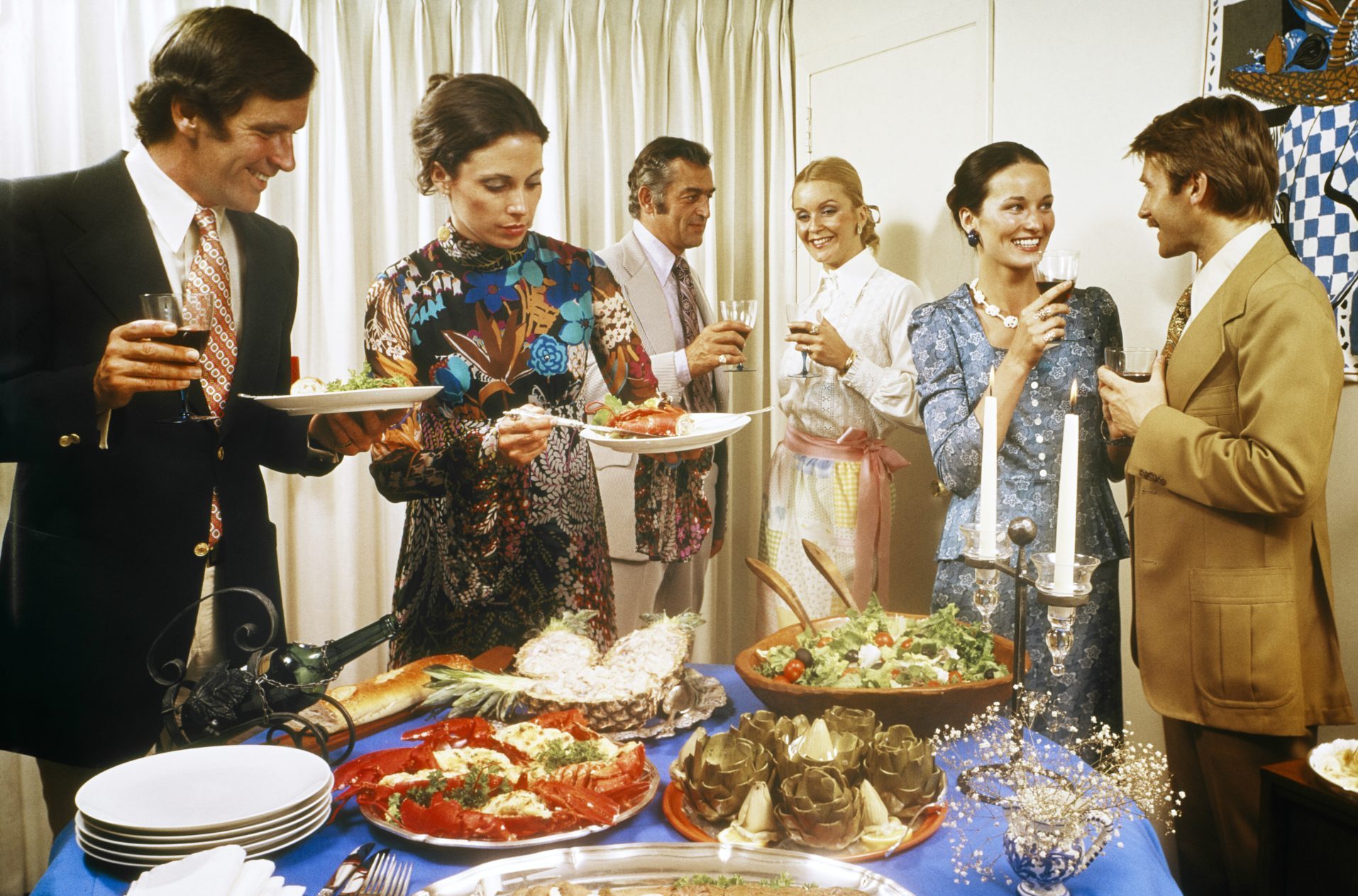
The numbers are in, and they’re devastating: the percentage of adults who regularly have a friend over has declined 70% since 1975, according to Derek Thompson, who did some fancy analysis last week based on DDB Needham Lifestyle surveys. Dinner parties in particular have been hard-hit. Between 1975 and 1998, the percentage of people who threw or attended a dinner party at least once a month declined by half. Today, 32% of Americans have not attended a single dinner party in the past year.
This decline, tragic though it is, is about more than food or friendship. The truth is that we have become less willing to give our time, effort and hospitality to the people around us.
Why might this be? For a certain type of person, a lot of work goes into throwing a dinner party. In an ideal world, a group of friends arrive at a sparkling-clean home to find an unharried host sitting beside the chips and dip at the kitchen island, ready to socialise. A pot of something delicious will be bubbling on the stove; the garnishes will be pre-chopped and waiting under plastic wrap; the sink will be free of dishes; and even the dishwasher will be empty, ready to swallow the dirty dishes at the end of the evening and spare guests the disquieting sight of domestic carnage.
Behind the scenes, the host has been cooking and cleaning for days, and has probably laid out a not-insignificant amount of money. That clean, candle-lit bathroom stocked with hand towels didn’t prep itself. Natural wine is $20 a bottle.
For other types, it’s more casual. The writer Laurie Colwin famously whipped up amazing meals in a studio apartment with no kitchen sink (she washed dishes in the bathtub) and served her creations to friends on a cigarette butt-scarred card table, unfolded for the occasion. The writers Iris Murdoch and John Bayley did even less, serving random assemblages of whatever was available, supplemented with packaged snack cakes and leftovers from the Oxford dining hall, and acting more like guests at their own parties, according to Murdoch biographer Peter J. Conradi. Cleaning would never have occurred to them.
And yet these hosts were offering something, too: their home, their charm, their time and attention, and the humility of not being perfect in front of peers. This kind of generosity might be an even greater gift.
Dinner parties, in other words, aren’t really about food, or even socialising. They are about giving to others. It is little wonder, then, that we have stopped throwing them in an era when generosity has become increasingly abstract and globalised. We give to causes and charities; we try to give back to the planet and the marginalised by fretting about plastic packaging and the sweatshop provenance of our T-shirts. What we rarely do is give gratuitously, and for the sheer pleasure of it, to the people immediately around us.
According to Thompson’s figures, between 1975 and 2026 the percentage of Americans who host friends and family in their homes at least monthly has fallen from 42% to 12%. And if you are one of those 12% who still host, you may recognise the imbalance. I’ve had dozens of people in my home in the past year, and probably hundreds in the past five. I could count the private-home dinner parties to which I’ve been invited on my fingers. Most likely, some small number of people are responsible for the lion’s share of the parties.
The social contract has broken down. Who can host if they are never to be invited to return? Who will keep giving, if the gift is not reciprocated? Some mystics and visionaries, for sure, but not the majority. The dinner party is dead. And, unfortunately, the guests deserved it.
