









11 June 2026 - 10:45am
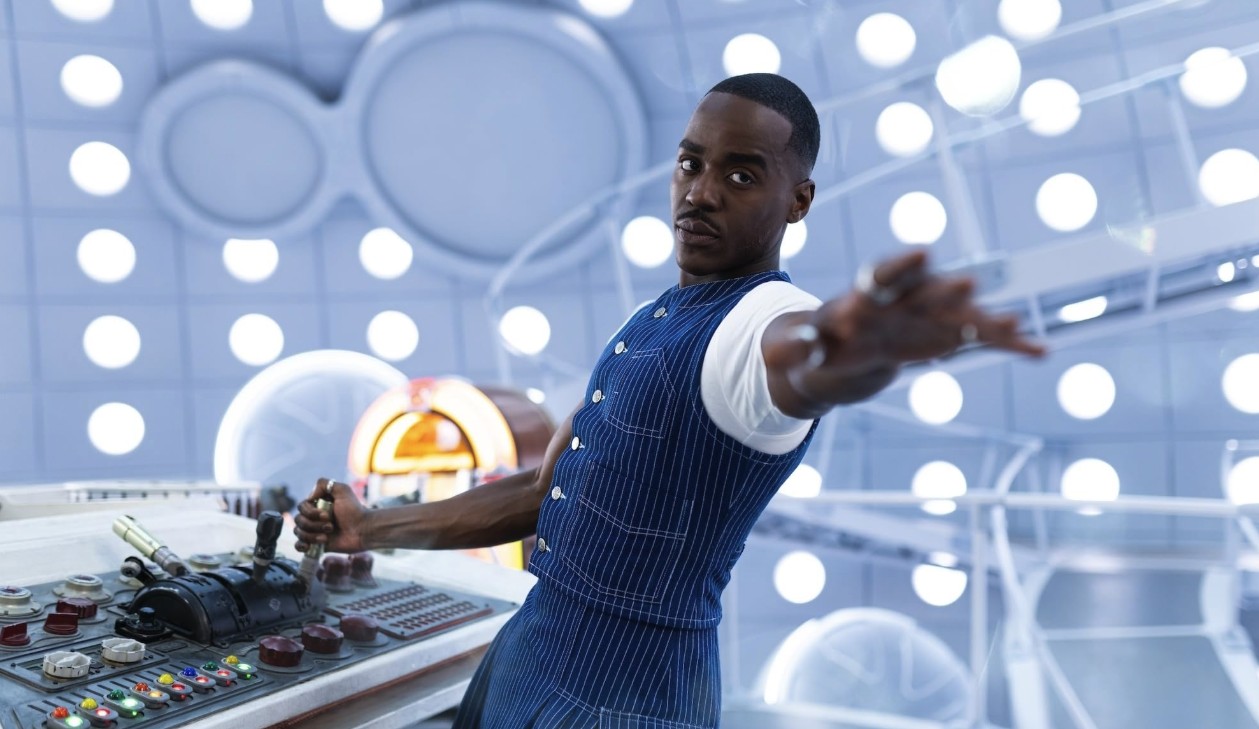
“Don’t watch. Turn off the TV. Go and touch grass, please, for God’s sake.” I sometimes wonder what Ncuti Gatwa was trying to achieve when he scolded Doctor Who fans for their entire objections to the weepy, preachy and hyperactive tone of recent seasons. At any rate, it was advice that many people took. Gatwa’s tenure saw the show’s ratings continue their inexorable decline. Some episodes in his final series drew fewer than three million viewers, a far cry from the glory days of the post-2005 revival, when episodes routinely drew three or even four times that many.
Now it has emerged that the decline is continuing further. Yesterday, the BBC announced that the planned Christmas special for 2026 will not be made. Russell T Davies appears to have pulled out as has the show’s production company, and there has been speculation that this is partly because few high-profile names want to play the role of the Doctor.
Reading between the lines of the BBC statement, with its talk of plans to “invest in the long-term future of the show”, Doctor Who might be headed for a sustained hiatus. This would not be unprecedented; it did not air at all between 1989 and 2005. But it’s clearly a tacit admission that Doctor Who is in something approaching a crisis. The behind-the-scenes creatives have been getting a great deal wrong for a long time, and the audience has noticed.
The decline comes within the context of tough times for the BBC. Increasingly outgunned financially and creatively by the streaming behemoths, its output feels derivative and stale. Dramas made by the Corporation are overwrought and didactic, still reliant for effect on moody lighting and a drained-out colour palette, tricks that were innovative in 2010 but now just seem dated. The kitsch and trivial light entertainment is indistinguishable from that put out by commercial rivals and it hardly feels like the Corporation understands the viewing public.
Nowhere is this more prevalent than with Doctor Who, but its problems also come down to its structure. As fans have pointed out, the show is now built on finger-wagging storylines, poor acting and writing, attacks on established backstory, and a general air of emotional excess — all of which are well-established. Less frequently discussed, perhaps, is the question of what happens next.
The best option for the BBC is also the easiest: do nothing and put the show on hiatus. Put the old police box in storage; switch off the Cybermen and park the Daleks at the bottom of the stairs. Over the last few years, the whole series has felt exhaustingly histrionic, constantly raising the stakes and insisting on its own importance with portentous dialogue, bogged down in its own mythology. Pressing pause for a few years would provide an opportunity for a “soft reset”.
A new team of writers could quietly unpick some of the more silly changes to the lore made by recent showrunners and bring back a more low-key, low-stakes, cerebral version of Doctor Who, in the old style. This could be a broader remedy for the BBC. Rather than chasing the viewing figures of giant streaming companies by rinsing out established brands with endless cheap series, the Corporation could regroup and focus on improving the quality to build a sustained viewership.
Part of the appeal of the programme was always its celebration of a distinctly British type of eccentric; the lonely traveller in time and space, brilliant and eternally curious but also peculiar and sometimes cantankerous. Perhaps that archetype is now too distant — too alien — to contemporary viewers. But it is surely worth a try.
