









28 August 2026 - 6:00pm
Throughout the latter half of the summer, the Democrats’ long-simmering debates about the future direction of their party have come to a boil. Though some are desperate to leave these debates aside and shift the focus to the November midterms, these are fights the party would be wise to have sooner rather than later — especially over just how big their “tent” should be.
One lesson most Democrats drew from the 2024 election was that their tent had shrunk since 2016. They had lost many voters whom they’d long considered reliable parts of their coalition, such as black people, Hispanics, and young men. So, the thinking was that the party needed ways to build a bigger tent and bring more people in.
Democrats initially seemed to understand that the party had gotten too far out of step with the median American voter and believed they needed to moderate to become appealing again. However, as Trump’s second term got underway, many Democrats saw an imperative to shift away from hard debates about the party’s future and focus their energy on fighting the president. And in that fight, they decided that virtually anyone willing to join them should be welcomed into the tent.
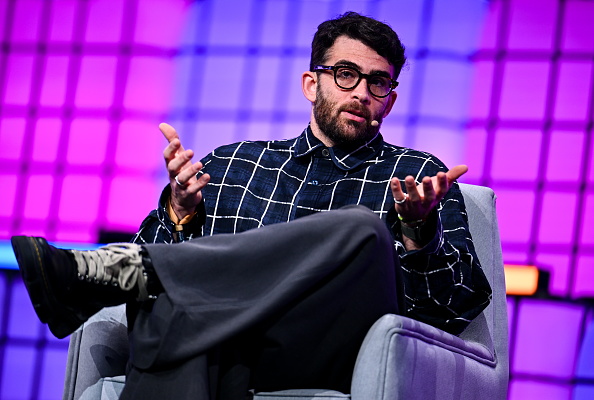
As such, many Democrats started to normalise relations with Twitch streamer Hasan Piker and the DSA. The popular podcast Pod Save America, hosted by several Obama administration alumni, hosted Piker multiple times to discuss how to build a new coalition with him. Eventually, DSA candidates began winning primaries, and party leaders welcomed them to the caucus with open arms.
As the DSA and Piker have stepped into the national spotlight, it has become clear that they have not only overstated their ability to help Democrats build a winning coalition, but also hold alarming views that could actively hurt the party. Piker has a long digital trail of controversial statements. Several DSA-aligned candidates who have won their primaries and are likely to join Congress next year have espoused truly radical views. The national DSA itself released its programme this summer, which called for abolishing police and prisons, overthrowing capitalism, and scrapping the Constitution.
This poses a big problem for Democrats. Not only does a large majority of Americans continue to view socialism unfavourably, but many of the views promoted by the DSA and its candidates are electoral poison in swing states. Moreover, at a time when politics has become hyper-nationalised, voters are more likely to see the parties as monoliths and less likely to split their tickets. If Republicans can credibly brand the Democrats as a socialist party that has been hijacked by extremists, life becomes harder for candidates trying to win in purple states. It will be even harder if the person at the top of the ticket has doubled down on their commitment to socialism.
Fortunately, not all Democrats have been thrilled with these shifts. A group of more centrist elected officials signed a pledge stating, among other things, “we are capitalist, not socialist.” One centre-left think tank announced a $15 million effort to fight the ascendant DSA. Many candidates running in tough races this year have either openly denounced Piker or distanced themselves from him — including some who initially embraced him. It is clear that the Democrats who are closest to the centre of the electorate and who care foremost about winning elections are aware of the danger the far-Left poses.
Many progressive Democrats have sensed that their grip on the party is growing. This is true, but the reality is that these new relationships could cost the party dearly. And if Democrats become defined by the far-Left, it could jeopardise their ability to win national elections for years to come.
