







 Prefer us on Google

16 October 2026 - 6:30pm
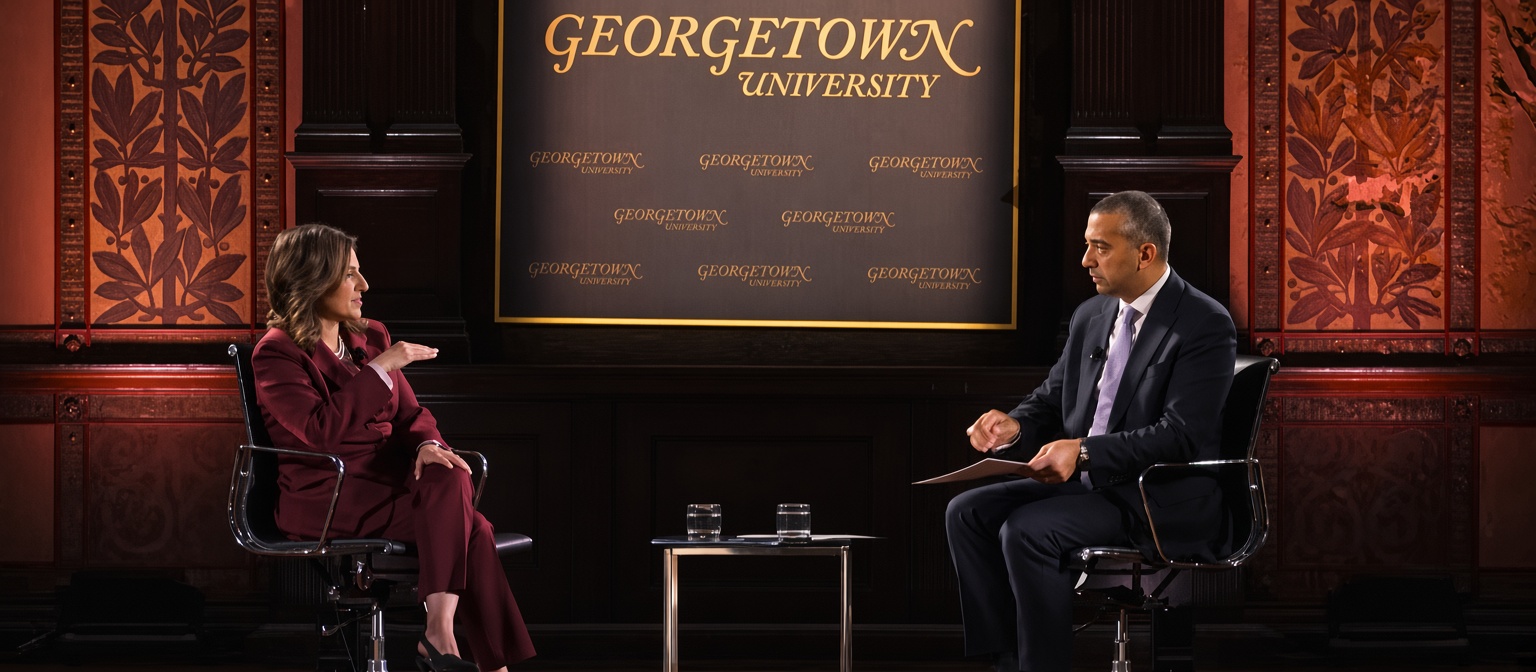
In an interview this week with Mehdi Hasan, Democratic Party insider Neera Tanden let out an awkward giggle when she was labelled as part of the establishment. “I just don’t really feel I’m the establishment,” said the Center for American Progress president.
So then Hasan read her resumé back to her. “You served under Biden, you served under Obama,” he said. “I believe when you had your second child, the first person to call you in the hospital was Hillary Clinton.” Then he asked the obvious follow-up: “If you’re not establishment, who is?” It’s a good question, and one which, in 2026, nobody wants to answer. The word has gone the way of “hipster” circa 2009: everyone can spot one, but no one will admit to being one.
The Democrats’ strange position heading into November helps explain why. Because of Donald Trump’s and the GOP’s historic unpopularity, the Democrats are favoured to take the House next month and still have a decent shot at the Senate. And yet the party is an unmitigated disaster: the Democratic National Committee was $2 million in debt as of July, its members are in open revolt against chairman Ken Martin, and polls show that the American people don’t particularly like the Democrats either. No one knows what they stand for beyond anti-Trumpism — after two years of post-mortems, abundance manifestos and think-tank retreats (some no doubt hosted by Tanden’s CAP), the party’s organising message remains essentially: “Have you seen the other guy?” That makes the Democrats the Inspector Clouseau of politics, bumbling around and accidentally winning elections.
It also helps explain why insurgents spent primary season prying nominations from party favourites, and why Senate races in states such as Maine and Michigan have become expensive civil wars. An Axios analysis of more than 350 campaign ads found a huge uptick in Democrats talking about their own party in negative terms, using phrases such as “my own party,” “party leaders”, and a “broken system”. Even Colorado senator Michael Bennet, nearly the picture-perfect model of a Democratic moderate, now calls the establishment party “a failed enterprise”. The Democratic label increasingly comes with an apology attached, so the establishment has done the rational thing and denied its own existence.
This dynamic produces a peculiar spectacle. It means that everyone in politics now acts as if they’re the outsider holding the brick to smash the system. Trump, whose party holds the White House and both chambers of Congress, still rages at Joe Biden and at Democrats who control no branch of government at all. Elon Musk, the richest man alive, has poured $276 million into Republican campaigns since July while playing the scrappy rebel. And the Left, which runs against the Democratic establishment, has quietly become more of one. When Vanity Fair revived its “New Establishment” list this month after a seven-year hiatus, it included Zohran Mamdani, Hasan Piker and the Democratic Socialists of America, sharing space with JD Vance, Gavin Newsom and the Kushners. It’s a recognition of growing political power that no one on the Left will embrace.
Political scientists call what’s replaced the old parties the “party blob”, a thick fog of super PACs, consultants, and donor networks that picks candidates and runs campaigns while answering to no one. The arrangement suits everyone: voters get to feel rebellious, and the people with real power stay in the shadows. But if everyone’s a populist, no one is. What’s more, the problem of a political class made up entirely of self-proclaimed rebels goes beyond mere denial of accountability for America’s 21st-century decline. It feels like there’s no future; we’re all just rearranging the deck chairs on the Titanic, waiting for our nation to sink while everyone claims to be a passenger, including the people in the captain’s uniforms.
