







 Prefer us on Google

18 Nov 2026 - 6:30pm
With the Democratic sweep of several statehouses around the country, one dormant piece of fringe constitutional legerdemain is threatening to come back from the dead: the National Popular Vote Interstate Compact (NPVIC).
The idea was first proposed by Democrats in the aftermath of the 2000 election — when the party won the popular vote but narrowly lost the Electoral College. It argues that the states that sign on to the plan would agree that their electoral votes to go to whichever candidate received the most votes nationwide. The agreement would take effect only when enough participating states had joined to control a majority of the Electoral College’s 538 votes.
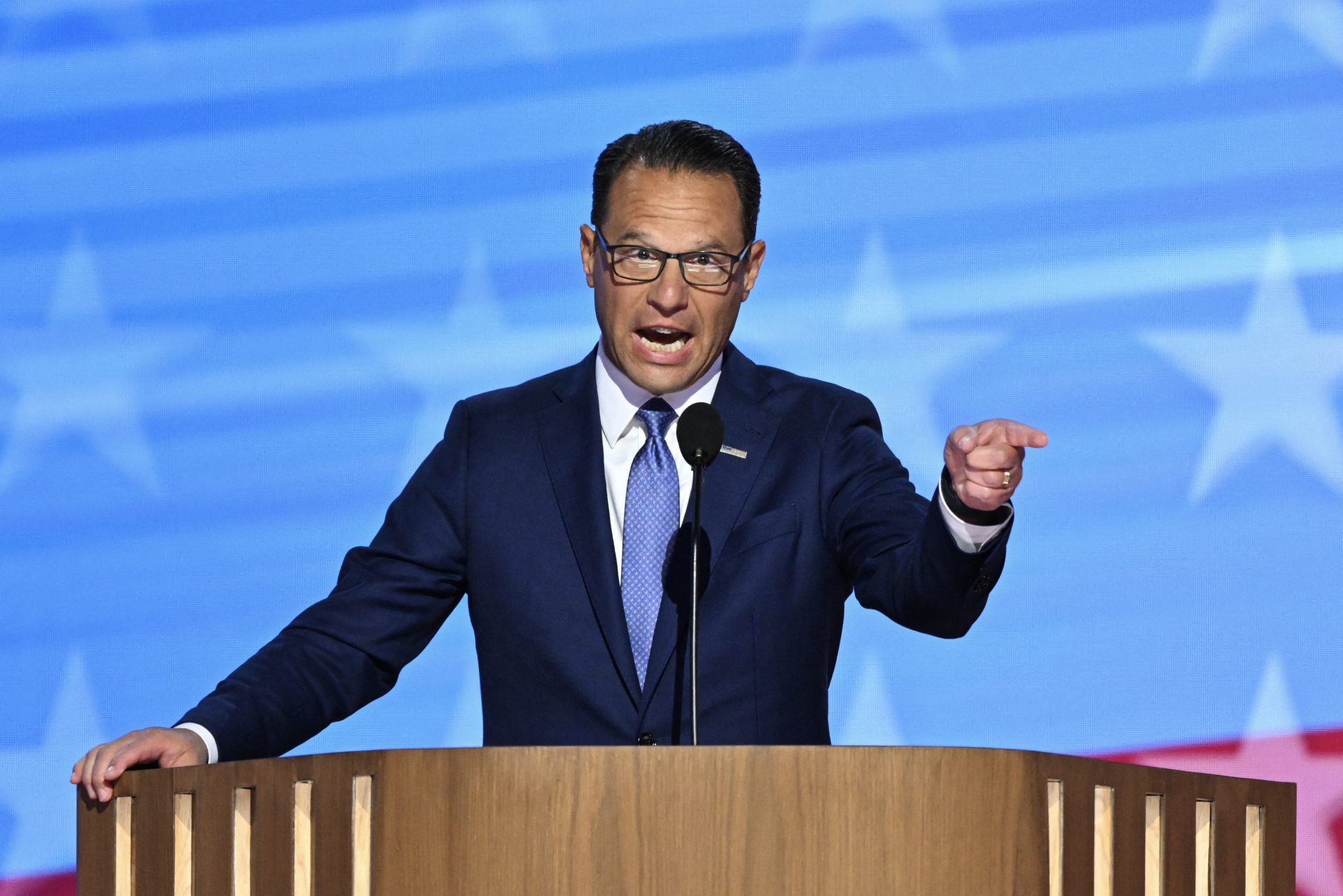
Once considered an extreme idea, the NPVIC has now been endorsed by many of the “sensible moderate” Democrats across the country, including Josh Shapiro in Pennsylvania and David Crowley in Wisconsin.
But the plan is flawed on many levels. One problem is right there in the title: compacts among the states are barred by the Constitution unless Congress approves them. Advocates of the plan have tried to suggest — the name and the nature of its reciprocal obligations notwithstanding — that the Compact is not a compact, in the constitutional sense. But this is a difficult argument to make when it goes against the plain text of the prohibition on states “enter[ing] into any Agreement or Compact with another State.”
But even if that attempt at clever legal drafting were to pass muster with the courts — including a Supreme Court with a majority very much focused on textualism and originalism — it also represents a too-cute-by-half end run around the ordinary amendment process that upends our entire constitutional order. That, too, would likely be struck down by the courts, but only after it’s been tried in a real election. It would mean that the Supreme Court would be faced with nullifying an election — a terrible political crisis in the making.
The NPVIC’s drafters believe that Article II of the Constitution gives states plenary power over the appointment of electors — that is, they can do it however they want and no one can challenge them. It is true that, in the early days of the republic, some state legislatures chose the electors directly rather than putting them up for a vote by the people. But that hasn’t happened in more than a century, and it could possibly violate the Fourteenth Amendment, which imposes a punishment on any state that denies to its citizens “the right to vote at any election for the choice of electors for President and Vice-President of the United States”.
How would that provision interact with the NPVIC? It is difficult to say; it has never been invoked before, even when there were states in the Jim Crow era that routinely disenfranchised segments of their populations. But it is hard to argue that it is not disenfranchisement to tell your state’s voters that, no matter who wins the election locally, a different set of voters will select their state’s electors.
The compact also purports to stop any state from reneging on the deal after the results of the election are known, but the enforcement mechanism for this is nonexistent. And rest assured, the first time an electoral college mismatch favoured the Democrat, multiple states would bolt the compact to prevent that from happening. Can you imagine a world where a Democrat would have won an electoral college majority, but electors from California vote for the Republican candidate anyway because they won nationwide and they are bound to honour their pledge and disenfranchise their own citizens?
The whole concept fails on multiple legal and practical levels, which is why one of its most prestigious proponents, professor Akhil Reed Amar of Yale Law School, now says that enacting the plan would be a mistake.
The electoral college is not a perfect system, and it is not crazy for people to want to replace it with some form of national election for president. But doing it by sleight-of-hand and legal trickery — even if it survived all the legal hurdles — is not the way to bring about change. After a midterm election that focused on the cost of living, the war in Iran, and the corruption in Washington, it would be a mistake for Democrats to go off half-cocked in pursuit of a dubious legal scheme to gain even more power for their party — one in which the voters were never consulted.