









3 February 2026 - 6:30pm
They were warned. A federal district judge on Monday ruled that several state attorneys general would be allowed to depose key figures involved in the Department of Justice’s green-lighting of a merger between Hewlett Packard Enterprise and Juniper Networks. The two companies are the second and third biggest players, respectively, in the enterprise-networking market, providing wireless and connectivity solutions for the likes of universities, hospitals, and sports stadiums.
In the earliest days of Donald Trump’s second term, the DOJ sued to block the merger in light of the sheer concentration of market power that could result from it. As is often the case, the government and the merging parties soon took up settlement negotiations.
Yet the final terms were widely viewed as a sweetheart deal — not least by Trump’s own Assistant Attorney General for Antitrust, Gail Slater, who opposed the settlement, according to the Wall Street Journal. Two of her deputies had their positions terminated — for “insubordination” officially, but their defenders insist it was retaliation for their opposition to the way the settlement played out.
As a former Justice official told UnHerd last summer, Trump World-connected lobbyists for HPE circumvented Slater and her team, instead turning to higher-ups led by former deputy attorney general Chad Mizelle. The talks took place in a club backroom over cocktails, according to the former official.
That sort of arrangement runs afoul of the Tunney Act, a 1974 law enacted to ensure that antitrust settlement negotiations are conducted with transparency and within clear procedural guardrails. The act has rarely been enforced, but the HPE settlement has now come under attack from attorneys general from 12 states plus the District of Columbia, who allege that the talks involved political interference and lacked transparency. What’s more, they claim that the terms failed to meaningfully address the anticompetitive harms the DOJ itself identified in its initial complaint.
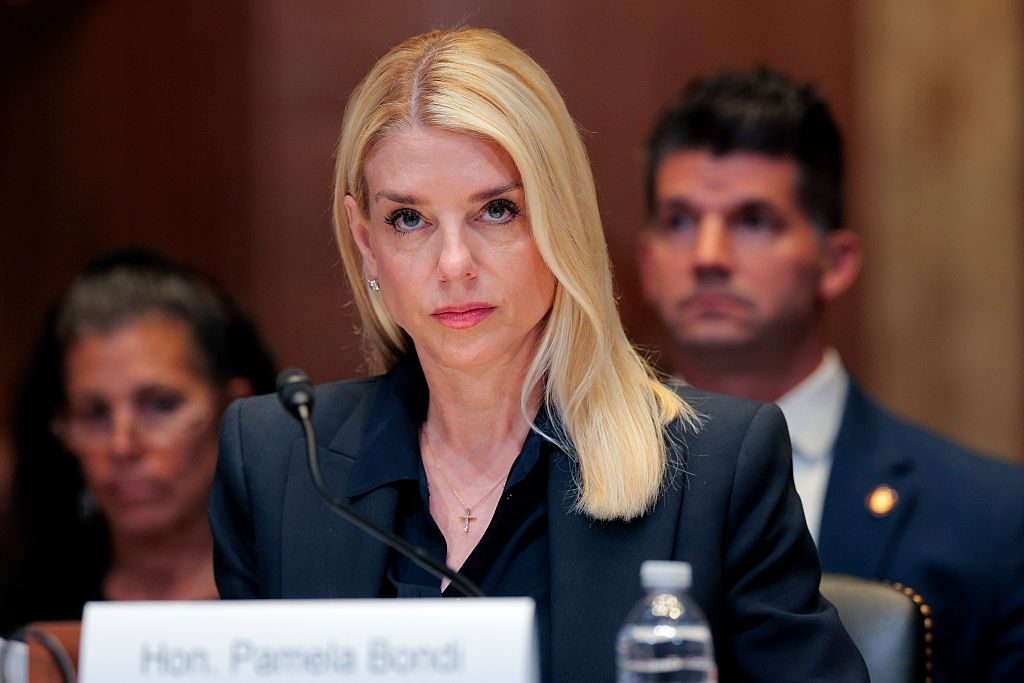
If the Tunney challenge succeeds or merely unearths unsavoury behaviour, DOJ brass led by Attorney General Pam Bondi would have only themselves to blame. As the former official told UnHerd at the time, “We’re willing to do settlements, but they need to be real settlements.” The sidelined DOJ antitrust team emphasised robust process precisely to protect the administration from the courtroom headache it now faces.
The larger tragedy is that young voters decisively favour reining in Big Tech. Strong antitrust is both popular and an area of potential bipartisan consensus in an age of deep polarisation. As it is, the initial promise of the second Trump presidency on the issue is fading, and insiders describe severe demoralisation in the antitrust division. The administration’s Tunney Act troubles in the HPE case should serve as a wake-up call.
Sohrab Ahmari is the US editor of UnHerd. His next book, on The Triumph of Normal, is forthcoming from HarperCollins.
 SohrabAhmari