









3 July 2026 - 4:00pm
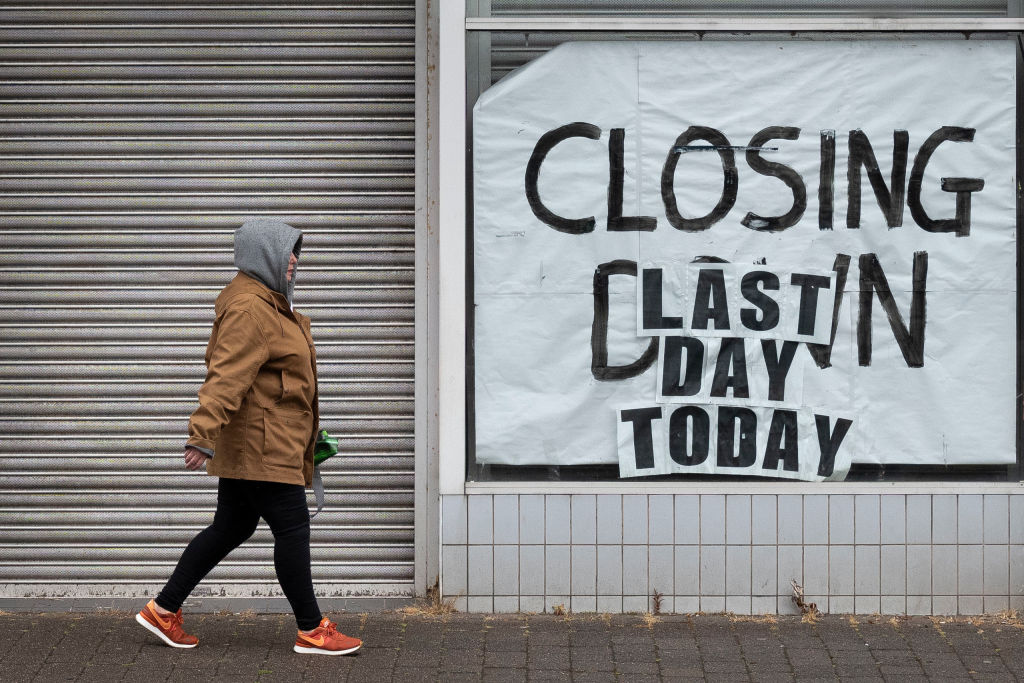
Coughlans Bakery survived the Blitz. It survived rationing, three recessions, the 2008 crash, and a decade of austerity. But it did not survive April’s rise in National Insurance, and the general low-grade hostility towards trying to run a high-street business in 2026. The 89-year-old bakery, which has 31 shops across the South East and 41 members of one family drawing a wage from it, closed its doors on Wednesday.
Sean Coughlan, the bakery’s managing director, posted a video on Instagram claiming it had been a fantastic March, but that an NI hike, avaricious business rates and soaring fuel costs had made it no longer tenable.
Comedian Romesh Ranganathan, who bought into the business in 2024, said about the closure that “gutted isn’t the word”. A celebrity’s involvement brought Coughlans a day of national attention that the equivalent bakery two towns over will never receive. But this was never really a story about a bakery. Instead, it’s a story about what’s replacing it.
Walk down any British high street, and you’ll find the same grim characters standing where a hundred different independent businesses used to be: a Greggs, a Boots, a vape shop, a dodgy phone repair store. This motley crew has homogenised every main drag in Britain, and it’s happening according to a depressingly-easy-to-trace logic.
The high street, as currently taxed and rated, cannot help but fail to protect the storied family business with a kitchen and a payroll. Business rates fall most heavily on premises that require a physical shopfront and equipment. National Insurance rises hit hardest for businesses that employ people, rather than screen replacements. And rent structures increasingly favour whoever can absorb a loss-leading unit. Britain has built a tax system that punishes the presence of a person making something with their hands and rewards its absence.
Take Greggs: it’s an organisation with a national supply chain and industrial-scale buying power. A business like that can absorb a rent and rates bill that would finish a family bakery in a year. And it can do it while selling a sausage roll for less than the flour alone costs the independent next door. It isn’t a coincidence how often a new branch turns up within sight of a bakery that’s been trading since before Greggs existed in its current form.
This is about more than pastries, of course: it’s about where the money goes. Every pound spent in Coughlans paid a wage to someone who lived nearby and was then spent in that same town, on a mortgage or a pint or in somebody else’s shop.
That’s what an independent high street actually is: a mechanism for spreading wealth thinly and widely across British society. Replace it with the same 12 chains, and that money stops circulating locally and starts crystallising upwards, into a head office or portfolio that has never once set foot in the town that generated it.
The high street has always had a peculiar role in Britain — and it’s not even a commercial role. It’s the market square with a roof taken off: the one bit of town through which every resident passes regardless of income, where people from a community can actually connect. If the local businesses that draw people in are hollowed out into the same beige film set, towns shed their character and the rich tapestry of identity. You lose the machinery that turned a collection of houses into a community, and replace it with a retail park that happens to have pavements.
Coughlans is this month’s name. There’ll be another one next month, and the month after that, and each time there’ll be a video, and a flurry of fist-shaking comments that offer no solution other than #thoughtsandprayers. But there’s a question nobody is asking: is this what we really want? An identikit, soulless selection of chain stores and mothballed charity shops? Just as with everything in life, it seems we have ended up with the high street we deserve.