









30 July 2026 - 10:30am
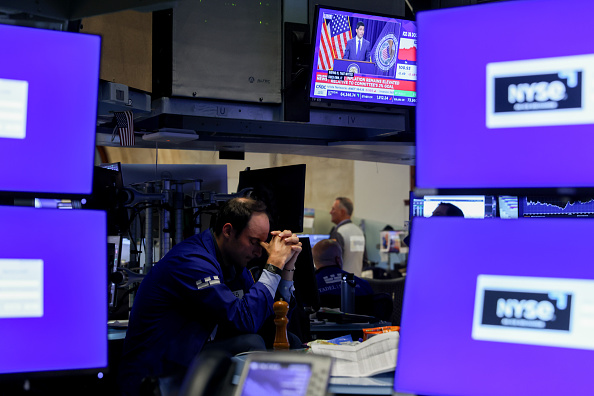
Global stock markets are currently in turmoil. The Nasdaq, home to the “Big Five” Tech stocks, has fallen by nearly 10% since its recent peak at the start of June. The smaller South Korean Kospi Index, which includes electronics giant Samsung, has lost nearly a third of its value in just over a month.
The markets are entering into territory that financial analysts euphemistically call a “correction”, where a significant shift in the value of stocks can create large numbers of losers. This correction will hit not just casual retail investors but even sophisticated hedge funds, which have trillions invested in AI tech stocks. Wall Street banks are asking some of these hedge funds to stump up higher deposits, something that could trigger further instability as funds, in turn, are forced to dump their stocks to cut their losses.
The big winner of these events so far has been the British FTSE, which reached an all-time high this week. This was not a Burnham bounce, but simply the result of investors fleeing back to traditional sectors such as oil, mining and banking, which make up much of the London Stock Exchange, to avoid the instability of tech stocks. In this regard, the FTSE’s revival is driven by fear, not optimism, and is therefore expected to be short-lived. Oil, mining and banking still have their place, but they are unlikely to be the future of the global economy.
The cause of these fluctuations is not in Washington or Tehran, but rather in Beijing. Chinese tech firms, using cheaper open-source AI models, are undercutting more expensive US firms and gaining significant market share. This has led investors to panic about whether US tech firms will generate the profits to justify the huge valuations they have achieved. China is not only taking the West’s manufacturing heritage away, it is also threatening to snatch its economic future.
Usually, stock market turmoil has little long-term significance for the real economy. After all, in August 2024, the Nasdaq saw a similar correction on the back of concerns about the growth of the US economy. The stocks recovered, and the world moved on. However, this feels more significant because this current correction is driven by a worry that simply will not go away. How can Western for-profit businesses make big returns when the Chinese government is determined to do whatever it takes to undercut them and replace them, using the full power of its $20 trillion economy?
The Iran war could end tomorrow, and that would provide some short-term relief, but it will not resolve the fundamental issue. The stock market is simply a reflection of the bets that society is making on its financial future. What is going to generate profit? What is worth investing in? The truth is that no one really knows. Many thought AI could be the future. It still could be, but that will require Western governments to do what they haven’t been prepared to do for 30 years: develop a strategy to economically contain China. Until then, investors will continue placing their bets with the ever-present fear that the next power play from Beijing will wipe them out. This is not a recipe for prosperity.
Andrew O’Brien is the former Director of Policy at the think tank Demos and currently Head of Secretariat of the Independent Commission on Neighbourhoods. He writes in a personal capacity.
 ADOBrien88