









27 February 2026 - 7:00am
On Wednesday, it was reported that Donald Trump and Volodymyr Zelensky held a phone call in which the US president said he wanted to end the war in Ukraine “ASAP”. Trump even set out a timeline on a peace deal, suggesting that he wanted to see it signed by the summer. Zelensky is apparently less optimistic, only saying that he wants to see the war end this year.
It’s a cliché to say that in war there are no winners. Ukraine and Russia have each lost hundreds of thousands of soldiers and taken substantial economic hits. Questions over support for Ukraine have also prompted damaging splits within the European Union.
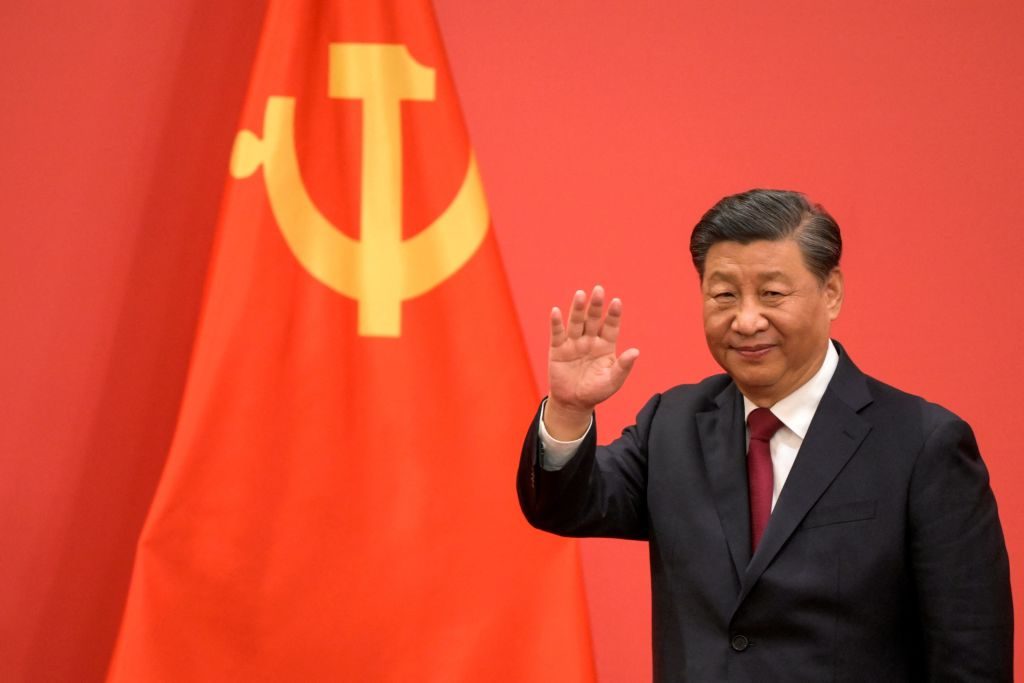
If Europe and Ukraine aren’t winning the war, and neither is Russia, then who is? One — perhaps unexpected — answer is China. Russia’s combined need for revenue to fund the war and the end of its energy relationship with the West has meant that the Kremlin has sought alliances elsewhere. As a result, Moscow has moved even further into China’s economic and geopolitical orbit.
Beijing has been incredibly calculated in the way it has gone about this. After US sanctions caused many Indian importers to drop Russian oil, China capitalised by positioning itself as one of the few remaining buyers. Beijing has now been importing more than 2 million barrels per day of Russian crude oil on average. That’s an increase from November, when the number was 1.2 million and the new sanctions had just come into force.
A further win for China is that Iran is also looking for somewhere to sell its own heavily sanctioned crude oil. Tehran has therefore had to offer sharp discounts to attract buyers. That’s hardly good news for Russia, which is a competitor in the oil market. But China then has a glut of oil to purchase at a discounted rate from multiple buyers.
China’s movements in the market reflect a wider shift in the balance of power. Large natural resource-based economies, especially petrostates, once wielded vast swathes of influence and leverage. But that power has shrunk. Production outside of the Opec+ oil cartel has been growing, and demand growth from China — once the world’s oil demand engine — is grinding to a halt. When China’s oil imports do increase, it is often because its importers are stockpiling cheap barrels, not because consumption is going up strongly.
That will have implications which go beyond the petrostates, too. One factor in increasing globalisation has been access to the oil market, which has kept sea routes open and safe and maintained healthy, rules-based worldwide trade. If China gradually withdraws as a buyer in the oil market and petrostates lose one of their biggest buyers, the consequences could be dire.