









26 November 2025 - 2:35pm
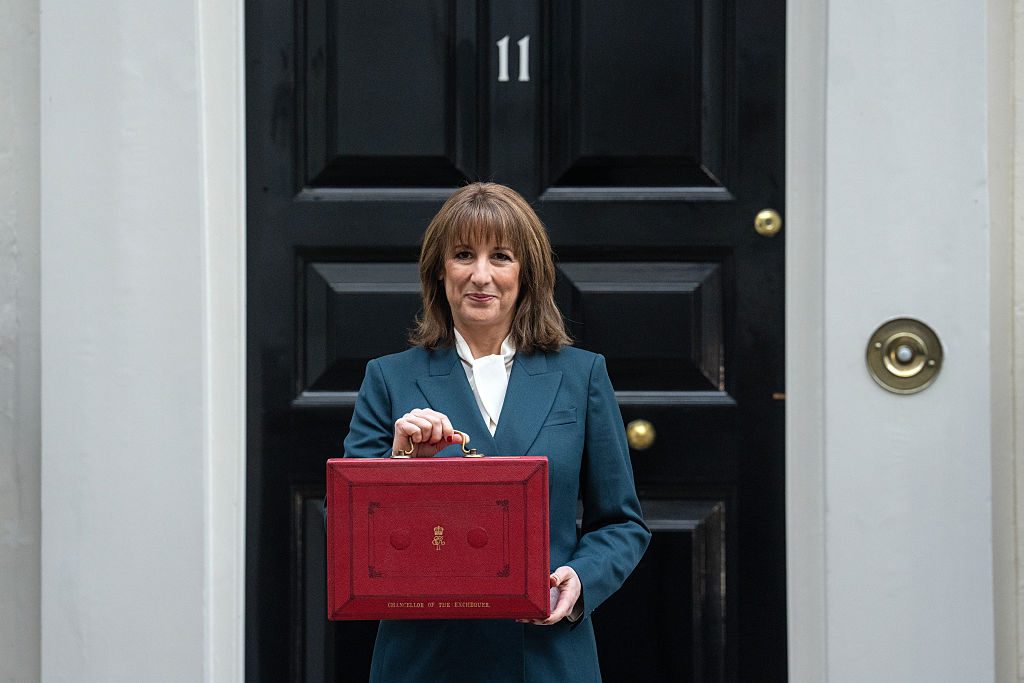
Today’s Budget was perhaps the last big set piece for Rachel Reeves and Keir Starmer to shore themselves up before the local and devolved elections in May next year. Despite the OBR’s leak, it appears to have not spooked the markets all too much. There was an obvious political angle to the winners it created, but Labour’s fortunes will hinge on the broader economic impact, both in people’s pockets and on public services.
Among Labour MPs, the abolition of the two-child benefit cap will feel like a significant victory. This austerity measure has been a source of anger on the Left. It has been seen as an arbitrary measure that keeps large families in poverty and hinders the chances of their children. With the public, however, the cap was popular, commanding support from voters across parties who feel it is unfair for people who aren’t working to receive more benefits. Removing it may steady the ship with Reeves’s internal critics but it will likely do little to bolster Labour’s electoral prospects.
The pain Reeves has dished out is also likely to be unpopular. Income tax bands will stay frozen for the next six years, provisionally well into the next parliament. This amounts to a de facto tax rise on almost all working people as wages increase with inflation. It may comply with the letter of Labour’s pledge not to increase income taxes, but this fiscal drag violates the spirit in a way voters are likely to notice without delivering the revenue that a bolder change might raise.
Other levies suffer from similar problems, creating losers without bringing in much money. A “mansion tax” will target those in houses with a value higher than £2 million but falls short of the wealth tax that many on the Left have been calling for. Similarly, a pay-per-mile tax on electric vehicles is likely to be hard to implement, unpopular with those who have already switched to greener vehicles, and generate limited revenue.
Behaving this way is likely to exacerbate the squeeze on the Labour vote. Little in the Budget is bold enough to appease the government’s Left-wing critics. There are no major wealth taxes, nor is there much of a dividend for public spending. The Left-populist animus to extract more from the very rich and put it into the state will not be satisfied. Meanwhile, both Reform UK and the Tories can attack the taxes that have gone up.
The fiscal projections within the Budget offer little long-term comfort. Though growth is set to beat expectations for this year, it has again been revised downwards for future years of this parliament. Britain’s stagnation is set to continue, making it harder for Labour to deliver in the subsequent Budgets. The chances of the country feeling better off by the election look slim, and that remains the biggest challenge for Reeves and Starmer.
Through this Budget, the Chancellor seems trapped by the same problems that plagued her predecessors. If growth remains low, the political choices remain unenviable. For public services investment to really improve, significant tax rises are required. Putting up taxes on ordinary people is the quick route to political death, but letting services continue to atrophy is the slow one.
Despite the initial briefings to the contrary, this has transpired to be a timid budget. It is likely to fall into the regular trap of indecision: half-measures that please no one. Taxes will go up, and this will rankle with many. Yet the government is still set for very tight spending rounds in the last few years of this parliament. For a Labour Party that looks to be assailed from both Left and Right, that is a challenging position to be in.
By pleasing the parliamentary party with generosity in benefits, Reeves and Starmer have perhaps bought off their most immediate opposition. The unpopularity of this outside of Westminster, however, could still cost them. The last government failed to get out of a trap of increasing taxes yet failing to deliver a public realm people could feel positive about. So far, Labour looks to be doing the same.
John Oxley is a corporate strategist and political commentator. His Substack is Joxley Writes.
 Mr_John_Oxley