









27 Nov 2026 - 2:00pm
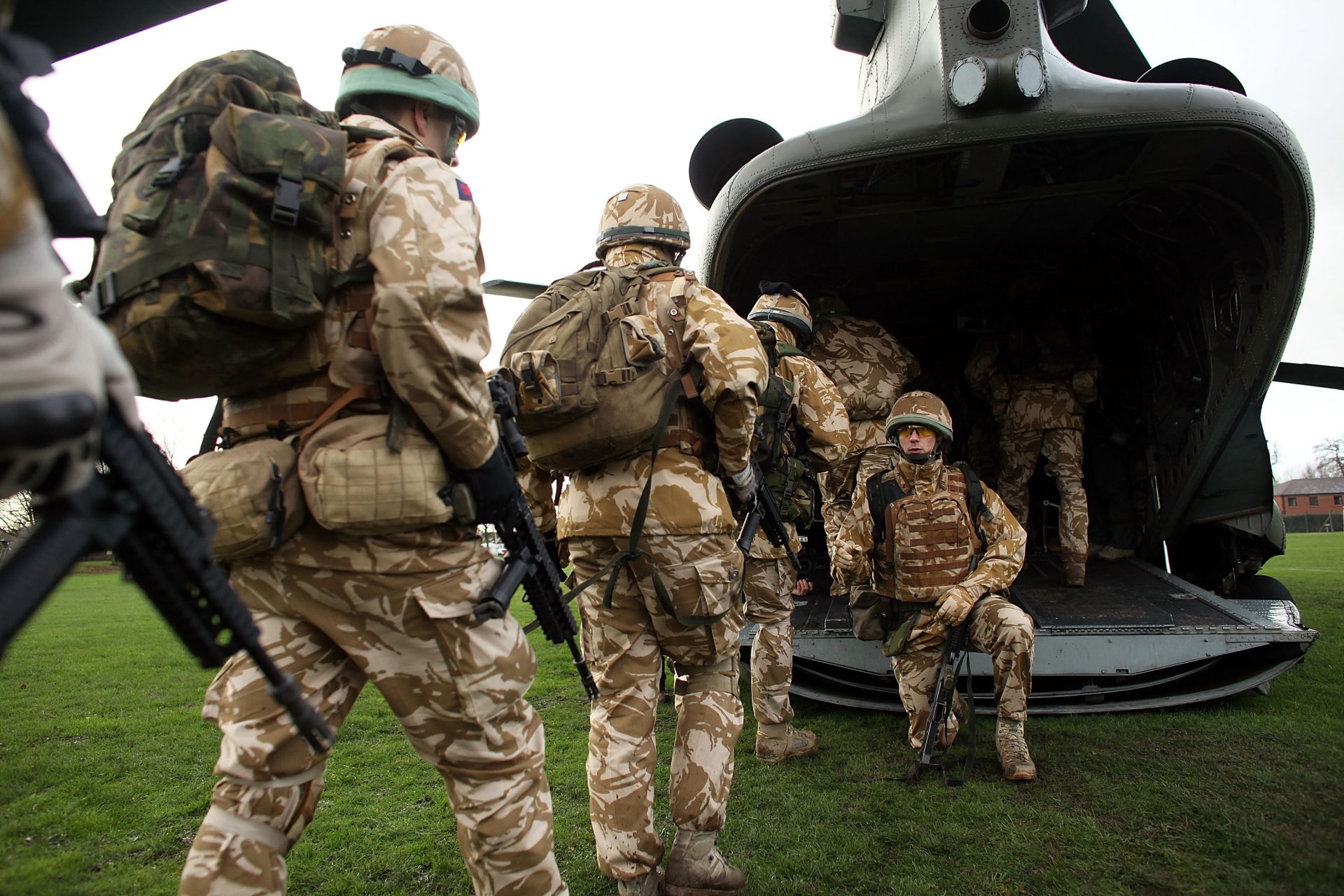
For the first time since the Cold War, the Ministry of Defence has sent letters to around 100,000 reservists, telling them to provide information about their current skills. While it isn’t as dramatic as an official “call-up”, the Government has notified veterans of “opportunities to volunteer for training and exercises”. The success of the initiative has been somewhat undermined by the fact that the MoD doesn’t appear to have up-to-date contact details for almost half of those earmarked.
The ensuing newspaper headlines about “preparing for war” rather overstate things, but this is still a significant move. Defence Secretary Wes Streeting has pointed to a growing “threat environment” to justify contacting reservists, insisting last month that the country must be ready for war within 1,000 days. Last week, Prince Harry said he would rejoin the British Army to fight Russia. Meanwhile, the Government has launched the “Be Ready” campaign, urging the population to stock up with three days of supplies for emergency situations ranging from cyberattacks to extreme weather or infrastructure disruption.
As Brits steel themselves to scurry around supermarket aisles collecting tins of baked beans and bottles of water, tens of thousands of veterans will scratch their heads upon reading these call-up-not-call-up letters. Both developments shine an unflattering light on Britain’s lack of preparedness and overall military shortcomings.
The British Army is at its smallest size since it took to the field against Napoleon more than two centuries ago, today standing at a little under 73,000 troops. When I joined in 2001, the total was about 110,000. When my father served with the British Army of the Rhine during the Cold War in the Eighties, it was around 160,000-strong. It is also badly under-equipped, with Government cuts resulting in the abandonment of plans for new armoured vehicles.
Veterans should not be suddenly used to plug holes in the standing army. The Strategic Reserve should only be called up when an attack on the UK is imminent, and the professional military should be maintained at a sufficient level of manpower. This would consist of fit soldiers who can handle the demands of sleep deprivation, physical exertion, and environmental pressures.
In addition to maintaining an effective army that can actually achieve its core function — defending the country and its inhabitants — Britain must think carefully about what the use of that force entails. It is far from clear that the country’s current crop of politicians, generals and commentators, spoiling for a fight with Russia, have done so.
Well over 100,000 Ukrainians are estimated to have been killed in the ongoing war. Russia’s losses are closer to 500,000, per Moscow’s own figures, or as high as 700,000 according to the New York Times. These are astonishing and terrible numbers, for both sides. The overwhelming majority of dead Russians had no say over the launch of the invasion almost half a decade ago, nor the continuation of warfare since.
Britons console themselves with the belief that their politicians and military top brass could never be so cruel and idiotic, buttressed by a belief that past events — and the justifications and psychology behind them — could never happen again. But why should the present batch of decision-makers be immune from what led British politicians and generals to tolerate 60,000 casualties on the first day of the Battle of the Somme, only to keep going with more of the same? Streeting’s reasoning that contacting reservists is a “sensible, necessary precaution” won’t make the arrival of this MoD letter any more palatable.