









27 September 2026 - 8:00am
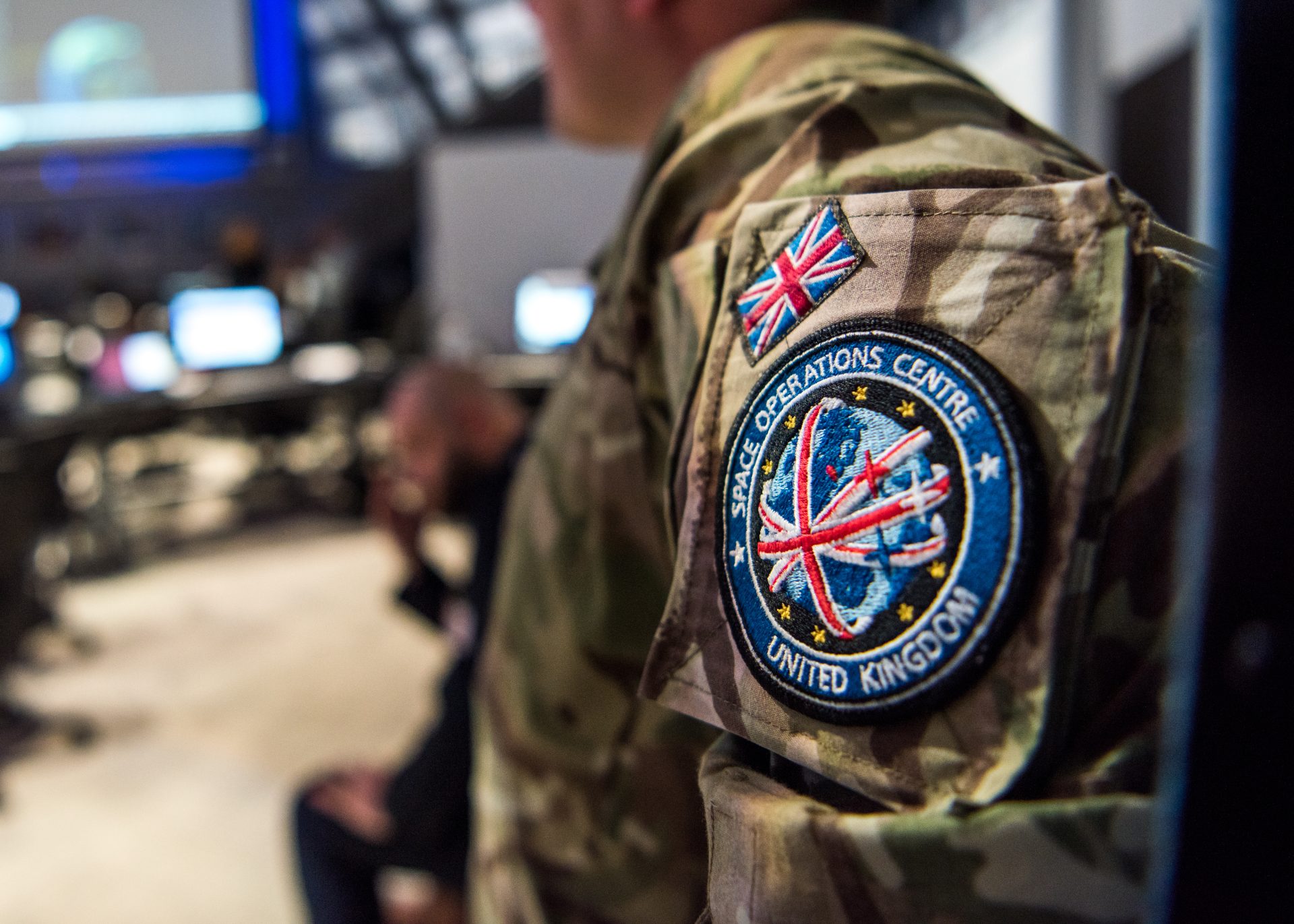
The news that the RAF is forming a space combat unit marks a new departure in British military history. Innocuously named the “No. III Space Effects Squadron”, this is, in no uncertain terms, the first HM Armed Forces formation dedicated to fighting the King’s enemies in orbit.
Real-world counter-space operations lack Star Wars battle glamour. In practice, they would typically involve directing satellites remotely from computer terminals, or operating ground-based antennas and other equipment – and they are becoming absolutely vital to 21st-century military campaigning.
Modern armed forces are increasingly dependent on space systems both for offensive kill-chains – finding, tracking and orchestrating precision strikes against land, air or sea targets – and for defence, from intercepting advanced missile threats to detecting hostile activity and preventing surprise. Degrading or destroying the other side’s space layer, while preserving your own, can therefore be a decisive move, hence the growing investment in counter-space by all major military powers.
So far, the UK Space Command has formally only focused on “space support” functions such as surveillance, missile warning and communications. Now, with the Chief of the Air Staff revealing that UK Defence is also developing “orbital warfare” capabilities, it appears that Britain is finally getting serious about becoming a fully-fledged space power.
There is now a sense of urgency about this because the orbit has already become a grey-zone battlefield. Russia regularly jams UK and allied military satellites, manoeuvres military spacecraft close to allied commercial assets, and disrupts GPS across Europe. China, too, has built a large counter-space and “dual-use” toolkit, including a spaceplane that can release and recover other spacecraft. If a terrestrial war with Russia might carry a lesser risk of direct or immediate Chinese involvement, not least because of geography, in space there are no borders and allies might have to contend with some of Beijing’s orbital assets as well. Western policymakers have long been treating space as a “sanctuary” somehow removed from the military-strategic competition, but that world is now gone.
The US military, for one, is very clear on what needs to be done. On 14 September, the US Air Force Secretary publicly confirmed that the US Space Force operates “on-orbit space control weapons”.
Britain, with its deep and close relationship with the US military, is looking to stay in lockstep on policy, doctrine and command arrangements – hence the RAF’s new No. III squadron. But a space warfighting unit that can engage adversary satellites with ground-based jammers is just the first step towards what may become a UK “Space Force”. Many key threats can only be defeated through co-orbital effectors (or weapons). The next question, therefore, is which weapons Britain will actually put in orbit, and how quickly that will happen.
Gabriel Elefteriu FRAeS is Senior Fellow for Space Power at the Council on Geostrategy
and a founding partner at AstroAnalytica.
 GElefteriu