









14 June 2026 - 8:00am
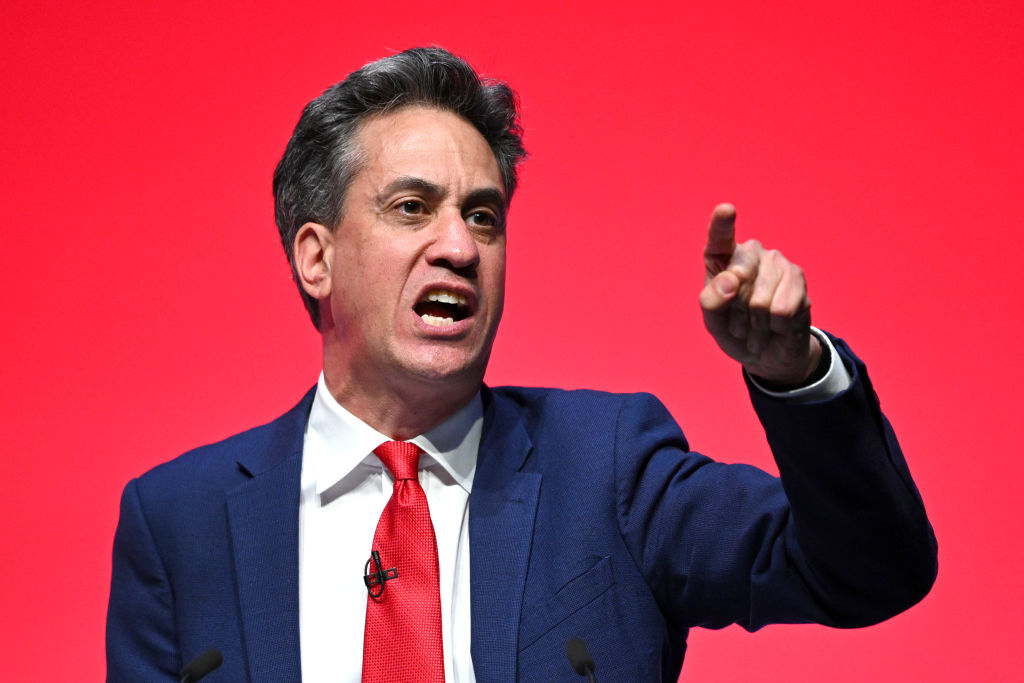
There is no point in Andy Burnham replacing Keir Starmer as Prime Minister if he makes the same mistakes. Above all, taking power without a properly thought-out plan for using it would be a fatal error. Right now, nothing could provide a more alarming sign of such a lack of seriousness than choosing Ed Miliband as his Chancellor. And yet, according to reports, that’s precisely the plan — though whether it’s quite as firmly fixed in Burnham’s mind as it is in Miliband’s remains to be seen.
In terms of internal party politics, one can understand the temptation. Miliband isn’t just a Cabinet minister; he’s the single most influential figure within Labour’s dominant soft Left faction and a favourite with party members. The very fact of his not making his own run for leader and throwing his weight behind Burnham makes it harder for rival candidates, like Angela Rayner, to stand.
Assuming the soft Left does unite around Burnham, the impending leadership contest will look as if it’s over before it even begins. That could be enough to persuade Keir Starmer to make one final U-turn and not defend his position — as he’s still insisting he will. If Wes Streeting can also be persuaded to stand aside, then it could be a coronation, not a contest. Ed Miliband thus appears to be the key to a smooth transfer of power.
Except that Labour won’t just be choosing a party leader, but a head of government. That’s where a Miliband chancellorship makes less sense.
Allies of the current Chancellor, Rachel Reeves, have suggested that removing her would imperil the country’s financial credibility. This isn’t necessarily true. She has, after all, pushed up UK borrowing costs to record highs — so there’s room for improvement. But if Reeves is to be replaced, the last thing Burnham needs is a less reassuring chancellor.
Unfortunately, Miliband has a track record of not inspiring confidence — except among those eager to believe that socialism isn’t dead. At no point has he stood up for the spending cuts required to secure both Britain’s finances and defence. Indeed, in last week’s political crisis, Starmer was reportedly more worried about Miliband resigning than the defence secretary, John Healey.
Matters may be eased if a new chancellor drives through the pro-growth policies that Reeves has failed to deliver. Unfortunately, Miliband’s most notable contributions to that agenda have been negative. He’s the one who’s insisted on the ban on new North Sea drilling. He’s also doggedly pursued a 2030 target to decarbonise the UK’s electricity supply — an expensive distraction both from achieving Net Zero by 2050 and higher growth anytime soon.
It doesn’t help that Burnham lacks a coherent agenda of his own for a new chancellor to implement. He’s blown hot and cold on freeing the state from dependence on the money markets. On key spending pledges, like compensating the Waspi women, he’s flip-flopped. Furthermore, his “Manchesterism” philosophy is not translatable from local to national government — at least not without the vast sums required to nationalise key utilities. Therefore, he needs a new chancellor to provide him with a viable economic programme, not the other way round.
In that respect, the only thing he’s going to get from Miliband is what Starmer already has: a vague commitment to social progress without the money to pay for it.
Peter Franklin is Associate Editor of UnHerd. He was previously a policy advisor and speechwriter on environmental and social issues.
 peterfranklin_