









30 September 2026 - 7:00am
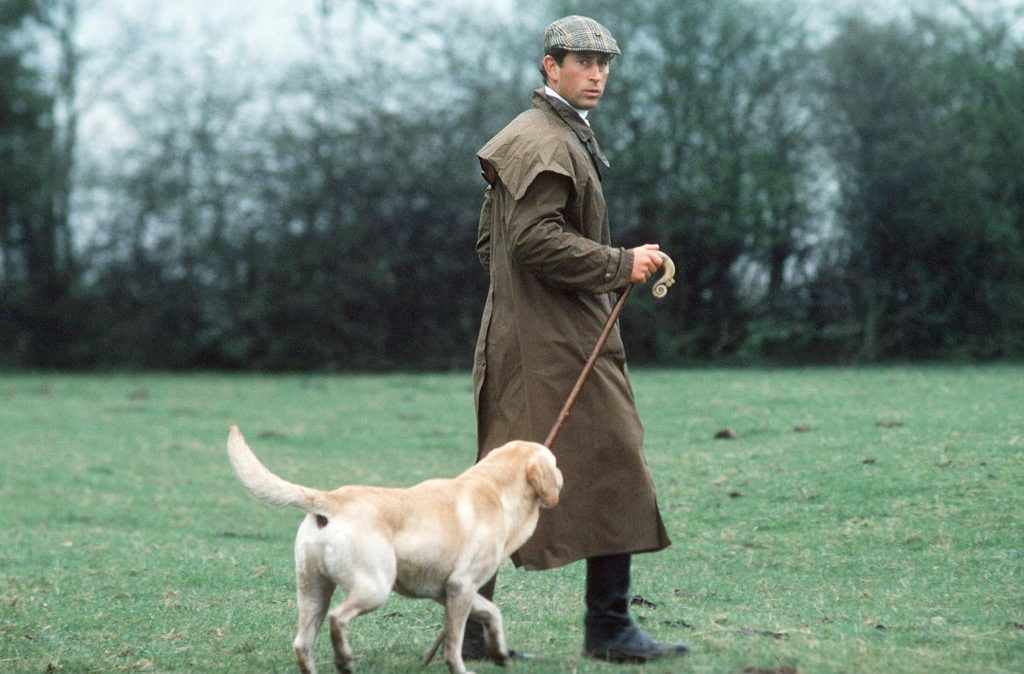
There is a certain English type you may have come across. They reach a point in their lives when, having made some money and grown bored of the city, they begin to pine for the country life. Swapping their London apartment for a big house with a pond in the garden (and suspiciously modern interiors), they acquire a gilet, a pair of Wellington boots and a working Labrador. They might still spend most of their time in a suit, taking video calls. But on the weekends, at least, they can devote themselves to country pursuits: charging around in a 4×4, firing a shotgun, and drinking five pints in a 17th century pub.
This breed of country-dweller came to mind on hearing what nature minister Jenny Riddell-Carpenter said at an event at the Labour Party Conference this week. She claimed that she “stays awake at night” worrying that the next election will be overshadowed by a “very far-Right nostalgic vision of Britain” and its countryside that “never really existed”. Describing this fictitious Albion, she conjured the image of “warm ale, a black Labrador by your feet, with symbolism of fox-hunting all around them”. It was a strange comment because that vision of Britain not only did exist in the past, but continues to exist in many places, and it’s not at all easy to discern what is “far-Right” about it.
Nonetheless, the Labour minister is right about a couple of things. There is, of course, more to the countryside than the postcard suggests. It is a strange, multi-faceted place, where ancient farming families and local working-class communities coexist uneasily with those who come in search of a lifestyle. These rural converts include not just the gun-toting stockbroker, but pensioners cultivating allotments, bourgeois-bohemian Lib Dem voters, and hipsters pursuing an arts and crafts idyll. There are those like me who are intrigued by all of these tendencies, and were just sick of London in any case.
Still, for all their differences, most of these groups cherish some aspect of the traditional, idealised country life. That is simply because it is a beautiful and pleasant thing to aspire to, and a wonderful achievement of British civilisation. It is no more nefarious than the “authentic” settings Brits seek out when they visit other countries. Of course it is partly based on a fantasy, but that is true of the lives people lead in cities too. Culture is, in many ways, the result of people continuously trying to turn fantasies into reality.
Riddell-Carpenter is also right to suggest that the countryside is becoming politicised. That is because certain organisations, such as the National Trust, have insisted that rural Britain needs to be more inviting for people from different backgrounds, and especially for ethnic minorities. Such schemes create resentment because they imply that it is the cultures which represent a traditional view of British life that have to be challenged and dismantled.
Are ale and Labradors really the symbols of a radically intolerant Britain? This isn’t my experience of a country pub. Such things are not for everyone — but then, nothing is. If anything is likely to turn the countryside into a patriotic cause for the Right, it is the insistence of certain progressives that anything which doesn’t belong to their own cultural world must be morally suspect. Leave us to our fantasies, and we’ll leave you to yours.
Wessie du Toit writes about culture, design and ideas. His Substack is The Pathos of Things.
 wessiedutoit