









21 July 2026 - 12:30pm
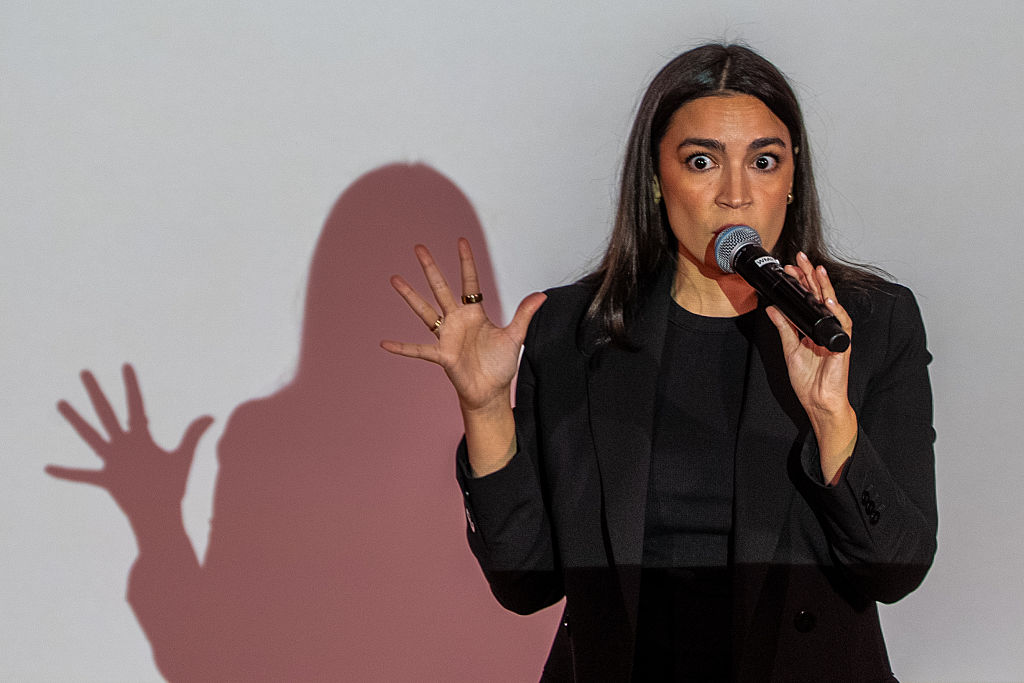
Over the weekend, Congresswoman Alexandria Ocasio-Cortez appeared at a Michigan campaign rally with Democratic Senate hopeful Abdul El-Sayed. “Is the answer to our problems to turn to the same playbook over and over again?” she asked during her speech. “A playbook that says in order to win we must be defenders of the same status quo that is drowning us and tells us the aspiration to change our government and the ambition to even try is foolish? No, it is not foolish, Michigan.”
To some old Democratic heads, this echoed the sentiments of a past party hopeful in the run-up to his successful bid for president: Barack Obama. In a 2007 speech, he said that “the same old Washington textbook campaigns just won’t do in this election,” adding: “That’s why I am asking you to stop settling for what the cynics say we have to accept.” In another recent stop on the campaign trail, this time for a Montana Democratic candidate, AOC’s Obama imitation was even less subtle as she told rally attendees that “our hope is the only thing that creates change, and that’s why so many people try to talk us out of it.”
On the one hand, AOC is tapping into something real. Even as Americans’ pride in their country and optimism for the future remain dismal, there is evidence that many of them prefer candidates who offer a hopeful vision for moving forward. Additionally, she is right that voters across the political spectrum are disillusioned with “politics as usual”. Obama successfully tapped into this theme during his 2008 campaign, helping him win many voters who weren’t traditionally Democrats — some of whom would go on to support other “outsider” candidates in 2016 such as Bernie Sanders and Donald Trump.
The former president’s campaign also made clear that Americans — even conservative-leaning white voters — are willing to support a younger, ethnic-minority candidate who hails from a deep-blue urban area if they like what they hear from them. The problem for AOC, however, is that some voters who may be sympathetic to her calls for “hope” and “change” are likely to take issue with her social and cultural views to a far greater degree than they did with Obama’s.
An inconvenient truth about politics which many Democrats still seem loath to acknowledge is that America remains a centre-right country, and the voters who will decide which party controls the White House — and the Senate — lean very much to the Right of the party’s base on cultural matters. Obama understood this, and made an effort to meet these voters where they were. During his first campaign, he opposed same-sex marriage, criticised George W. Bush for being too soft on illegal immigration, expressed support for the death penalty in some cases, and said he believed that black Americans should take more responsibility in their families and their own lives.
Though these views may have been out of step with the Democratic base, they signalled that Obama was willing to break from his party on some matters to align more with the national political centre. This likely helped him win states such as Indiana, Ohio, and Iowa, all of which have sizeable white, rural, and working-class populations — and all of which went on to vote for Trump three times in a row.
Meanwhile, AOC has taken a decidedly different approach. She has leaned into some of the party’s least popular cultural positions, including on transgender issues and defunding the police. Compounding this is the fact that political polarisation has increased substantially since 2008, while cultural attitudes correlate much more strongly with political preferences than they did two decades ago. So, though more conservative-leaning voters might in theory be open to an “outsider” candidate running to change the system, the culture gap could prove difficult to overcome.
If AOC hopes to follow in Obama’s footsteps, she’ll have to be comfortable not only distancing herself from those controversial views but recanting some of them entirely, to show sceptics that she is willing to stand up to her own base and not move too far from the views of the country as a whole. This was a warning that Kamala Harris failed to heed in 2024, and it cost her. Time will tell whether AOC can forge a different path.
