









13 July 2026 - 10:00am
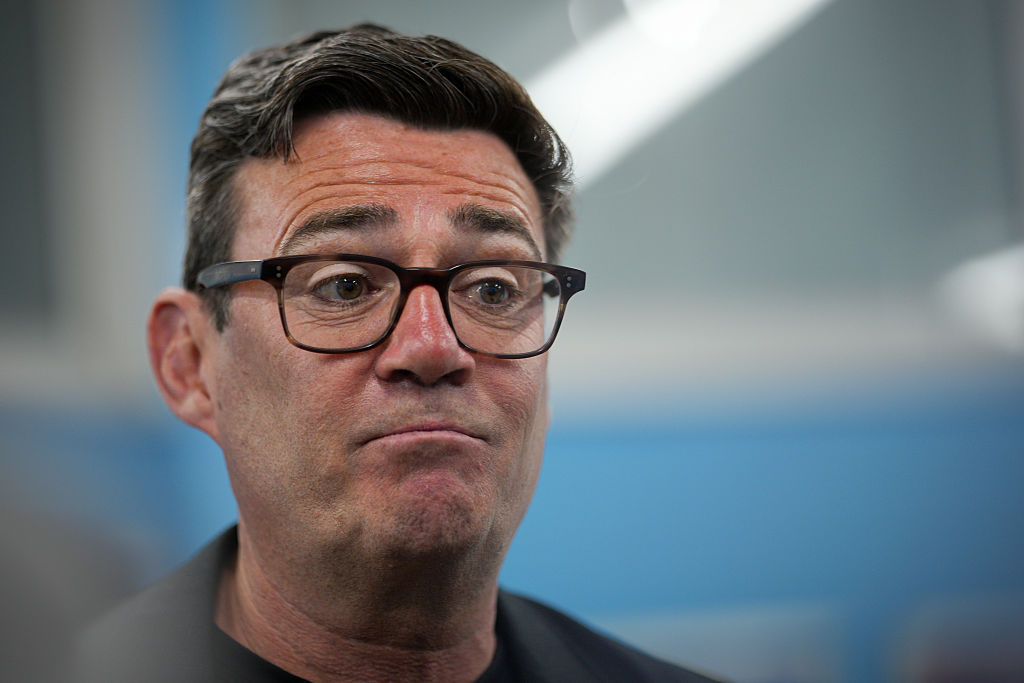
Andy Burnham will have barely got his furniture into No. 10 before he is forced into making a big decision. The Financial Times reports that Burnham is considering holding both a Budget and a spending review in October to set out his tax and spending priorities for the rest of this parliament. He must decide quickly because the Office for Budget Responsibility (OBR) requires a minimum of 10 weeks to prepare its economic forecasts. Spending reviews are even more complicated than the Budget, and the last one took six months to complete. This means in the first couple of weeks, he will have to begin a process that will probably decide the fate of his premiership.
Just as ancient Greek philosophers are divided between those who came before Socrates and those who came after him, the process of budgeting can be split between the pre-Truss and the post-Truss eras. For the post-Truss era, the defining feature of the budget process is earning credibility with the bond markets to avoid British debt spiralling out of control.
The lessons learnt from the Truss debacle are that if you want to have a radical tax plan, you must ensure that you have a spending review to go alongside it to reassure markets that the money will be spent wisely. Without a spending review, markets will assume the worst and that any new tax revenue will be spent on inflationary giveaways which would leave the country’s finances on what the OBR has called an “unsustainable long-term path”. Carrying out a spending review alongside a Budget is a good indication that Burnham is looking to do something bold on either tax rises or rumoured tax cuts.
The uncertainty around which direction Burnham will take in his first fiscal event speaks to the major risk facing the new government. The incoming prime minister has been able to present himself as the change candidate, despite being part of the incumbent party, because he has avoided giving a strong definition of his ideas. Beyond devolution and “doing things differently”, it’s hard to know what Burnham’s agenda is. As soon as the first Budget and spending review is published, the politically helpful cover of uncertainty will be gone.
If Burnham raises taxes to spend money on more public services, for example, how will he be able to present himself as any different to Keir Starmer or Rachel Reeves, who raised taxes at the fastest pace in the developed world? If he goes the other way, he will have less money to spend on public transport or council house building, disappointing his soft-Left coalition.
At a basic level, Burnham must decide what type of prime minister he is going to be. Will he be a cautious fixer who avoids big arguments and uses the rest of his term in office to make small, popular tweaks to the Starmer programme? Or will he try to be a bold reformer, raising (or cutting) taxes by tens of billions of pounds to end austerity and break the cost of living crisis? This latter approach will meet the demand of the moment for decisive action, but will create fissures within Labour and ideologically alienate some.
The fact that a spending review is being discussed shows that Burnham may have inadvertently forced himself into becoming a bold reformer. His insistence that he is going to bring hope back to politics and do things differently leaves him little option but to go big with his first Budget. In the high-debt, high-instability, post-Truss era, this can unravel quickly.
Andrew O’Brien is the former Director of Policy at the think tank Demos and currently Head of Secretariat of the Independent Commission on Neighbourhoods. He writes in a personal capacity.
 ADOBrien88