









23 September 2026 - 7:00am
The anticipation surrounding US-UK bilateral meetings shows how much diplomacy has changed under Trump. Meetings between the two countries, and the leaders’ joint press conferences, once sat at the easy end of the diplomatic spectrum. Despite their differences, they were usually a predictable exercise in reaffirming the “special relationship”. Now, Trump’s unpredictability and willingness to air disagreements in public mean even meetings with Britain’s closest ally make them far tenser affairs.
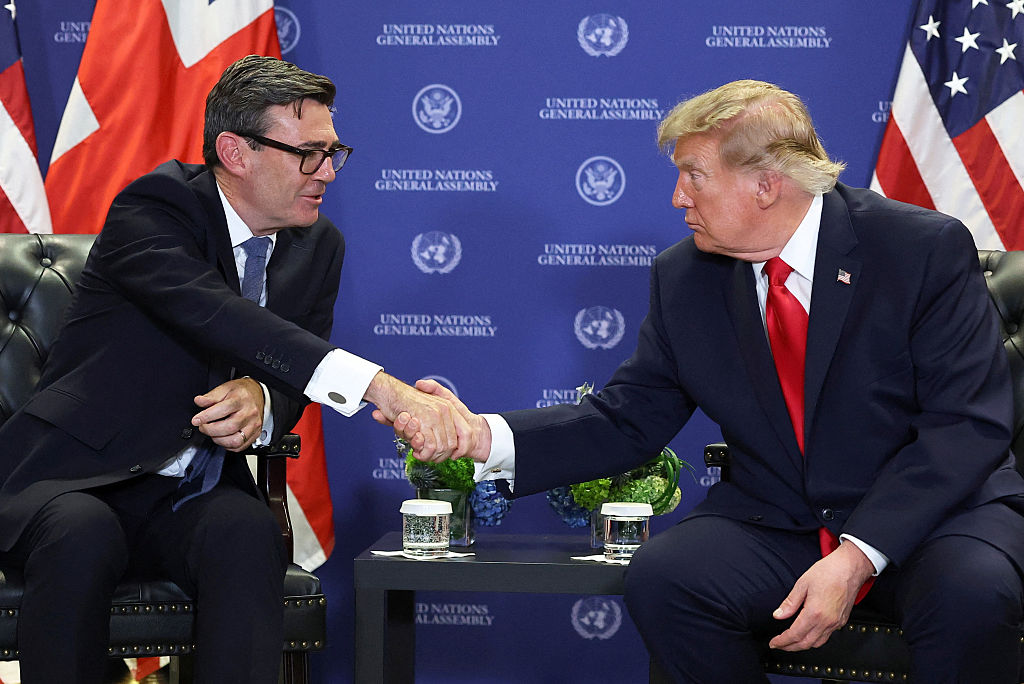
In his first meeting with Trump yesterday, Andy Burnham faced a predicament similar to Starmer’s. Seeming too close or too pally with the US leader risks hampering him at home. But offending Trump can easily have ramifications — with the President ready to impose tariffs or flex other economic muscles to punish countries he disagrees with.
Starmer had both won and lost in this balancing act. His early premiership was marked by a surprising rapport with Trump. The two men seemed to get on, and he thrilled the President at their first meeting by theatrically producing an invitation from the King for a state visit. By the end of his premiership, the relationship had soured. Trump disapproved of the government’s Chagos deal and was dismayed by a lack of support for his war on Iran. Starmer burned goodwill at home by cosying up to Trump, but the rapport it bought seemed to count for nothing.
That ill will does not seem to have carried over to Andy Burnham. In their joint presser yesterday, Trump acknowledged that things had soured with Starmer, but said the relationship was “more up [than down] now”. Questions that might have caused conflict were largely brushed away. The President seemed barely bothered about the UK’s recent sanctions on Israeli settlements, and while he attacked the Chagos deal once more, he seemed not to hold it against Burnham.
This praise doesn’t mean that Trump won’t turn against Burnham in the future. US actions continue to shape UK politics and run counter to Burnham’s domestic plans. The effects of the Iran war are likely to drive up prices, with oil high, global diesel supplies diminishing, and secondary costs pushing up inflation and the cost of living. Security in Europe and the war in Ukraine also draw attention and resources from Burnham’s domestic agenda. Equally, voters to Labour’s Left will continue to demand more from the government on Gaza and the Middle East. Each of these could sour the UK’s relationship with the US.
Dealing carefully with Trump suited Starmer. He was a cautious, middle-of-the-road politician, but Burnham is different. He’s made his name, and his comeback, by talking frankly and standing up to established interests. Those drawn to him because he presented himself as Manchester’s man against Westminster might hope he does the same for the UK on the world stage — indeed, he once said the President wouldn’t be welcome in his city. The warm exchanges yesterday looked more deferential than defiant, however.
The joint interview suggests this might be the way forward. Questions about Burnham’s record — especially on Gaza — indicated that Trump wasn’t particularly interested. The President has his focus on Iran, and Britain has already managed to stay out of it. Elsewhere, there is leeway for quiet acts of defiance that might get noticed in the UK but will, at best, stay on Trump’s periphery. It is perhaps the best bargain on offer.
Trump remains capricious and unpredictable. He also has more than two years left in his term. Picking fights now would be churlish and unlikely to help Britain at all. Trump tends to be swayed by a bit of charm, and Burnham had enough to make an impression. One good day is not enough to keep this president sweet, however, and the dilemma between battling and flattering Trump is likely to go on.
John Oxley is a corporate strategist and political commentator. His Substack is Joxley Writes.
 Mr_John_Oxley